Best Treatment for Mould on Walls: UK Expert Guide
Discover the most effective treatments for mould on walls in the UK, understanding health risks, professional remediation, and crucial prevention methods.
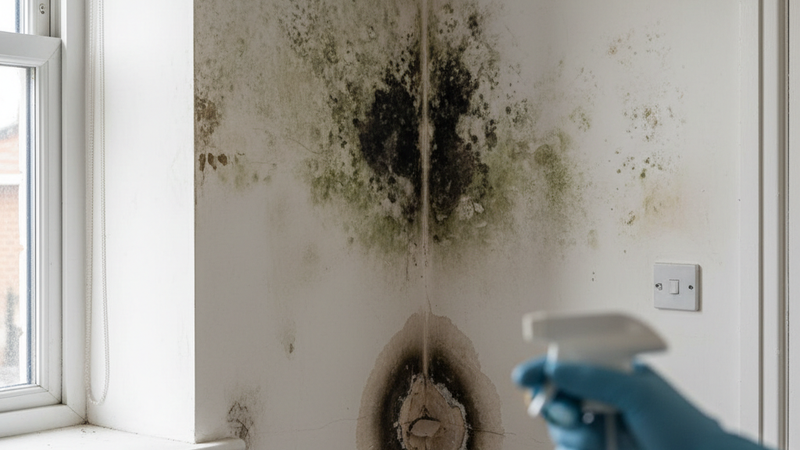
Mould on walls is a pervasive issue in many UK properties, not only marring aesthetics but also posing significant health risks and potentially damaging building fabrics. Understanding the most effective and safe treatment methods is crucial for maintaining a healthy living environment and preserving your property's integrity.
Understanding Mould on Walls: Causes and Types
Common Causes of Wall Mould
Mould thrives in damp, humid conditions, making certain areas of a property particularly susceptible. The primary causes of mould growth on walls in the UK often relate to excess moisture. This can stem from a variety of sources, both internal and external.
- Condensation: Often due to poor ventilation, especially in bathrooms, kitchens, and bedrooms, where warm, moist air meets cold surfaces.
- Leaks: Plumbing leaks from pipes, roofs, or internal appliances (e.g., washing machines, dishwashers) can saturate walls.
- Rising Damp: Moisture from the ground travels up through porous building materials if damp-proof courses are ineffective or absent.
- Penetrating Damp: Water ingress through external walls due to faulty guttering, cracks in rendering, or damaged brickwork.
- High Humidity: Persistent high indoor humidity levels, often exacerbated by drying laundry indoors or insufficient heating.
Identifying the root cause is paramount, as treating the mould without addressing the underlying moisture issue will only lead to its recurrence.
Identifying Different Types of Mould
While many types of mould can appear on walls, the common varieties in UK homes often include:
- Black Mould (e.g., Stachybotrys chartarum): Often falsely linked to 'toxic black mould' fears, but still requires careful handling. It typically appears slimy or powdery.
- Green/Grey Mould (e.g., Cladosporium, Aspergillus): Very common, often found in damp areas like bathrooms or around windows.
- White Mould: Can resemble efflorescence (salt deposits) on masonry, but if it has a fuzzy texture or a musty smell, it's likely mould.
Regardless of the colour or assumed type, all mould growth should be treated with caution, as its presence indicates an active moisture problem and potential health hazards.
Health & Safety Concerns with Wall Mould
Impact on Human Health
Exposure to mould, particularly its spores, volatile organic compounds (VOCs), and mycotoxins, can significantly impact human health. The NHS provides guidance confirming that mould can cause various health problems, especially for vulnerable groups.
- Respiratory Issues: Wheezing, coughing, shortness of breath, exacerbated asthma.
- Allergic Reactions: Sneezing, runny nose, red eyes, skin rash.
- Immunocompromised Individuals: More severe infections, especially in lungs.
- Children and Elderly: Heightened sensitivity and increased risk of respiratory illnesses.
Important point
Never ignore the smell of mould, even if you can't see it. This indicates hidden growth that still poses health risks and requires professional investigation.
Safety Precautions During DIY Mould Removal
For very small, superficial mould patches (less than one square metre), DIY removal might seem feasible. However, crucial safety precautions must be followed to minimise exposure and prevent further spread, in line with standard guidance on handling biological hazards.
- Personal Protective Equipment (PPE): Wear an FFP2 or FFP3 respirator (the UK equivalents of the US N95 and P100), gloves, and eye protection.
- Ventilation: Open windows and doors, but close internal doors to prevent spore spread to other rooms.
- Containment: If possible, contain the area with plastic sheeting, especially if using aggressive cleaning.
- Avoid Dry Scrubbing: This releases spores into the air. Dampen the mould first.
- Dispose of Materials: Seal contaminated cloths or brushes in plastic bags before disposal.
For anything beyond a small patch, or if you have underlying health conditions, professional assessment is strongly recommended.
UK Regulations and Professional Standards
IICRC S520 and UK Best Practice
The remediation of mould in the UK, particularly by professionals, should adhere to guidelines established internationally, such as the IICRC S520 Standard for Professional Mould Remediation. While not a statutory UK regulation, it represents the industry's best practice for effective and safe mould removal.
Key principles of IICRC S520 include:
- Source Identification and Correction: Fundamental to prevent recurrence.
- Containment: Preventing cross-contamination to unaffected areas.
- Personal Protective Equipment (PPE): Mandated for all remediation workers.
- Removal of Contaminated Materials: Not just cleaning, but often removal of porous materials.
- Cleaning & Drying: Thorough cleaning of non-porous surfaces and ensuring dryness.
- Post-Remediation Verification: Ensuring the area is visibly mould-free and dry.
Housing Health and Safety Rating System (HHSRS)
In the UK, mould and damp are significant concerns under the Housing Health and Safety Rating System (HHSRS). This system assesses potential hazards in residential properties, and mould and damp can be assessed as Category 1 or Category 2 hazards. Landlords have a legal obligation to address these issues. The recent focus surrounding Awaab's Law further underscores the legal imperative for landlords to tackle mould and damp proactively.
Local authorities use HHSRS to identify risks to health and safety, placing a duty on landlords to remedy significant defects. Ignoring mould can lead to enforcement action, fines, and potentially even legal penalties.
Professional Mould Remediation Process
Assessment and Containment
A professional mould remediation company begins with a thorough assessment to determine the extent of mould growth, identify the moisture source, and classify the category of work required. This often involves moisture metering, thermal imaging, and visual inspection. Once assessed, the affected area is typically contained using plastic sheeting and negative air pressure to prevent spores from spreading throughout the property.
- Site Inspection: Detailed examination to pinpoint mould type, extent, and moisture sources.
- Air Quality Testing: May be conducted to determine spore levels and identify hidden mould.
- Establishing Containment: Critical for larger outbreaks to isolate the workspace.
Mould Removal and Structural Drying
This is the core of the remediation process. Porous materials heavily contaminated with mould (e.g., plasterboard, insulation, carpets) are typically removed and safely disposed of. Non-porous surfaces (e.g., glass, metal, some plastics) can often be thoroughly cleaned using specialised antimicrobial agents. HEPA vacuuming is used to capture airborne spores.
Crucially, addressing the moisture source is followed by comprehensive drying of the affected structures. This involves industrial dehumidifiers and air movers to bring moisture content down to safe, ambient levels, preventing recurrence. Without proper drying, any treatment is temporary.
Post-Remediation Verification
After removal and drying, a post-remediation verification (PRV) is conducted to ensure the area is truly mould-free. This can involve visual inspection, moisture readings, and, in some cases, post-remediation air sampling to confirm spore levels have returned to normal. Only once verification is complete and the moisture source is permanently fixed can repairs and redecoration commence.
Prevention and Maintenance Strategies
Controlling Humidity and Ventilation
The most effective long-term strategy for preventing mould on walls is meticulous moisture control. This primarily involves managing indoor humidity and ensuring adequate ventilation.
- Ventilate Regularly: Open windows daily, especially after showering or cooking. Use extractor fans in bathrooms and kitchens.
- Maintain Consistent Heating: Keep your home evenly heated to prevent cold spots where condensation can form.
- Use Dehumidifiers: In particularly damp rooms or during humid weather, a dehumidifier can help keep indoor humidity below 60%.
- Avoid Drying Laundry Indoors: If unavoidable, use a well-ventilated space or a tumble dryer vented to the outside.
Regular Property Maintenance
Proactive property maintenance is vital in preventing leaks and water ingress that contribute to mould growth.
- Check Gutters and Downpipes: Ensure they are clear and in good repair to direct rainwater away from walls.
- Inspect Roofs and External Walls: Look for cracked tiles, damaged render, or cracks that could allow water to penetrate.
- Address Leaks Promptly: Fix dripping taps, pipes, or overflowing toilets immediately.
- Ensure Proper Drainage: Make sure ground levels slope away from the property to prevent water pooling against foundations.
When to Call Professionals for Mould Treatment
Signs Indicating Professional Intervention
While small, superficial mould spots can often be managed by homeowners, certain indicators strongly suggest that professional intervention is necessary. Attempting to manage these situations without expertise and specialist equipment can be ineffective or even hazardous.
- Large Areas of Growth: If mould covers more than one square metre (approximately 3ft x 3ft).
- Hidden Mould: If you smell mould but cannot see it, suggesting growth behind walls, under flooring, or in ceiling voids.
- Recurrent Mould: Despite repeated cleaning, mould keeps returning, indicating an unaddressed moisture source or incorrect removal.
- Health Concerns: If occupants are experiencing persistent mould-related health issues.
- Sewage or Hazardous Contamination: Mould resulting from sewage backups or other contaminated water sources.
- Compromised Building Structure: If the mould has affected structural timbers or deep within wall cavities.
Expert Insight
Professionals don't just clean; they remediate. This means thoroughly addressing the source, containing the spread, safely removing the contamination, and verifying the successful cleanup.
Benefits of Professional Mould Remediation
Engaging certified mould specialists offers numerous advantages over DIY attempts, ensuring a safe, effective, and long-lasting solution.
- Expertise and Equipment: Professionals have the training, experience, and specialised tools (e.g., HEPA vacuums, air scrubbers, professional-grade dehumidifiers) to handle mould effectively.
- Source Identification: They can accurately diagnose the underlying moisture problem, preventing future mould growth.
- Safe Containment: Preventing the spread of mould spores during removal.
- Comprehensive Removal: Ensuring all visible and hidden mould is eradicated, not just bleached away.
- Reduced Health Risks: Minimising exposure for occupants during the remediation process.
- Post-Remediation Verification: Offering peace of mind by confirming the success of the cleanup.
- Insurance Claims: Providing documentation and support for potential insurance claims related to water damage and mould.
For more insights into mould, explore our blog or get an estimate using our cost calculator.