Effective Black Mould Solutions for UK Homes & Businesses
Discover comprehensive black mould solutions for your UK property. Learn about professional removal, health risks, UK regulations, and vital prevention strategies.
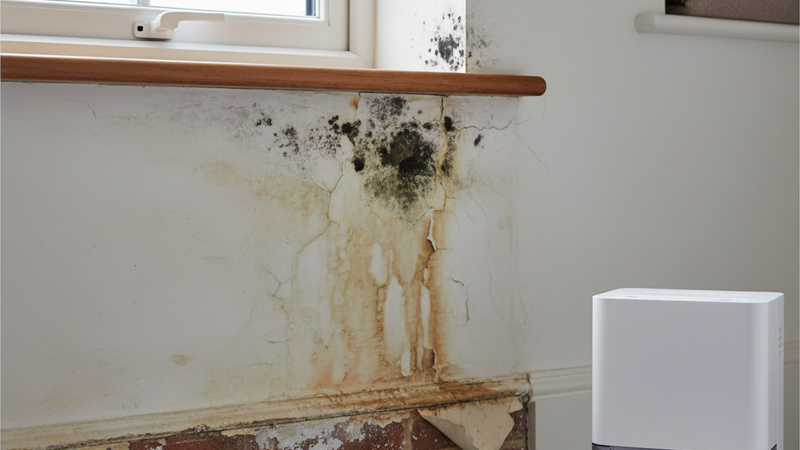
Black mould, often identified as Stachybotrys chartarum, is a pervasive issue in many UK properties, thriving in damp and humid environments. Understanding its dangers and implementing effective mitigation strategies are crucial for maintaining a healthy living and working space. This guide provides comprehensive black mould solutions, adhering to industry best practices and UK-specific considerations.
Understanding Black Mould and Its Impact
Black mould is more than just an unsightly stain; it's a living organism that can cause significant damage to your property and pose serious health risks. Recognising its presence and understanding its growth factors are the first steps toward effective remediation.
What is Black Mould and Where Does It Grow?
Black mould refers to certain types of mould that have a dark, often slimy appearance. While many types of mould can be black, Stachybotrys chartarum is specifically known for its dark colour and its potential to produce mycotoxins. It typically thrives in areas with consistent moisture, such as bathrooms, kitchens, basements, and areas affected by leaks or condensation. Materials like drywall, wood, carpet, and insulation are prime feeding grounds for mould when water damaged.
Common Causes of Mould Growth in UK Properties
In the UK, common culprits for mould growth include high humidity, poor ventilation, leaks from plumbing or roofs, rising damp, and condensation. The mild, damp climate often exacerbates these issues, making homes particularly susceptible. Insufficient heating combined with poor insulation can also lead to cold surfaces where condensation readily forms, providing an ideal breeding ground for mould spores.
Important point
Addressing the underlying moisture problem is paramount. Simply cleaning the visible mould without resolving the moisture source will only lead to its recurrence.
Health & Safety Concerns Posed by Black Mould
Exposure to mould, particularly black mould, can have a range of adverse health effects. It's crucial for property owners and occupants to be aware of these risks to ensure timely and appropriate action is taken.
Potential Health Effects of Mould Exposure
Mould spores, when inhaled or touched, can trigger allergic reactions, asthma attacks, and respiratory problems. Symptoms can include coughing, sneezing, nasal congestion, eye irritation, skin rashes, and wheezing. For individuals with compromised immune systems, pre-existing respiratory conditions, or young children, the risks are significantly higher. The NHS provides more details on mould and damp related health issues.
Vulnerable Groups and Exposure Risks
Elderly individuals, infants, pregnant women, and those with chronic lung diseases (like COPD or asthma) or weakened immune systems (e.g., due to chemotherapy or HIV) are particularly vulnerable to mould-related health problems. Prolonged exposure can lead to more severe and persistent symptoms, making immediate action even more critical in households with these individuals.
The Health and Safety Executive (HSE) also highlights allergens, including mould, as potential workplace hazards, underscoring the broad impact of mould.
UK Regulations and Industry Standards for Mould Remediation
Mould remediation in the UK is governed by several regulations and best practice guidelines designed to protect both occupants and remediation professionals. Adherence to these standards ensures effective and safe mould removal.
IICRC S520 Guidelines and Their Importance
The Institute of Inspection, Cleaning and Restoration Certification (IICRC) S520 Standard for Professional Mould Remediation is the gold standard in the industry. It outlines comprehensive procedures for identifying, evaluating, and remediating mould contamination in buildings. This includes detailed protocols for containment, air filtration, moisture control, removal of contaminated materials, and post-remediation verification. Adhering to S520 ensures that mould is not just removed but that the underlying issues are addressed and cross-contamination is prevented.
Housing Health and Safety Rating System (HHSRS) & Awaab's Law
In the UK, the Housing Health and Safety Rating System (HHSRS) is a risk assessment tool used by local authorities to identify and assess hazards in residential properties, including damp and mould. Under HHSRS, severe damp and mould can be classified as a Category 1 hazard, requiring landlords to take immediate action. Furthermore, Awaab's Law, in force in England since 27 October 2025, strengthens tenants' rights and imposes stricter requirements on social landlords to address hazards like mould in their properties promptly.
Professional Black Mould Remediation Process
When mould contamination is significant (typically over 1 square meter or affecting vulnerable individuals), professional remediation is recommended. A structured approach ensures thorough removal and prevents future outbreaks.
Initial Assessment and Testing
A professional assessment begins with a thorough inspection to identify the extent of the mould growth, the moisture source, and the type of mould. This may involve using moisture meters, thermal imaging cameras, and air sampling or surface testing to accurately determine the scope of contamination. This initial phase is critical for developing a tailored remediation plan.
Containment, Removal, and Cleaning Procedures
The remediation process typically involves:
- Containment: Setting up physical barriers and negative air pressure to prevent mould spores from spreading to other areas during removal.
- Moisture Source Repair: Fixing any leaks, improving ventilation, or addressing underlying damp issues.
- Removal of Contaminated Materials: Non-porous materials can often be cleaned, but porous materials (e.g., drywall, insulation, carpet) often need to be carefully removed and disposed of safely.
- HEPA Vacuuming and Cleaning: All affected surfaces are HEPA vacuumed and scrubbed with appropriate antimicrobial solutions to remove remaining spores and residue.
- Air Filtration: Using HEPA air scrubbers to clean the air of airborne mould spores throughout the process.
Post-Remediation Verification (PRV)
Following remediation, a PRV is often conducted by an independent third party. This involves a visual inspection and sometimes air or surface sampling to confirm that the mould has been successfully removed and the indoor environment has returned to normal fungal ecology. This step provides assurance that the property is safe for re-occupancy.
Prevention and Long-Term Maintenance
Preventing mould growth is far more cost-effective and healthier than dealing with remediation. Implementing simple practices can significantly reduce the risk of mould recurrence.
Controlling Humidity and Improving Ventilation
Maintaining indoor humidity levels between 30% and 50% is ideal. Use dehumidifiers in damp areas like basements or during high-humidity periods. Ensure proper ventilation in bathrooms and kitchens by using extractor fans and opening windows, especially during and after showering, cooking, or drying clothes indoors. Regularly check and clean ventilation systems.
Addressing Moisture Issues Promptly
Fix leaks immediately, whether from plumbing, roof, or foundation. Ensure gutters and downspouts are clear and direct water away from the property. Allow wet materials to dry completely within 24-48 hours to prevent mould growth. Regularly inspect for signs of dampness, such as peeling paint, musty odours, or water stains.
Routine Cleaning and Monitoring
Regularly clean and dry areas prone to moisture buildup. Use household cleaning products to wipe down visible moisture or small mould spots. Monitor your property for signs of mould, particularly in hidden areas like behind furniture or under sinks. Early detection can prevent extensive and costly issues. For more tips on maintaining a healthy home, you can refer to resources from UK universities on mould prevention.
When to Call Professional Mould Remediation Specialists
While small patches of mould might be manageable with DIY solutions, certain situations absolutely warrant professional intervention to ensure safety and effectiveness.
Size and Type of Mould Contamination
If the mould covers an area larger than 1 square metre (approximately 3x3 feet), or if you suspect it's hidden behind walls or under flooring, it's time to call in the experts. Extensive contamination requires specialist equipment, protective gear, and knowledge of containment procedures to prevent spreading spores. Furthermore, if you suspect the mould is black mould (Stachybotrys chartarum) due to its slimy, dark appearance and persistent musty odours, professional assessment is highly recommended due to potential health risks.
Health Concerns and Hidden Mould
If anyone in the household is experiencing mould-related health symptoms (e.g., persistent respiratory issues, allergic reactions), or if you detect a strong, musty odour without visible mould (indicating hidden growth), professional help is essential. Hidden mould can be more dangerous as it goes unnoticed, allowing spores to proliferate and impact indoor air quality over time. A professional mould inspection can uncover these unseen threats.
Important point
Never attempt to clean large areas of black mould yourself, especially if you have pre-existing health conditions. Disturbance can release millions of spores into the air.
Benefits of Professional Expertise and Equipment
Professional mould remediation specialists possess the training, certifications (like IICRC), and specialised equipment needed for safe and effective mould removal. They use industrial-grade dehumidifiers, HEPA air scrubbers, containment barriers, and personal protective equipment (PPE) to ensure the job is done correctly. Their expertise ensures not only the removal of visible mould but also the identification and rectification of the underlying moisture problem, preventing recurrence. For information on potential costs, consider using our mould removal cost calculator, and explore our wider blog for more insights into mould management.