Building Moulds UK: Identification, Health Risks & Remediation
Discover comprehensive guidance on building moulds in the UK, covering identification, health risks, professional remediation, and effective prevention strategies.
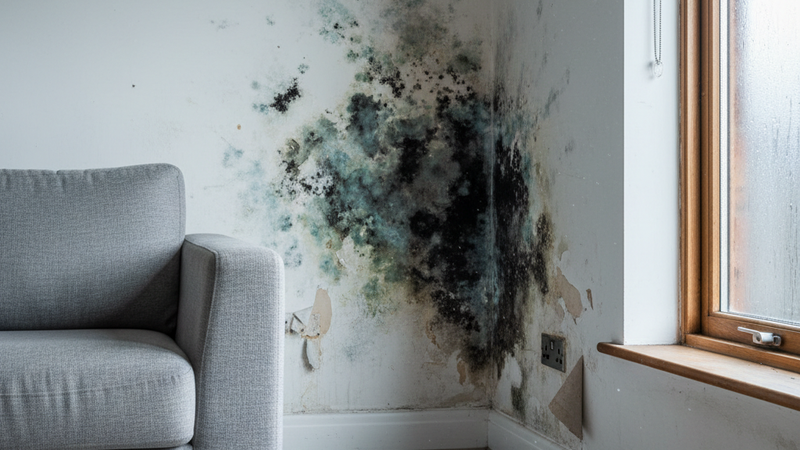
Building moulds are a pervasive and often hidden problem in properties across the UK, posing significant risks to both structural integrity and occupant health. Understanding their causes, impacts, and the correct remediation protocols is crucial for property owners and tenants alike. This comprehensive guide will delve into all aspects of building moulds, from identification to prevention, aligning with industry best practices like the IICRC S520 standard.
Understanding Building Moulds in UK Properties
What is Mould and How Does It Grow?
Moulds are microscopic fungi that are naturally present in our environment, both indoors and outdoors. They reproduce by producing tiny spores that travel through the air. When these spores land on a damp surface, they can begin to grow and colonise, feeding on organic materials commonly found in buildings such as wood, plasterboard, insulation, and fabrics. For mould to thrive, it requires four key elements: a food source, appropriate temperatures (typically room temperature), oxygen, and critically, moisture.
Important point
Mould growth is almost always an indicator of an underlying moisture problem. Addressing the mould without resolving the moisture source will lead to recurrence.
Common Types and Appearance
While there are thousands of mould species, only a few are commonly found in buildings. They can vary significantly in appearance, from fuzzy, cotton-like growths to slimy, leathery patches. Colours range from white, grey, black, brown, green, and even pink or orange. Black mould, often mistakenly generalised as 'toxic black mould' (Stachybotrys chartarum), can be alarming, but many common moulds appear black. Professional testing is usually required to identify specific species.
- Cladosporium: Common indoors, often appearing black or dark green on painted surfaces, insulation, and fabrics.
- Aspergillus/Penicillium: Frequently found on damp building materials, often appearing white, green, or blue-green.
- Stachybotrys chartarum: The infamous 'black mould', typically dark green or black and slimy when wet, often found on materials with high cellulose content and prolonged wetness.
Causes of Mould Growth in UK Homes
The damp UK climate and typical building practices contribute to various moisture issues. The primary culprits include:
- Condensation: Poor ventilation combined with high humidity from everyday activities (cooking, showering, drying clothes indoors) leads to moisture settling on cold surfaces.
- Leaks: Roof leaks, plumbing leaks, leaking windows, and overflowing gutters can introduce significant moisture.
- Rising Damp: Moisture drawn up from the ground through capillary action in walls, often due to a faulty or absent damp-proof course.
- Penetrating Damp: Moisture entering through external walls from rain, usually due to defects like cracked rendering, faulty pointing, or blocked drains.
- Flooding: One-off events like burst pipes or severe weather can cause widespread water damage, leading to rapid mould growth if not dried thoroughly.
Health and Safety Concerns Related to Building Moulds
Impact on Human Health
Exposure to mould spores, fragments, and metabolites (VOCs, mycotoxins) can trigger a range of health problems, particularly for sensitive individuals. The NHS provides guidance on the health effects of damp and mould, noting that it can affect the respiratory system, immune system, and skin.
- Respiratory Issues: Coughing, wheezing, shortness of breath, asthma attacks (exacerbated), nasal congestion, sore throat.
- Allergic Reactions: Rashes, itchy eyes, sneezing, runny nose.
- Infections in vulnerable people: For individuals with compromised immune systems, mould exposure can lead to more severe infections.
- Neurological Symptoms: Though less common and often linked to prolonged, heavy exposure to specific mycotoxins, some individuals report headaches, fatigue, and difficulty concentrating.
Vulnerable Groups
Certain populations are more susceptible to the adverse health effects of mould exposure:
- Infants and Children: Their developing respiratory and immune systems are more vulnerable.
- Elderly Individuals: Often have weaker immune systems or pre-existing respiratory conditions.
- Individuals with Asthma or Allergies: Mould can trigger or worsen symptoms.
- People with Compromised Immune Systems: Such as those undergoing chemotherapy, HIV/AIDS patients, or organ transplant recipients.
Workplace and Occupational Health
In workplace settings, mould can also pose significant risks. The Health and Safety Executive (HSE) provides guidance for employers on managing risks from mould, especially in environments where organic materials are handled or damp conditions are prevalent. Employers have a duty of care to ensure a safe working environment, which includes addressing mould issues promptly and effectively.
UK Regulations and Industry Standards for Mould Remediation
IICRC S520: The Gold Standard
In the UK, while there isn't a single government-mandated standard specifically for mould remediation, the industry widely adopts the IICRC S520 Standard for Professional Mould Remediation. This comprehensive document outlines the principles and procedures for assessing and remediating microbial contamination in structures. It covers critical aspects such as containment, air filtration, safe removal techniques, and post-remediation verification.
- Assessment: Identifying the extent of contamination and moisture source.
- Containment: Preventing the spread of mould spores during remediation.
- Air Filtration: Using HEPA filters to clean the air.
- Removal: Safely removing contaminated materials and cleaning salvageable items.
- Post-Remediation Verification: Ensuring the property is clean and dry.
Housing Health and Safety Rating System (HHSRS)
For residential properties, the Housing Health and Safety Rating System (HHSRS) is a risk-assessment tool used by local authorities to assess 29 housing hazards, including damp and mould growth. It doesn't set specific mould levels but evaluates the risk to occupants' health. Properties with significant damp and mould can be deemed to have Category 1 hazards, requiring landlords to take remedial action.
New Legislation: Awaab's Law
Following the tragic death of Awaab Ishak, 'Awaab's Law' was introduced under the Social Housing (Regulation) Act 2023 and has applied in England since 27 October 2025. It sets strict deadlines for social landlords to address hazards like mould and damp, ensuring prompt action and improved tenant safety. Read more about its impact on our Awaab's Law blog.
Landlord and Tenant Responsibilities
In rented properties, landlords generally have a legal responsibility to ensure the property is fit for habitation and free from serious hazards like significant damp and mould. Tenants also have a responsibility to report issues promptly and take reasonable steps to prevent condensation (e.g., adequate ventilation). Clear communication and understanding of responsibilities are key.
Professional Mould Remediation Process
Assessment and Source Identification
The first critical step for any professional mould remediation is a thorough assessment. This involves identifying the species of mould (if necessary), determining the extent of contamination, and crucially, pinpointing the original moisture source. Without addressing the moisture problem, mould will inevitably return. Professionals use advanced tools like moisture meters, thermal imaging, and hygrometers to accurately diagnose the issue.
Containment, Removal, and Cleaning
Following IICRC S520 guidelines, professional remediation involves:
- Containment: Setting up physical barriers (e.g., plastic sheeting) and negative air pressure to prevent mould spores from spreading to uncontaminated areas during the removal process.
- Air Filtration: Using HEPA (High-Efficiency Particulate Air) filtered air scrubbers to capture airborne mould spores.
- Removal of Contaminated Materials: Non-salvageable materials (e.g., porous plasterboard, insulation) are carefully bagged and removed following strict disposal protocols.
- Cleaning and Disinfection: Surfaces are HEPA vacuumed, cleaned with professional-grade biocides/fungicides, and scrubbed to remove all visible mould. Non-porous items can often be salvaged.
- Drying: Ensuring all affected areas are thoroughly dried using dehumidifiers and air movers to prevent future growth.
Post-Remediation Verification and Clearance Testing
Once remediation is complete, an independent third-party hygienist may be brought in to conduct clearance testing. This typically involves visual inspection, moisture readings, and air or surface sampling to verify that the mould has been effectively removed and spore counts have returned to normal baseline levels, ensuring the property is safe for re-occupancy. This crucial step provides peace of mind and documented proof of successful remediation.
Prevention and Maintenance Strategies
Controlling Humidity and Ventilation
Managing indoor humidity is paramount to preventing mould. Aim for indoor humidity levels between 30% and 50%:
- Ventilation: Open windows for short periods daily, especially after showering, cooking, or drying clothes. Use extractor fans in bathrooms and kitchens.
- Dehumidifiers: Employ dehumidifiers in areas prone to dampness, especially during colder months.
- Heating: Maintain a consistent, moderate temperature throughout the property to avoid cold spots where condensation can form.
Addressing Moisture Sources Promptly
Regular inspections and swift action are vital:
- Fix Leaks: Immediately repair any plumbing, roof, or window leaks.
- Maintain Gutters and Drains: Keep gutters clear to prevent rainwater overflow that can lead to penetrating damp.
- Check for Rising Damp: Ensure your property's damp-proof course is intact and functional.
- Dry Thoroughly: After any water incident (e.g., spill, minor leak), ensure the area is completely dried within 24-48 hours.
Good Housekeeping and Building Maintenance
General upkeep plays a significant role:
- Clean Regularly: Wipe down surfaces, especially in bathrooms and kitchens, to prevent mould spores from settling.
- Avoid Clutter: Keep rooms tidy to allow for better air circulation.
- Proper Insulation: Improve insulation to reduce cold spots and condensation.
- Exterior Maintenance: Ensure render, pointing, and roofing are in good repair to prevent water ingress.
When to Call Professional Mould Remediation Specialists
Indications for Professional Intervention
While small patches of surface mould can often be managed by property owners using appropriate PPE, certain situations necessitate professional expertise:
- Large Areas: Mould covering an area greater than 1 square meter (roughly 10 square feet).
- Hidden Mould: Suspected mould behind walls, under flooring, or in HVAC systems.
- Persistent Odour: A strong, musty smell indicates active mould growth, even if not visible.
- Health Concerns: If occupants are experiencing health issues linked to mould exposure.
- Water Damage History: Following significant water events like floods or burst pipes, which often lead to hidden mould.
- Recurring Mould: If mould keeps returning despite your best efforts at cleaning.
Benefits of Professional Remediation
Engaging certified professionals ensures:
- Thorough Contamination Removal: Adherence to IICRC S520 ensures complete eradication, not just surface cleaning.
- Source Identification and Rectification: Experts locate and address the root cause of moisture, preventing recurrence.
- Safety: Professionals use appropriate PPE and containment to protect occupants and workers from spore exposure.
- Advanced Equipment: Utilisation of industrial-grade dehumidifiers, air scrubbers, and specialised cleaning agents.
- Post-Remediation Verification: Ensuring the environment is safe and mould-free.
- Insurance Claims: Professional reports are often essential for insurance claims.
Choosing a Qualified UK Mould Remediation Company
When selecting a company, look for:
- IICRC Certification: This demonstrates adherence to international best practices.
- Experience: A proven track record in mould remediation, particularly for properties similar to yours.
- Comprehensive Service: From assessment and source identification to remediation and post-clearance testing.
- Insurance: Ensure they are fully insured for remediation work.
- References: Ask for testimonials or case studies.
Understanding and addressing building moulds effectively is vital for maintaining a healthy and safe living or working environment. From identifying the problem and understanding its health implications to implementing professional remediation and robust prevention strategies, knowledge is your best defence. If you suspect a significant mould issue, do not hesitate to consult with certified mould remediation specialists. For more insights into property issues, explore our blog or get an estimate using our cost calculator.