Cost of Mould Removal UK: What to Expect & Why Professional Help?
Understand the comprehensive costs of professional mould removal in the UK. Learn about factors influencing pricing, health implications, and remediation standards.
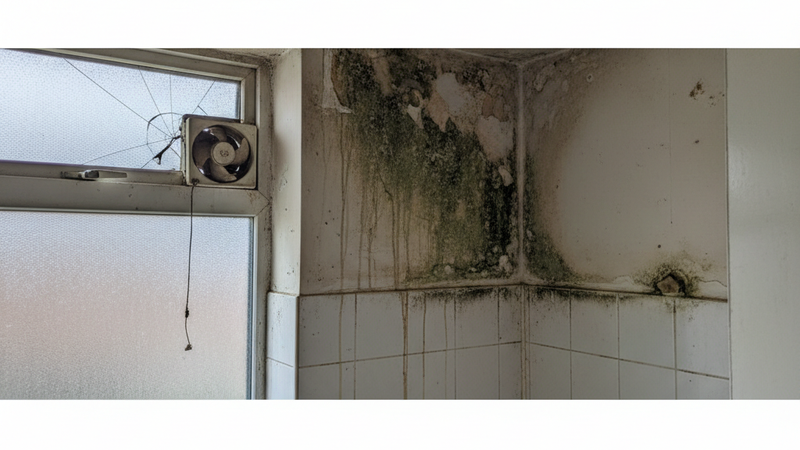
Mould in your home or workplace isn't just an unsightly nuisance; it's a serious health hazard that requires prompt and professional attention. Understanding the cost of mould removal in the UK is crucial for property owners, as the price can vary significantly based on the severity of the infestation, the type of mould, and the extent of damage. This article delves into what influences these costs, the importance of professional remediation, and how to safeguard your property effectively.
Understanding Mould Infestations and Remediation Costs
Mould removal isn't a one-size-fits-all service. The ultimate price tag is a complex calculation of various elements, from the initial assessment to post-remediation verification. This section breaks down the core factors that contribute to the overall cost.
Factors Influencing Mould Removal Costs
Several key variables dictate the final price you'll pay for professional mould remediation. Being aware of these can help you understand quotes better and prepare financially.
- Size and Location of Infestation: Small, isolated patches of superficial mould are significantly cheaper to remove than extensive, deeply penetrated colonies in hard-to-reach areas like wall cavities or crawl spaces. The overall square footage affected plays a major role.
- Type of Mould: While all mould should be treated seriously, some types, like Stachybotrys chartarum (black mould), often require more intensive containment and remediation protocols due to their potential toxicity, which can increase costs.
- Severity of Damage: If mould has compromised structural elements, insulation, or substantial areas of plasterboard, these materials will need to be safely removed and replaced, adding significantly to the labour and material costs.
- Containment Requirements: Professional remediation often involves setting up containment barriers (plastic sheeting, negative air pressure) to prevent mould spores from spreading to uncontaminated areas during the removal process, a necessary but costly step.
- Required Equipment: Specialists use high-grade HEPA vacuums, air scrubbers, dehumidifiers, moisture meters, and personal protective equipment (PPE), all of which contribute to the operational overhead.
Typical Cost Ranges in the UK
While quotes are always site-specific, here's a general guide to what you might expect for mould removal in the UK. These figures are estimates and can vary based on your location and the complexity of the job.
- Minor Mould (e.g., small bathroom patch): £100 - £300. This might involve cleaning and treating a small, superficial area, often a DIY task if caught early, but professional intervention is safer.
- Medium Mould (e.g., one wall, ceiling in a room): £500 - £2,000. This typically involves more extensive cleaning, possible material removal (e.g., plasterboard), and robust containment.
- Severe Mould (e.g., multiple rooms, hidden mould, structural damage): £2,000 - £10,000+. This level of remediation often requires extensive demolition, structural drying, and reconstruction, making it a major undertaking.
- Mould Survey/Assessment: £150 - £500. A professional survey identifies the source of moisture, type of mould, and extent of the problem, providing a detailed report and remediation plan. Some companies may waive this fee if they perform the subsequent remediation.
Important point
Never attempt to remediate large mould infestations yourself, especially if you suspect black mould or have underlying health conditions. DIY attempts can spread spores, worsen the problem, and expose you to significant health risks.
Health and Safety Concerns of Mould
Mould is not merely an aesthetic issue; its presence poses considerable health risks, particularly for vulnerable individuals. Understanding these dangers underscores the importance of thorough and professional remediation.
Impact on Human Health
Exposure to mould spores can trigger a range of health problems. The NHS provides guidance on the health effects of mould, which can include:
- Respiratory Issues: Coughing, wheezing, shortness of breath, and exacerbation of asthma.
- Allergic Reactions: Sneezing, runny nose, red eyes, skin rash.
- Infections in vulnerable people: Particularly in vulnerable groups like the elderly, infants, and those with pre-existing conditions.
- Other Symptoms: Headaches, fatigue, and for some sensitive individuals, more severe neurological symptoms, though evidence for this varies.
Workplace and Occupant Safety
For commercial properties or rented accommodations, the health implications extend to legal and regulatory responsibilities. The Health and Safety Executive (HSE) provides guidelines for employers on maintaining a safe working environment, which includes managing indoor air quality and mould prevention. Landlords, too, have a legal obligation to provide a safe and healthy environment under the Homes (Fitness for Human Habitation) Act 2018.
Neglecting mould remediation can lead to significant financial penalties, legal challenges, and damage to reputation, in addition to the human cost. Proactive mould management is a sound investment in both health and property value.
UK Regulations and Industry Standards for Mould Remediation
In the UK, mould remediation is guided by a mix of health regulations and industry best practices. Adherence to these standards ensures safe and effective removal, protecting both occupants and property.
IICRC S520 and UK Compliance
While there isn't a single, dedicated UK government standard specifically for mould remediation, the industry widely adopts international guidelines. The IICRC S520 Standard and Reference Guide for Professional Mould Remediation is the most respected and comprehensive framework globally. Professional UK mould remediation companies often follow the principles outlined in the IICRC S520, which covers:
- Initial assessment and inspection.
- Containment strategies to prevent cross-contamination.
- Safe removal techniques.
- Proper cleaning and disinfection protocols.
- Drying procedures and moisture control.
- Post-remediation verification and clearance testing.
Choosing a company that adheres to IICRC S520 principles ensures a systematic and scientifically backed approach to mould removal.
Housing Health and Safety Rating System (HHSRS)
For residential properties, the Housing Health and Safety Rating System (HHSRS), implemented by local authorities, assesses potential hazards in homes, including damp and mould. Under HHSRS, severe damp and mould can be classified as a Category 1 hazard, requiring landlords to take immediate action to mitigate the risk. This system empowers tenants and ensures landlords maintain habitable conditions. The recent introduction of Awaab's Law further strengthens tenants' rights, holding landlords accountable for addressing serious hazards like damp and mould in a timely manner.
The Professional Mould Remediation Process
Understanding the step-by-step process of professional mould remediation can demystify the service and highlight why specialist intervention is often necessary and cost-effective in the long run.
Assessment and Containment
The process begins with a thorough inspection to identify the mould's source, extent, and moisture origin. Advanced tools like thermal imaging cameras and moisture meters are used. Once the scope is determined, professional remediators establish containment zones using physical barriers and negative air pressure to prevent spores from spreading to unaffected areas of the property. This critical step safeguards both occupants and the property from further contamination during the removal process.
Removal, Cleaning, and Drying
Contaminated materials that cannot be salvaged (e.g., porous items like plasterboard, insulation, carpets) are carefully removed and disposed of following strict protocols. Non-porous surfaces are then meticulously cleaned using specialized antimicrobial agents. The underlying moisture source is addressed and repaired. Crucially, the affected area is thoroughly dried using industrial dehumidifiers and air movers to prevent mould recurrence. This phase also includes air scrubbing to filter airborne mould spores.
Post-Remediation Verification and Prevention Advice
After the physical remediation, a professional post-remediation verification (PRV) is often conducted. This may involve visual inspection, moisture readings, and sometimes air sampling to ensure mould levels have returned to normal, acceptable levels. A detailed report confirms the success of the remediation. Finally, reputable companies provide expert advice on preventing future mould growth, which often includes recommendations on ventilation, humidity control, and ongoing maintenance.
Considering professional help?
Our mould removal cost calculator can give you an estimated price for your specific situation. For a precise quote, contact a professional for a detailed survey.
Mould Prevention and Long-Term Maintenance
While remediation addresses existing mould, preventing its return is paramount. Long-term strategies are key to maintaining a healthy, mould-free environment and avoiding future costs.
Controlling Moisture and Humidity
Mould thrives on moisture. Controlling humidity levels and addressing water ingress are your primary defences:
- Ventilation: Ensure adequate ventilation in kitchens and bathrooms, using extractor fans during and after showering/cooking. Open windows regularly, even for short periods.
- Fix Leaks: Promptly repair any plumbing leaks, roof leaks, or issues with damp proof courses. Even minor leaks can create perfect conditions for mould.
- Dehumidifiers: Use dehumidifiers in damp areas, basements, or during humid seasons to keep indoor relative humidity below 60%.
- Condensation Control: Wipe down condensed surfaces, especially windows, regularly. Avoid drying clothes indoors on radiators without adequate ventilation.
Regular Cleaning and Inspection
Routine maintenance can help catch mould growth early, making it easier and cheaper to address.
- Surface Cleaning: Regularly clean and dry surfaces in areas prone to damp, such as bathrooms and kitchens.
- Property Checks: Periodically inspect hidden or less-frequented areas like cupboards, behind furniture, and lofts for signs of mould or musty odours.
- Gutter Maintenance: Keep exterior gutters and downpipes clean and free of blockages to prevent water overflow and damp walls.
When to Call Professional Mould Remediation Specialists
While small patches of surface mould might be manageable DIY, there are clear indicators that professional intervention is not just recommended, but essential for safety and effectiveness.
Signs You Need Expert Help
Don't hesitate to call in the professionals if you observe any of the following:
- Large Areas of Mould: If mould covers an area larger than one square metre (roughly 10 square feet).
- Recurrent Mould: If mould consistently returns after DIY cleaning, indicating an unresolved moisture issue.
- Hidden Mould: If you smell a persistent musty odour but cannot see the mould, suggesting it’s growing behind walls, under flooring, or in other concealed spaces.
- Health Symptoms: If occupants are experiencing unexplained health issues like persistent coughing, allergic reactions, or exacerbated asthma, which may be linked to mould exposure.
- Water Damage History: Following significant water damage from floods, burst pipes, or persistent leaks, even if mould isn't immediately visible.
Benefits of Professional Remediation
Engaging certified mould specialists offers numerous advantages:
- Thorough Contaminant Removal: Professionals ensure complete eradication of mould, preventing regrowth.
- Source Identification: They pinpoint and address the root cause of moisture, offering lasting solutions.
- Safe Practices: Adherence to safety protocols (like IICRC S520) protects occupants and prevents cross-contamination.
- Specialized Equipment: Access to industrial-grade drying, cleaning, and air filtration equipment.
- Post-Remediation Verification: Assurance that the property is mould-free and safe the first time.
Investing in professional mould removal isn't just about expense; it's about safeguarding your health, protecting your property's value, and achieving peace of mind. For further reading and expert insights, consider resources from reputable institutions and industry bodies like UK universities conducting research on indoor air quality or our main blog. Always choose certified and experienced professionals for mould issues in your UK property.