Dampness in Room Solution: UK Remediation & Prevention
Discover comprehensive solutions for dampness in your UK home. Learn about health risks, remediation, and prevention strategies following IICRC S520.
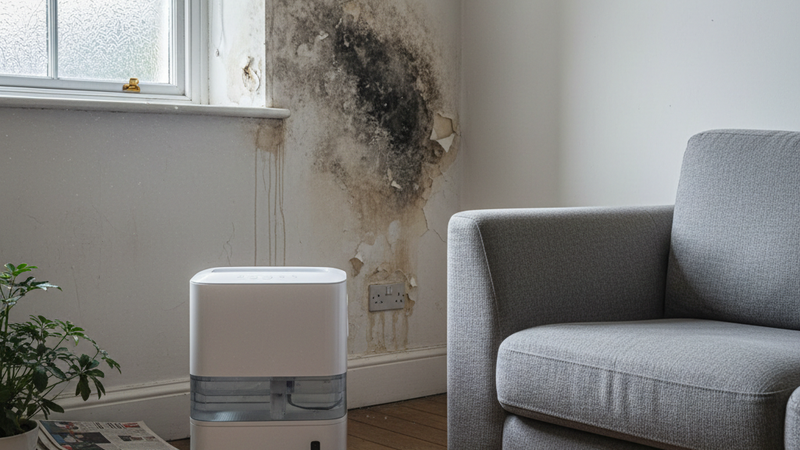
Dampness in rooms is a pervasive issue across the UK, impacting property integrity and, more critically, occupant health. This comprehensive guide delves into identifying, understanding, and effectively resolving damp problems, adhering to industry best practices and UK-specific regulations to ensure a safe and healthy living environment.
Understanding Dampness in UK Homes
Dampness manifests in various forms, each with distinct causes and requiring tailored solutions. Recognising the type of damp early can prevent extensive damage and mitigate health risks.
Types of Damp Affecting UK Properties
Three primary types of damp commonly affect UK homes:
- Condensation: Often the most common, resulting from warm, moist air coming into contact with cold surfaces, leading to water droplet formation. Typically seen on windows, walls, and in poorly ventilated areas like bathrooms and kitchens.
- Rising Damp: Occurs when groundwater travels up through porous brickwork or masonry due to a faulty or absent damp-proof course (DPC). Characterised by a tidemark on walls, crumbling plaster, and salt stains, usually affecting ground-floor rooms.
- Penetrating Damp: Caused by water ingress from outside the property, often due to structural defects such as leaky roofs, cracked rendering, faulty guttering, or damaged external walls. It can appear at any height on walls or ceilings.
Common Causes of Dampness
Identifying the root cause is crucial for effective remediation. Common culprits include:
- Poor Ventilation: Particularly in kitchens, bathrooms, and utility rooms, leading to high humidity and condensation.
- Structural Defects: Cracked walls, damaged roof tiles, faulty flashing, blocked gutters, or deteriorated pointing allowing water to penetrate.
- Plumbing Leaks: Hidden leaks from pipes, radiators, or appliances can quickly lead to localised damp and mould growth.
- Bridged Damp Proof Course (DPC): External ground levels being too high can bypass the DPC, allowing rising damp.
- Inadequate Heating: Cold homes are more susceptible to condensation as warm, moist air struggles to dissipate.
Health and Safety Concerns Related to Damp
Beyond structural damage, dampness, especially when accompanied by mould growth, poses significant health risks to occupants. Understanding these risks is paramount for a proactive approach.
Impact of Mould on Human Health
Mould, a direct consequence of persistent dampness, produces allergens, irritants, and sometimes toxic substances (mycotoxins). Inhaling or touching mould spores can trigger a range of adverse health effects, particularly for vulnerable groups.
According to the NHS, common health problems associated with mould and damp exposure include:
- Respiratory Issues: Wheezing, coughing, shortness of breath, and exacerbation of asthma.
- Allergic Reactions: Sneezing, runny nose, red eyes, and skin rashes.
- Infections in vulnerable people: People who already have a weakened immune system are at higher risk of infections from mould exposure.
- Headaches and Nausea: Some individuals report these symptoms.
- Increased susceptibility to infections: Especially for those with pre-existing conditions.
Vulnerable Occupant Groups
Certain individuals are more susceptible to the health impacts of damp and mould:
- Babies and Young Children: Their developing respiratory systems are more sensitive.
- Elderly People: Often have weaker immune systems and pre-existing conditions.
- Individuals with Respiratory Conditions: Such as asthma, allergies, or chronic obstructive pulmonary disease (COPD).
- People with Weakened Immune Systems: Due to illness, medication, or medical treatments.
Important point
The Health and Safety Executive (HSE) provides guidance on managing mould in workplaces, which also applies to residential settings, emphasising the need for prompt action to protect health.
UK Regulations and Industry Standards for Damp Remediation
In the UK, addressing dampness and mould is not just a matter of property maintenance; it's a legal and ethical obligation, particularly for landlords and property managers. Adherence to recognised standards ensures effective and safe remediation.
IICRC S520: The Gold Standard for Mould Remediation
The Institute of Inspection, Cleaning and Restoration Certification (IICRC) S520 Standard for Professional Mould Remediation is the globally recognised benchmark for mould assessment and remediation. While not a strict legal requirement in the UK, it is highly recommended by professionals and increasingly expected in dispute resolution.
Key principles of IICRC S520 include:
- Source Identification and Correction: Fundamental to prevent recurrence.
- Containment: Preventing mould spores from spreading during remediation.
- Removal of Contaminated Materials: Not just cleaning, but physically removing mould and mouldy materials.
- Drying and Dehumidification: Ensuring affected areas are thoroughly dried to inhibit further growth.
- Personal Protective Equipment (PPE): Protecting technicians from exposure.
- Post-Remediation Verification: Ensuring the remediation has been successful and the area is safe for reoccupation.
Housing Health and Safety Rating System (HHSRS)
The Housing Health and Safety Rating System (HHSRS) is used by local authorities in England and Wales to assess potential risks to health and safety from deficiencies in dwellings. Damp and mould growth are key hazards under HHSRS, and severe cases can lead to enforcement action against landlords.
Key aspects related to damp and mould:
- Excess Cold: Directly links to increased risk of condensation and mould.
- Damp and Mould Growth: A specific hazard category covering health threats from house dust mites and mould or fungal growth caused by dampness and high humidity.
Awaab's Law and Tenant Rights
Following the tragic death of Awaab Ishak due to prolonged exposure to mould, Awaab's Law has been in force in England since 27 October 2025, placing legal duties on social landlords to investigate and fix hazards like damp and mould within strict timescales. This legislation underscores the critical importance of addressing dampness promptly and effectively in rented properties.
Professional Damp and Mould Remediation Process
When dampness escalates to mould growth, especially over 10 sq ft or with health impacts, professional remediation is essential. A professional remediation process aligns with IICRC S520 to ensure thorough and safe removal.
Assessment and Source Identification
The first step involves a detailed inspection to:
- Identify the Damp Source: pinpointing whether it's condensation, rising damp, penetrating damp, or a leak. This may involve moisture meters, thermal imaging, and hygrometers.
- Assess the Extent of Contamination: Determining the affected areas and level of mould growth.
- Develop a Remediation Plan: Tailored to the specific situation, outlining necessary steps, equipment, and safety precautions.
Containment and Removal
Effective containment prevents cross-contamination, while thorough removal eliminates the mould:
- Isolation of Affected Area: Using physical barriers (e.g., plastic sheeting) and negative air pressure to prevent spore spread.
- Safe Removal of Contaminated Materials: Non-salvageable porous materials (e.g., plasterboard, insulation, carpets) are carefully removed and disposed of according to regulations.
- Cleaning of Non-Porous Surfaces: Using antimicrobial solutions approved for use in Great Britain under the Biocidal Products Regulation, together with HEPA vacuuming, to clean and disinfect surfaces.
Drying, Dehumidification, and Post-Remediation Verification
Ensuring the environment is dry and mould-free is critical for preventing recurrence:
- Structural Drying: Using industrial dehumidifiers and air movers to thoroughly dry building materials.
- Restoration of Moisture Control: Repairing the initial source of dampness (e.g., fixing leaks, installing ventilation, repairing DPC).
- Post-Remediation Verification (PRV): A final inspection and testing (e.g., air sampling, surface swabs) performed by an independent third-party or trained professional to confirm successful remediation and safe air quality.
Prevention and Ongoing Maintenance
Proactive measures are the most effective way to combat dampness and mould, protecting your health and your property investment.
Improving Ventilation and Airflow
Good ventilation is key to managing condensation:
- Ventilate Regularly: Open windows for 15-20 minutes daily, especially after showering or cooking.
- Use Extractor Fans: Ensure bathrooms and kitchens have operational and effective extractor fans.
- Maintain Airflow: Avoid overfilling wardrobes and ensure furniture isn't pushed too close to external walls, allowing air circulation.
Controlling Indoor Humidity Levels
Managing moisture generated indoors can significantly reduce damp risks:
- Dry Laundry Outdoors: If possible, or in a well-ventilated space with a dehumidifier. Avoid drying clothes on radiators.
- Use Dehumidifiers: Particularly effective in problem areas or during colder months.
- Cover Cooking Pots: Reduces steam release into the air.
Regular Property Maintenance Checks
External structural integrity is vital for preventing penetrating damp:
- Check Gutters and Downpipes: Ensure they are clear and in good repair to direct rainwater away from the property.
- Inspect Roof and Walls: Look for missing tiles, cracked rendering, or damaged pointing.
- Maintain Ground Levels: Ensure external ground levels are below the DPC to prevent bridging.
- Fix Leaks Promptly: Address plumbing leaks as soon as they are identified.
When to Call Professional Damp and Mould Specialists
While minor damp issues can sometimes be managed by homeowners, there are clear indicators when professional intervention is necessary to ensure effective and safe remediation.
Signs Indicating Professional Help is Needed
Look out for these critical signs:
- Extensive Mould Growth: Mould covering an area larger than 10 square feet (approx. 1 square metre).
- Persistent Damp Smell: A strong, musty odour that doesn't dissipate.
- Health Symptoms: If occupants are experiencing unexplained respiratory issues, allergies, or other health problems potentially linked to mould exposure.
- Suspected Hidden Damp: If you suspect dampness behind walls, under floors, or in ceilings, which can't be easily accessed.
- Rising or Penetrating Damp: These types of damp often require specialized knowledge and equipment to diagnose and repair the source.
Expert Insight
As confirmed by numerous academic studies, such as research from University of Bath, the long-term impact of damp and mould on indoor air quality and public health necessitates a professional, scientifically-backed approach to remediation.
Benefits of Certified Damp Remediation Services
Engaging certified professionals for damp and mould remediation offers numerous advantages:
- IICRC S520 Adherence: Ensures remediation follows proven, safe, and effective methods.
- Accurate Source Identification: Professionals use specialised equipment to correctly diagnose the damp source, preventing recurrence.
- Safe Removal: Minimises airborne spore dispersal and protects building occupants during the process.
- Thorough Drying: Industrial-grade equipment ensures complete drying of structures, preventing future mould.
- Post-Remediation Verification: Provides peace of mind that the problem has been fully resolved and the environment is safe.
- Long-Term Solutions: Professionals offer advice on preventing future damp issues.
Addressing dampness in your UK home requires a clear understanding of its causes, potential risks, and the correct remediation strategies. By adhering to professional standards like the IICRC S520 and implementing effective prevention methods, you can ensure a healthy and safe environment for all occupants. If you are facing significant or persistent damp issues, don't hesitate to consult a professional specialist, find out the cost of mould removal, or check out our blog for more expert advice.