Dealing with Mould on Walls: Your UK Expert Guide
Discover effective strategies for dealing with mould on walls in your UK home, from identification to professional remediation and prevention.
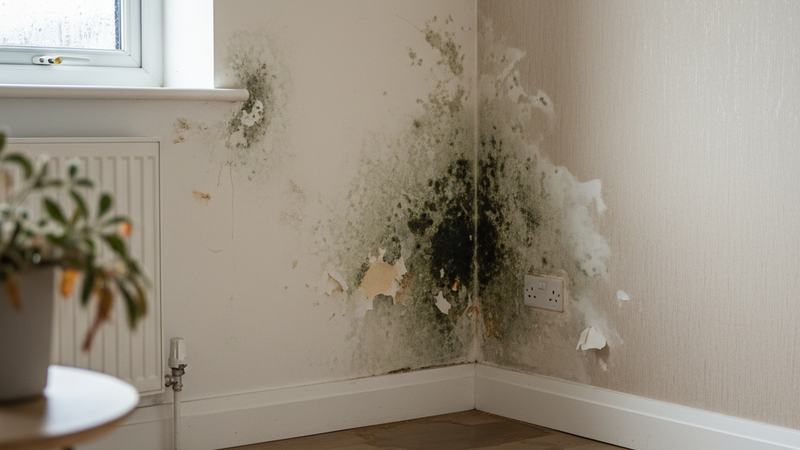
Mould on walls is a common and often unsightly problem in many UK homes, posing significant risks not only to the structural integrity of your property but also to the health of its occupants. This comprehensive guide, informed by industry best practices and UK-specific regulations, will equip you with the knowledge to identify, address, and prevent mould growth effectively.
Understanding Mould Growth on UK Walls
Mould is a type of fungus that thrives in damp, humid conditions, reproducing by releasing microscopic spores into the air. When these spores land on a suitable surface with moisture, they can rapidly colonise, leading to visible mould growth, often manifesting as black, green, or even white fuzzy patches on your walls.
Common Causes of Wall Mould in UK Homes
Several factors contribute to mould growth on walls, particularly in the UK's often damp climate. Understanding these causes is the first step towards effective remediation and prevention.
- Condensation: This is arguably the most prevalent cause in UK homes. Warm, moist air (from cooking, showering, drying clothes indoors) comes into contact with cold surfaces like external walls or windows, causing water vapour to condense into liquid.
- Penetrating Damp: Occurs when rainwater ingresses through defects in the building fabric, such as cracked rendering, faulty guttering, damaged roofs, or porous brickwork.
- Rising Damp: Less common but serious, rising damp occurs when groundwater rises through capillary action in bricks and mortar, typically affecting ground-floor walls.
- Leaking Pipes or Roofs: Hidden leaks from plumbing systems, radiators, or the roof can saturates walls from within, creating ideal conditions for mould.
- Poor Ventilation: Inadequate airflow prevents moist air from escaping, trapping humidity indoors and fostering condensation.
Identifying Different Types of Mould and Their Appearance
While identification of specific mould species requires laboratory analysis, you can generally recognise mould by its appearance. Common types found on walls include:
- Black mould (e.g., Stachybotrys chartarum): Often appears as slimy, black, or dark green spots. This type is frequently associated with water damage.
- Green mould (e.g., Cladosporium): Typically presents as fuzzy, green, or brown patches, often found in high-humidity areas.
- White mould: Can sometimes be mistaken for efflorescence (salt deposits), but white mould is usually fuzzy or powdery in texture.
Important point
Never attempt to identify mould species by taste or smell alone. If you suspect an issue, rely on visual cues and professional assessment.
Health and Safety Concerns Related to Wall Mould
Mould is not just an aesthetic problem; it poses genuine health risks, particularly for vulnerable individuals. The spores, fragments, and volatile organic compounds (VOCs) produced by mould can all be harmful.
Potential Health Effects of Mould Exposure
Exposure to mould can trigger a range of health issues. The NHS website guidance highlights respiratory problems, allergies, and skin irritation as common symptoms.
- Respiratory Issues: Coughing, wheezing, shortness of breath, and exacerbation of asthma.
- Allergic Reactions: Sneezing, runny nose, red eyes, skin rashes (dermatitis).
- Infections in vulnerable people: For individuals with compromised immune systems, mould exposure can lead to more severe infections.
- Other Symptoms: Headaches, fatigue, and irritation of the eyes, nose, and throat.
Protecting Occupants During Mould Remediation
The Health and Safety Executive (HSE) provides guidelines for workplace safety that can be applied to domestic situations, emphasising the use of Personal Protective Equipment (PPE) when dealing with mould.
- Wear PPE: At a minimum, this includes an FFP2 or FFP3 respirator (the UK equivalent of an N95 mask), safety glasses or goggles, and disposable gloves. For larger areas or sensitive individuals, full protective suits may be advisable.
- Isolate the Area: Close doors and windows in the affected room to prevent mould spores from spreading to other areas of the house. Use plastic sheeting and tape to create a barrier if necessary.
- Ventilate Safely: Use extraction fans vented to the outside to create negative air pressure, preventing spores from migrating inwards.
- Protect Vulnerable Individuals: Children, the elderly, pregnant women, and those with pre-existing respiratory conditions or suppressed immune systems should ideally vacate the property during remediation.
UK Regulations and Standards for Mould Remediation
In the UK, mould remediation is governed by a combination of housing standards and industry best practices to ensure safe and effective resolution.
IICRC S520 and UK Industry Best Practices
Although predominantly a North American standard, the IICRC S520 Standard and Reference Guide for Professional Mould Remediation is internationally recognised and serves as the benchmark for professional mould remediation in the UK. Professionals adhere strictly to these principles.
Key aspects include:
- Containment: Establishing physical barriers to prevent cross-contamination.
- Source Removal: Addressing the root cause of moisture and physically removing the mould.
- Drying: Thoroughly drying affected materials back to their normal dry-standard moisture levels (timber is generally considered safe from fungal growth below about 20% moisture content).
- Cleaning and Disinfection: Using appropriate methods to clean surfaces and inhibit future growth.
- Verification: Post-remediation assessment to confirm successful removal and prevent recurrence.
Housing Health and Safety Rating System (HHSRS) and Local Authority Role
The Housing Health and Safety Rating System (HHSRS) is a risk assessment tool used by local authorities in England and Wales to assess potential hazards in residential properties, including damp and mould. Under HHSRS, severe damp and mould growth can be categorised as a Category 1 hazard, requiring landlord intervention.
Legislation such as Awaab's Law, in force for social landlords in England since 27 October 2025, further strengthens tenants' rights and landlords' obligations to address damp and mould in a timely and effective manner, particularly in social housing.
The Professional Mould Remediation Process
For significant mould growth, professional remediation is essential. Our structured approach ensures thorough and lasting results, adhering to IICRC S520 guidelines.
Assessment and Containment Strategies
The first step involves a detailed assessment to determine the extent of mould growth, identify the moisture source, and categorise the affected area. This informs the appropriate containment strategy.
- Initial Inspection: Using moisture meters, thermal imaging cameras, and boroscopes to locate hidden moisture and mould.
- Mould Sampling (if necessary): To identify mould types and assess potential toxicity.
- Establishment of Containment: Depending on the severity, this may range from isolating the room to creating critical barriers with negative air pressure systems to prevent spore spread.
Mould Removal, Cleaning, and Structural Drying
Once contained, the physical removal and drying process begins.
- Moisture Source Rectification: Repairing leaks, improving ventilation, or addressing rising damp.
- Mould Removal: Non-porous surfaces can be cleaned with biocides and wire brushes. Porous materials (e.g., drywall, insulation, contaminated plaster) often need to be carefully removed, double-bagged, and disposed of according to regulations.
- HEPA Vacuuming: Thoroughly vacuuming all affected and adjacent surfaces with HEPA-filtered vacuums to capture microscopic mould spores.
- Structural Drying: Utilising commercial-grade dehumidifiers and air movers to quickly and thoroughly dry the affected building materials to prevent secondary mould growth.
- Antimicrobial Treatment: Applying an appropriate antimicrobial solution to cleaned surfaces to deter future growth.
Post-Remediation Verification and Clearance Testing
After remediation, a critical step is to verify its success. This ensures the environment is safe for reoccupation.
- Visual Inspection: A thorough check to ensure all visible mould has been removed.
- Moisture Reading: Confirming that all materials have reached acceptable moisture levels.
- Air Quality Testing (optional or when required): Independent third-party testing can be conducted to confirm spore counts have returned to normal baseline levels.
Prevention and Long-Term Maintenance
The best way to deal with mould is to prevent it from occurring in the first place.
Strategies for Reducing Humidity and Improving Ventilation
Controlling moisture is paramount for mould prevention.
- Adequate Ventilation: Ensure good airflow throughout your home. Open windows regularly, especially after showering or cooking. Use extractor fans in kitchens and bathrooms and ensure they are vented to the outside.
- Dry Clothes Outdoors: If possible, avoid drying laundry indoors, as this releases significant moisture into the air. If unavoidable, use a dehumidifier in a well-ventilated room.
- Maintain Consistent Temperatures: Keep internal temperatures stable to reduce cold spots where condensation can form.
- Use Dehumidifiers: In particularly damp areas or during humid months, a domestic dehumidifier can help keep indoor humidity levels below 60%.
Addressing Building Defects and Regular Property Checks
Preventing damp ingress is crucial.
- Inspect Gutters and Downpipes: Routinely clear leaves and debris to ensure water drains away from the building.
- Check Roofs and Render: Look for cracked tiles, damaged flashing, or deteriorated render that could allow water to penetrate.
- Seal Cracks: Repair any cracks in exterior walls or around windows and doors.
- Monitor for Leaks: Regularly check under sinks, around pipes, and radiators for any signs of leaks.
- Maintain Soil Levels: Ensure ground levels around your property are lower than your damp proof course to prevent rising damp.
When to Call Professional Mould Remediation Specialists
While small patches of mould might be manageable with DIY methods, knowing when to call in the experts is vital for safety and effectiveness.
Indicators for Professional Intervention
If you encounter any of the following, it's time to contact professional mould remediation specialists:
- Large Area of Growth: If the mould covers an area larger than 1 square metre (roughly a metre by a metre, or about eight A3 sheets of paper), or if it spans multiple walls or rooms.
- Recurrent Mould: If mould consistently returns after DIY cleaning, indicating an unresolved moisture source or improper cleaning.
- Hidden Mould: If you smell a persistent musty odour but can't see the mould, it's likely hidden behind walls, under flooring, or in ceiling voids, requiring specialist detection.
- Health Concerns: If occupants are experiencing unexplained health issues that could be linked to mould exposure.
- Water Damage: If mould growth is a result of significant water ingress, such as a burst pipe or flood, indicating saturated building materials.
- Vulnerable Occupants: If there are children, elderly, pregnant individuals, or those with respiratory conditions or compromised immune systems in the property.
What to Expect from a Professional Service
Engaging professional mould remediators ensures a thorough, safe, and effective solution. Professionals provide:
- Comprehensive Assessment: Including moisture mapping and source identification.
- Safe Containment: Using advanced equipment to prevent cross-contamination.
- Expert Removal: Adhering to IICRC S520 standards for mould removal and disposal.
- Structural Drying: Utilising industrial-grade drying equipment.
- Air Purification: Using HEPA air scrubbers to remove airborne mould spores.
- Post-Remediation Verification: Ensuring the property is safe and mould-free.
- Preventative Advice: Guidance on ongoing maintenance to avoid recurrence.
Considering the cost?
For an estimate of professional mould remediation services, visit our cost calculator.
Dealing with mould on walls requires a systematic approach, from understanding its causes to implementing effective remediation and robust prevention strategies. By following the advice in this guide and knowing when to seek professional help, you can protect both your property and the health of its inhabitants. For more insights and articles, please explore our blog.