Home Mould Removal: Expert Guide & UK Solutions
Discover comprehensive guidance on home mould removal in the UK, from understanding its causes to professional remediation and prevention strategies.
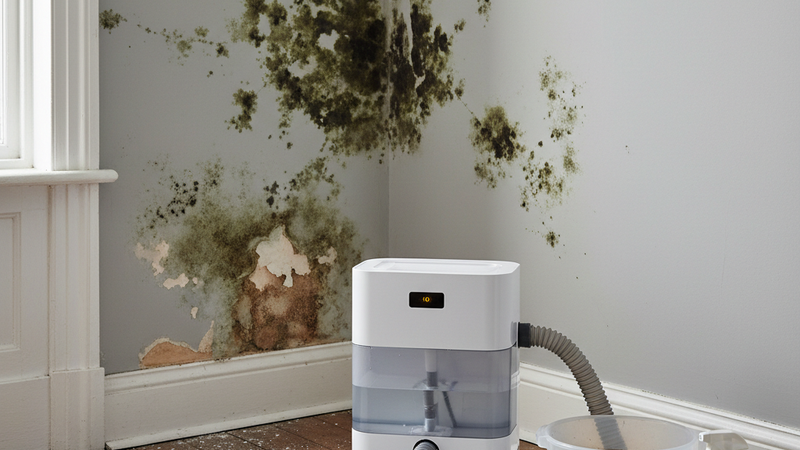
Mould growth in homes is a common and often underestimated problem, particularly within the varied climate of the United Kingdom. This comprehensive guide will equip you with essential knowledge on identifying, safely removing, and preventing mould, ensuring a healthier living environment for you and your family.
Understanding Mould Growth in Your UK Home
Mould, a type of fungus, thrives in damp, humid conditions. It reproduces by releasing spores into the air, which can land on surfaces within your home and begin to grow if moisture is present. Recognising the signs and understanding the causes are the first steps to effective mould management.
Common Types and Identification
Various types of mould can appear in homes, ranging in colour from black, green, white, or even orange. Common household moulds include Cladosporium, Penicillium, Aspergillus, and Stachybotrys chartarum (often referred to as 'black mould').
- Visibility: Often appears as fuzzy, slimy, or discoloured patches on walls, ceilings, floors, or fabrics.
- Odour: Mould frequently produces a musty, earthy smell, even if it's not visibly apparent (indicating hidden mould).
- Location: Commonly found in bathrooms, kitchens, basements, utility rooms, and around windows where condensation is prevalent.
Causes of Damp and Moisture Accumulation
Mould needs moisture to grow. Identifying and addressing the source of this moisture is critical for long-term prevention. In the UK, common causes include:
- Condensation: Poor ventilation in areas like bathrooms and kitchens, leading to warm, moist air condensing on cold surfaces.
- Leaks: Plumbing leaks, roof leaks, or leaks around windows and doors allowing water ingress.
- Rising Damp: Moisture from the ground rising through walls due to a faulty or absent damp-proof course.
- Penetrating Damp: Water penetrating walls from outside due to defective brickwork, gutters, or roofing.
- Flooding: Even minor flooding can leave residual moisture that promotes mould growth if not properly dried.
Health and Safety Concerns of Mould Exposure
Beyond aesthetic damage, mould can pose significant health risks, especially for vulnerable individuals. The National Health Service (NHS) provides guidance on the potential impact of mould on health, and the Health and Safety Executive (HSE) advises on mould in workplaces, principles that extend to homes.
Important point
Always prioritise personal protective equipment (PPE) when dealing with mould to minimise exposure risks, even for small patches.
Impact on Respiratory Health
Mould spores, volatile organic compounds (VOCs), and mycotoxins released by mould can be inhaled, leading to various respiratory issues:
- Allergic Reactions: Sneezing, runny nose, red eyes, skin rash, and asthma attacks in susceptible individuals.
- Asthma Exacerbation: Mould is a known trigger for asthma, leading to increased frequency and severity of attacks.
- Respiratory Symptoms: Coughing, wheezing, shortness of breath, particularly in infants, the elderly, and those with compromised immune systems.
For more detailed health information, consult the NHS guidance on damp and mould.
Other Health Risks and Vulnerable Groups
Beyond respiratory issues, mould exposure has been linked to other health concerns. Certain groups are particularly vulnerable:
- Immunocompromised Individuals: People undergoing chemotherapy, organ transplant recipients, or those with HIV/AIDS are at higher risk of mould infections.
- Infants and Young Children: Developing respiratory systems are more sensitive to environmental pollutants.
- Elderly: Weakened immune systems and chronic health conditions can increase susceptibility.
- Skin Irritations: Direct contact with mould can cause rashes or dermatitis.
The Health and Safety Executive (HSE) provides general guidance on controlling hazardous substances and protective measures, particularly relevant for professionals but good practice for homeowners. You can find more information on HSE's COSHH guidance.
UK Regulations and Standards for Mould Remediation
In the UK, addressing mould goes beyond simple cleaning; it involves adhering to established standards and regulations designed to ensure safe and effective remediation. This is especially true for landlords and social housing providers, but these principles are best practice for all homeowners.
IICRC S520 and Industry Best Practices
The Institute of Inspection, Cleaning and Restoration Certification (IICRC) S520 is the global consensus standard for professional mould remediation. While not a legal requirement in UK homes, it serves as the benchmark for professional mould removal companies, including our own. Adhering to its principles ensures thoroughness and safety.
- Containment: Preventing the spread of mould spores to unaffected areas.
- Source Identification and Rectification: Crucially, finding and fixing the moisture source.
- Removal: Physically removing mouldy materials, not just killing surface mould.
- Drying: Ensuring all affected areas are thoroughly dried to prevent re-growth.
- Post-Remediation Verification: Testing to confirm mould has been successfully removed and the environment is safe.
Understanding these standards is key when engaging a professional. Learn more about IICRC S520.
Housing Health and Safety Rating System (HHSRS) & Awaab's Law
For rented properties, the Housing Health and Safety Rating System (HHSRS) assesses potential hazards, including damp and mould, classifying them into Category 1 (serious) or Category 2 (less serious) hazards. Landlords have a legal obligation to address Category 1 hazards.
Awaab's Law, in force for social landlords in England since 27 October 2025, further strengthens tenants' rights by setting strict deadlines for those landlords to investigate and fix hazards like damp and mould. This landmark legislation underscores the severity with which the UK government views the issue. Homeowners can apply these principles to their own properties for good practice.
Find out more about your rights and responsibilities on gov.uk or read our detailed article on Awaab's Law.
The Professional Mould Remediation Process
When mould growth is extensive or deep-seated, professional intervention is crucial. A professional remediation process follows IICRC S520 guidelines, ensuring a thorough and safe resolution to your mould problem.
Assessment and Initial Containment
Every effective mould remediation begins with a detailed assessment:
- Inspection: Identifying the extent of mould growth, its type, and critically, the underlying moisture source.
- Testing (Optional): Air sampling or surface swabs may be used to identify mould species and spore counts.
- Containment Setup: Using physical barriers (e.g., poly sheeting), negative air pressure, and air scrubbers with HEPA filtration to prevent the spread of spores.
Removal, Cleaning, and Drying
This is the core of the remediation process:
- Moisture Source Repair: Absolutely essential – the source of water must be fixed before remediation can proceed effectively.
- Material Removal: Porous materials (e.g., plasterboard, insulation, carpets) heavily contaminated with mould are carefully removed and disposed of according to regulations.
- Surface Cleaning: Non-porous surfaces are cleaned with appropriate antimicrobial agents and biocide treatments to remove all visible and hidden mould.
- Drying: Industrial-grade dehumidifiers and air movers are used to thoroughly dry the affected area to industry-standard moisture levels, preventing recurrence.
Post-Remediation Verification and Prevention Advice
The final stages ensure the success and longevity of the remediation:
- Post-Remediation Testing: Re-testing the air and surfaces to confirm effective mould removal and safe air quality.
- Clearance Certificate: Providing documentation that the area has been successfully remediated.
- Prevention Strategies: Offering tailored advice on ventilation, heating, insulation, and maintenance to prevent future mould growth.
Prevention and Long-term Maintenance Against Mould
The most effective approach to mould is prevention. By proactively managing moisture and ventilation in your home, you can significantly reduce the risk of future mould infestations.
Controlling Humidity and Improving Ventilation
Good air circulation and humidity control are your first line of defence:
- Ventilate Regularly: Open windows for 10-15 minutes daily, even in winter, to allow fresh air in and moist air out.
- Extractor Fans: Always use extractor fans in bathrooms and kitchens when showering, cooking, or drying clothes indoors. Ensure they are properly vented outside, not into the loft space.
- Dehumidifiers: Use a dehumidifier in particularly damp rooms or basements to maintain indoor humidity between 30-50%.
- Avoid Drying Clothes Indoors: If unavoidable, ensure the room is well-ventilated or use a condenser tumble dryer.
Addressing Moisture Sources and Insulation
Eliminating the source of damp is paramount:
- Fix Leaks Promptly: Repair plumbing leaks, roof leaks, and leaky windows immediately.
- Maintain Gutters: Ensure gutters and downpipes are clear and in good repair to direct rainwater away from the property.
- Damp-Proofing: For properties prone to rising damp, consult a specialist for damp-proofing solutions.
- Insulation: Improve wall and loft insulation to keep internal surfaces warmer and reduce condensation. Consider double glazing for windows.
Daily Habits and Monitoring
Small daily actions can make a big difference:
- Sufficient Heating: Maintain a consistent, moderate temperature throughout your home, especially in winter. Avoid turning heating off in unused rooms.
- Clean Regularly: Wipe away condensation from windows and surfaces daily. Clean bathrooms and kitchens frequently.
- Clear Clutter: Avoid stacking items against exterior walls, as this can impede air circulation and trap moisture.
- Monitor Humidity: Use a hygrometer to keep track of indoor humidity levels.
When to Call Professional Mould Remediation Specialists
While small patches of surface mould can often be tackled by homeowners, there are clear indicators that professional assistance is necessary to ensure effective and safe remediation.
Self-assessment Question
Is the mould patch larger than about one square metre? Does it return persistently after cleaning? Is there a strong, persistent musty odour?
Signs Indicating Professional Intervention
Don't hesitate to contact experts if any of these conditions apply:
- Extensive Growth: If mould covers an area larger than 1 square metre (roughly a metre by a metre, or about eight A3 sheets of paper).
- Recurrent Mould: If mould consistently returns despite your best cleaning efforts, indicating an unresolved moisture source or deeper contamination.
- Hidden Mould: A persistent musty smell suggests mould growth behind walls, under flooring, or in other inaccessible areas.
- Health Concerns: If occupants are experiencing persistent mould-related health symptoms.
- Water Damage History: Following significant water damage like flooding or burst pipes, which often leads to hidden mould.
- HVAC System Contamination: If mould is present in your heating, ventilation, and air conditioning (HVAC) system.
Benefits of Professional Mould Remediation
Engaging specialists offers peace of mind and effective solutions:
- Expert Assessment: Professionals can accurately identify the mould type, extent, and crucially, the underlying moisture source.
- Safe Removal: Using appropriate PPE, containment procedures, and specialised equipment to prevent cross-contamination.
- Thorough Cleaning: Employing advanced techniques and professional-grade biocides to eliminate mould from all affected surfaces and air.
- Moisture Control: Implementing industrial drying equipment to ensure the area is completely dry, preventing recurrence.
- Post-Remediation Verification: Offering post-testing to confirm the successful removal of mould and safe air quality.
- Long-Term Prevention Advice: Providing tailored recommendations to prevent future mould issues.
Considering the cost? Use our mould removal cost calculator for an estimate.
For more insights and information on maintaining a mould-free home, explore our blog.