Home Moulding: Expert Guide to Detection & Remediation UK
Discover comprehensive guidance on identifying, preventing, and remediating mould in your UK home. Learn about health risks and professional solutions.
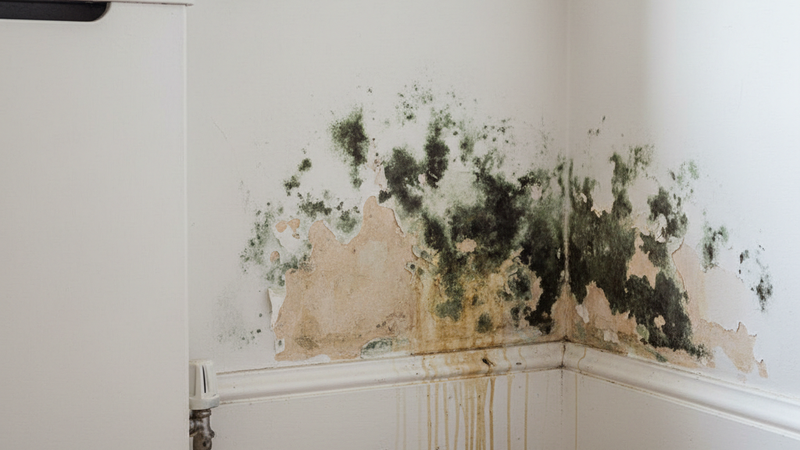
Mould in your home is more than just an unsightly nuisance; it's a living organism that can pose significant health risks and compromise the structural integrity of your property. For homeowners and tenants across the UK, understanding the causes, implications, and effective solutions for domestic mould growth is crucial. This comprehensive guide will equip you with the knowledge to tackle mould effectively, ensuring a healthier living environment.
Understanding Home Moulding and Its Causes
Mould, a type of fungus, thrives in damp, humid conditions. It reproduces by releasing spores into the air, which can then settle on surfaces within your home and begin to grow if moisture is present. Recognising the signs and understanding the underlying causes is the first step towards effective remediation.
Common Types of Mould Found in UK Homes
While many types of mould exist, several are commonly found in residential properties. These include Cladosporium (often black/green and found on painted surfaces), Penicillium (blue/green, common on water-damaged materials), Aspergillus (varying colours, often found indoors), and Stachybotrys chartarum, commonly known as black mould, which is typically dark green or black and slimy when wet, powdery when dry. Identifying the exact type often requires laboratory analysis, but the presence of any mould indicates a moisture problem.
Sources of Moisture Leading to Mould Growth
Mould cannot grow without moisture. Common sources of excessive dampness in UK homes include:
- Condensation: Poor ventilation in kitchens and bathrooms, leading to moisture build-up on cold surfaces.
- Leaks: Roof leaks, plumbing leaks (pipes, taps, toilets), or leaks around windows and doors.
- Rising Damp: Moisture rising from the ground through walls due to a faulty or absent damp-proof course.
- Penetrating Damp: Water entering walls from outside due to damaged brickwork, rendering, or gutters.
- Flooding: Past or present water ingress from floods that wasn't properly dried out.
- Building Defects: Poor insulation, cold spots, or construction issues that trap moisture.
Recognising the Signs of Mould
Mould often manifests visually as discoloured patches, ranging from black, green, or brown to white and orange. It can have a musty, earthy odour. Beyond visible growth, signs of dampness like peeling paint, bubbling wallpaper, water stains, or a persistently damp smell are strong indicators of potential mould issues. Don't ignore these early warnings, as mould can spread rapidly if left untreated.
Important point
Always address the underlying moisture source before attempting to remove mould. Without controlling the dampness, mould will inevitably return.
Health and Safety Concerns Related to Mould
Exposure to mould, particularly for vulnerable individuals, can lead to a range of health problems. Understanding these risks underscores the importance of prompt and thorough mould remediation.
Potential Health Effects of Mould Exposure
Mould spores, when inhaled, can trigger various respiratory and allergic reactions. According to the UKHSA guidance on damp and mould, common symptoms include:
- Respiratory problems: wheezing, coughing, shortness of breath, asthma attacks.
- Allergic reactions: sneezing, runny nose, red eyes, skin rash.
- Headaches and fatigue.
- Irritation of the eyes, nose, and throat.
Individuals with pre-existing conditions such as asthma, allergies, or weakened immune systems, as well as infants and the elderly, are particularly vulnerable.
Risk Groups and Long-Term Implications
The elderly, very young children, and those with chronic respiratory illnesses are at higher risk. Prolonged exposure can lead to chronic respiratory conditions and worsen existing health issues. While often sensationalised, the term 'toxic mould' refers to moulds that produce mycotoxins, which can be harmful if inhaled or ingested in sufficient quantities. The Health and Safety Executive (HSE) provides guidance on managing mould in workplaces, principles that are also applicable to homes.
Safety Precautions During DIY Mould Removal
For very small, superficial mould patches (less than one square metre), careful DIY removal might be possible. However, always wear appropriate personal protective equipment (PPE): a P3 respirator, gloves, and eye protection. Ensure the area is well-ventilated and avoid spreading spores. Do not attempt DIY removal if you are sensitive to mould or have underlying health conditions. For larger areas or persistent issues, professional help is recommended.
UK Regulations and Standards for Mould Remediation
The UK has specific frameworks and guidelines to ensure properties are fit for habitation and to protect occupants from hazards like mould.
IICRC S520 and Industry Best Practices
While not a legally binding regulation in the UK, the IICRC S520 Standard and Reference Guide for Professional Mould Remediation is widely recognised and adhered to by professional remediation companies globally, including in the UK. It outlines comprehensive procedures for safely and effectively assessing and remediating mould contamination. Adherence to these standards ensures thorough mould removal, preventing re-growth and protecting occupants.
Housing Health and Safety Rating System (HHSRS)
The Housing Health and Safety Rating System (HHSRS) is used by local authorities in England and Wales to assess potential hazards in residential properties, including damp and mould. Under HHSRS, severe damp and mould growth can be classified as a Category 1 hazard, requiring landlords to take action to rectify the issue. This system provides a legal framework for tenants to demand action from their landlords regarding mould problems, especially relevant after the introduction of Awaab's Law.
Landlord and Tenant Responsibilities
In rented accommodation, landlords generally have a legal responsibility to ensure properties are free from serious hazards, including significant damp and mould. Tenants also have a responsibility to use the property in a 'tenant-like manner,' which includes ensuring adequate ventilation and reporting issues promptly. Understanding these responsibilities is vital for both parties to address mould effectively and prevent disputes.
The Professional Mould Remediation Process
When mould growth is extensive or persistent, professional remediation is the safest and most effective solution. This systematic approach ensures complete removal and addresses the root cause.
Initial Assessment and Containment
A professional remediation begins with a thorough assessment to determine the extent of contamination, identify the moisture source, and categorise the mould risk. Based on this, a detailed remediation plan is developed. Containment is then established using physical barriers (e.g., plastic sheeting) and negative air pressure to prevent mould spores from spreading to unaffected areas of the property during the remediation process.
Mould Removal and Decontamination Techniques
Specialised techniques are employed to safely remove mould. This often involves:
- Source Elimination: Fixing the moisture problem (e.g., repairing leaks, improving ventilation).
- Removal of Contaminated Materials: Non-salvageable porous materials (e.g., drywall, insulation, carpets) are carefully removed and disposed of following strict guidelines.
- HEPA Vacuuming: High-Efficiency Particulate Air (HEPA) vacuums are used to remove spores from surfaces.
- Antimicrobial Treatment: Application of appropriate antimicrobial agents to kill mould and inhibit future growth on salvageable materials.
- Sanding/Wire Brushing: On non-porous surfaces, aggressive cleaning may be required.
Post-Remediation Verification and Clearance Testing
After physical mould removal, the area is thoroughly cleaned and dried. Post-remediation verification often involves visual inspections, moisture readings, and sometimes air or surface sampling (clearance testing) to confirm that the mould has been effectively removed and the property is safe for re-occupancy. This step is crucial for peace of mind and often a requirement for insurance claims.
Prevention and Maintenance for a Mould-Free Home
Preventing mould is far easier and less costly than remediating it. Proactive measures are key to maintaining a healthy home environment.
Effective Ventilation and Humidity Control
Good ventilation is paramount. Use extractor fans in kitchens and bathrooms when cooking or showering, and keep them running for at least 15-20 minutes afterwards. Open windows regularly, even for a few minutes, to allow fresh air circulation. Consider using dehumidifiers in damp areas, especially during colder months. Aim for indoor humidity levels between 30% and 50%.
Regular Property Maintenance and Checks
Regularly inspect your home for signs of leaks: check roofs, gutters, plumbing, and around windows and doors. Address any water ingress immediately. Ensure your damp-proof course is intact. Keep heating on low during colder months to prevent cold spots where condensation can form. Don't dry laundry indoors on radiators if possible, or ensure excellent ventilation if you do.
Identifying and Fixing Common Moisture Sources
Be vigilant about potential moisture sources. If you notice persistent damp patches, a musty smell, or peeling paint, investigate immediately. Repair leaking taps, pipes, or shower seals promptly. Ensure adequate drainage around your property's exterior. Improving insulation can also help prevent cold spots and reduce condensation. You can also explore options for improving your home's energy efficiency, which often correlates with better moisture control, as discussed by institutions like Reading University's Building Energy Engineering research.
When to Call Professional Mould Remediation Specialists
While small mould patches might be manageable with DIY methods, there are clear indicators that professional intervention is necessary.
Signs Indicating the Need for Professional Help
You should contact a professional mould remediation specialist if:
- The mould covers an area larger than one square metre.
- You suspect mould is present behind walls, under flooring, or in inaccessible areas.
- There's a strong musty odour but no visible mould, suggesting hidden growth.
- Anyone in the household is experiencing health symptoms related to mould exposure.
- The mould is returning after previous cleaning attempts.
- The mould is a result of sewage or contaminated water.
The Benefits of Professional Mould Remediation
Professionals have the expertise, equipment, and training to safely and thoroughly remove mould according to industry standards like IICRC S520. They can accurately identify the moisture source, prevent cross-contamination, properly dispose of hazardous materials, and provide post-remediation verification, ensuring a lasting solution and peace of mind. Trying to tackle large mould issues yourself can be ineffective, dangerous, and may even worsen the problem by spreading spores.
Finding a Qualified UK Mould Remediation Company
When selecting a mould remediation company in the UK, look for certifications such as IICRC, NCCA, or BDMA. Ensure they are insured, can provide references, and offer a clear, transparent quotation. A reputable company will conduct a thorough assessment before proposing a solution and clearly explain their process. Don't hesitate to ask about their experience with similar cases and their safety protocols. For an estimate of potential costs, try our mould removal cost calculator or explore more insights on our blog.
Important point
Never paint over mould. This will only conceal the problem temporarily, allowing it to continue growing and potentially cause further damage and health issues.