Mould on Interior Walls: UK Guide to Remediation & Prevention
Discover how to identify, address, and prevent mould growth on interior walls in the UK. Understand health risks, regulations, and professional remediation steps.
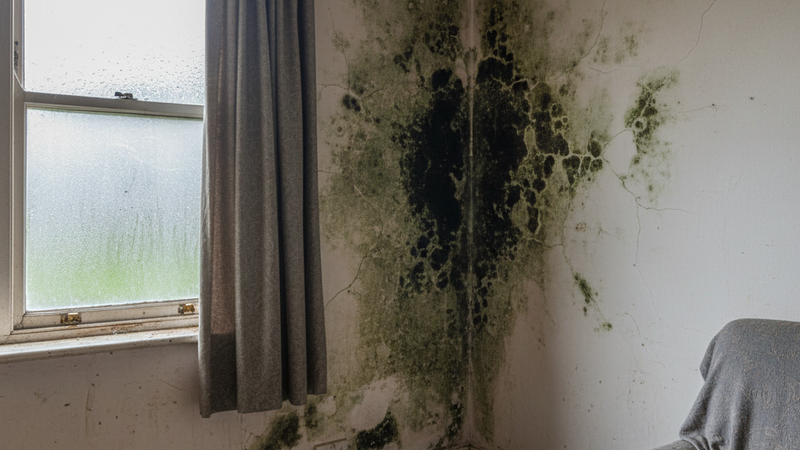
Mould on interior walls is a common and concerning issue for many homeowners and tenants across the UK. Beyond its unsightly appearance, mould can pose significant health risks and compromise the structural integrity of your property if left unaddressed. Understanding the causes, identifying the types, and knowing the correct remediation steps are crucial for maintaining a healthy living environment.
Understanding Mould Growth on Interior Walls
Mould is a type of fungus that thrives in damp, humid conditions, feeding on organic materials commonly found in building structures. Its presence on interior walls often indicates an underlying moisture problem that needs immediate attention.
Common Causes of Wall Mould
Several factors contribute to mould growth on interior walls, primarily revolving around excess moisture. Identifying the source is the first critical step in effective remediation.
- Condensation: Poor ventilation combined with warm, moist air (from cooking, showering, drying clothes) creates condensation on cold surfaces, such as exterior walls.
- Water Leaks: Leaking roofs, faulty plumbing, or cracks in exterior walls can allow water to penetrate and saturate plasterboard or masonry.
- Rising Damp: This occurs when groundwater rises through capillary action in porous materials like bricks and mortar, typically affecting lower sections of walls.
- Penetrating Damp: Caused by external water penetrating walls due to defective gutters, downpipes, rendering, or porous brickwork.
- Flooding: Past or present flooding incidents can leave residual moisture within wall cavities and materials.
Identifying Different Types of Mould
While many types of mould exist, the most common ones found on interior walls vary in colour and texture, though all indicate a moisture problem.:
- Black Mould (Stachybotrys chartarum): Often greenish-black and slimy, becoming powdery when dry. Associated with severe water damage.
- Green/Grey Mould: Highly common, often appearing fuzzy. Can be various species like Cladosporium or Aspergillus.
- White Mould: Can resemble efflorescence (salt deposits) but is fuzzy or powdery. Often found in damp basements.
- Orange/Pink Mould: Less common on walls but can appear in very damp areas, often linked to Serratia marcescens bacteria, not true mould.
Regardless of type, all visible mould should be treated with caution and addressed promptly.
Health & Safety Concerns Posed by Wall Mould
Exposure to mould spores can trigger a range of health issues, particularly for vulnerable individuals. The NHS provides guidance on how mould can affect health, emphasising the importance of good ventilation.
Potential Health Impacts
Mould spores, volatile organic compounds (VOCs), and microbial volatile organic compounds (MVOCs) released by mould can be inhaled, leading to various symptoms:
- Respiratory Issues: Coughing, wheezing, shortness of breath, asthma attacks, bronchitis.
- Allergic Reactions: Sneezing, runny nose, red eyes, skin rashes.
- Irritation: Eye, nose, throat, and skin irritation.
- Headaches and Fatigue: Some individuals report persistent headaches and general malaise when exposed to mould.
At-Risk Groups
Important point
These groups are more susceptible to severe health effects from mould exposure, making prompt remediation even more critical.
- Infants and Young Children: Their developing respiratory systems are more vulnerable.
- Elderly Individuals: Often have weaker immune systems and pre-existing conditions.
- Individuals with Asthma or Allergies: Mould can trigger or worsen their conditions.
- People with Compromised Immune Systems: Such as those undergoing chemotherapy, HIV positive, or organ transplant recipients.
- Individuals with Chronic Lung Diseases: E.g., chronic obstructive pulmonary disease (COPD).
The Health and Safety Executive (HSE) also provides guidelines for employers on controlling risks from mould and dampness in the workplace, stressing the importance of a safe environment.
UK Regulations and Standards for Mould Remediation
In the UK, addressing mould in properties is not just about health; it's also a legal and regulatory requirement for landlords and property managers.
IICRC S520 and Industry Best Practices
The IICRC S520 Standard for Professional Mould Remediation is the globally recognised guideline for safe and effective mould removal. While not a direct UK law, it represents industry best practice that reputable remediation specialists adhere to. It outlines procedures for:
- Assessing mould growth.
- Containing affected areas to prevent cross-contamination.
- Removing mould and mould-contaminated materials.
- Drying and structural repairs.
- Post-remediation verification.
Following IICRC guidelines ensures that mould is not just visually removed but also that its spores are eliminated, and the underlying moisture issue is resolved comprehensively.
Housing Health and Safety Rating System (HHSRS)
The Housing Health and Safety Rating System (HHSRS) is a risk-assessment tool used by local councils in England and Wales to assess dwellings for potential hazards. Damp and mould growth is classified as a Category 1 hazard if severe enough, requiring landlords to take action. Failure to address such hazards can lead to enforcement action, including improvement notices or even prohibition orders. Recent developments, such as Awaab's Law, further strengthen tenants' rights and landlords' obligations regarding damp and mould.
Professional Mould Remediation Process
For significant mould growth (areas larger than 1 square meter), professional remediation is essential. A professional remediation process adheres strictly to IICRC S520 standards to ensure thorough and safe removal.
Assessment and Containment
The first step involves a detailed assessment to identify the moisture source, extent of mould growth, and type of mould. This may include moisture readings, thermal imaging, and air sampling. Once assessed, the affected area is contained using physical barriers and negative air pressure to prevent spores from spreading to unaffected parts of the property.
Our Survey Includes
We utilise advanced technology like thermal imaging and moisture meters to precisely locate moisture sources and assess the full extent of hidden mould, crucial for effective remediation.
Mould Removal and Drying
Mould-affected porous materials (e.g., plasterboard, insulation) are carefully removed and safely disposed of. Non-porous surfaces are cleaned using specialised biocides and cleaning agents. After physical removal, industrial-grade dehumidifiers and air movers are used to thoroughly dry the affected structures, bringing moisture levels back to normal to prevent mould recurrence.
Post-Remediation Verification and Clearance
Once remediation is complete, a post-remediation verification (PRV) is conducted. This may involve visual inspection, moisture readings, and, crucially, air quality testing by an independent third party. This ensures that mould levels are restored to normal fungal ecology levels, confirming the property is safe for re-occupancy. We also address any necessary structural repairs to prevent future moisture ingress.
Prevention and Maintenance Strategies
Preventing mould is always better than reacting to it. Simple habits and property maintenance can significantly reduce the risk of mould on interior walls.
Controlling Humidity and Ventilation
- Ventilate Regularly: Open windows for 5-10 minutes each day, even in winter, to allow fresh air circulation.
- Use Extractor Fans: Ensure bathrooms and kitchens have working extractor fans and use them during and after showering/cooking.
- Avoid Drying Clothes Indoors: If unavoidable, ensure the room is well-ventilated and consider using a dehumidifier.
- Maintain a Consistent Temperature: Keep homes adequately heated, especially during colder months, to prevent cold spots where condensation can form. The academic research often highlights the link between cold homes and health issues, including mould.
Addressing Moisture Sources Promptly
- Fix Leaks: Immediately repair any plumbing leaks, roof defects, or overflowing gutters.
- Check External Walls: Ensure your property’s exterior is maintained – check for cracks in rendering or pointing that could allow water ingress.
- Clear Gutters: Regularly clear gutters and downpipes to prevent blockages and overflows.
- Insulation: Improve wall insulation to reduce cold spots and condensation.
When to Call Professional Mould Specialists
While small patches of surface mould can often be managed with household cleaning, there are clear indicators that signal the need for professional intervention.
Indicators for Professional Assistance
You should always consult a professional if:
- The mould covers an area larger than 1 square metre (approximately a 3x3 foot patch).
- You suspect the mould is growing behind walls, under flooring, or in other hidden cavities.
- There's a strong, musty odour but no visible mould, suggesting hidden growth.
- Anyone in the property is experiencing mould-related health symptoms.
- The mould returns quickly after cleaning.
- You've experienced significant water damage or flooding.
- You are a landlord and need to comply with HHSRS and ensure tenant safety.
Benefits of Professional Remediation
Engaging professionals like us provides several key advantages:
- Expert Identification: We accurately identify the mould type and, more importantly, the root cause of moisture.
- Safe & Effective Removal: Using IICRC-compliant techniques, professionals ensure complete removal without spreading spores further.
- Specialised Equipment: Access to industrial-grade dehumidifiers, air scrubbers, and PPE.
- Prevention of Recurrence: Professionals address the underlying moisture issue to prevent future growth.
- Peace of Mind: Verification and documentation at the end of the job, confirming your property is mould-free and safe.
Don't let mould compromise your home or health. For an estimate of potential costs, see our handy mould removal cost calculator, and for more insights and advice, check out our blog.