Outside House Mould: Identification, Risks & Remediation
Discover the causes, health risks, and effective remediation for mould on the outside of your house. Learn professional strategies and prevention tips.
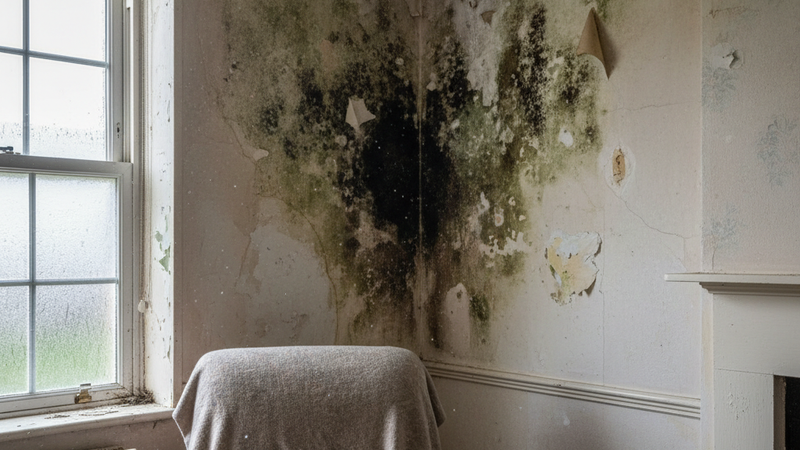
Many homeowners in the UK often overlook mould growth on the exterior of their properties, assuming it's merely an aesthetic issue. However, external mould, particularly black mould, can indicate underlying moisture problems and, if left unaddressed, can contribute to indoor mould issues while potentially compromising structural integrity. Understanding its causes and how to effectively manage it is crucial for maintaining a healthy home environment.
Understanding External Mould Growth
Mould, a type of fungi, thrives in damp, dark, and poorly ventilated conditions. While often associated with indoor spaces, its spores are ubiquitous and readily settle on outdoor surfaces when conditions are favourable. Identifying the type and extent of mould is the first step towards effective remediation.
Common Causes of External Mould
Several factors contribute to mould growth on the outside of your house. Moisture is the primary driver, often stemming from:
- Poor Drainage: Gutters and downpipes that are blocked or improperly directed can cause water to pool against walls or splash onto surfaces, creating persistent dampness.
- High Humidity: Areas with consistently high relative humidity, especially those with limited airflow, are prime breeding grounds for mould.
- Shaded Areas: North-facing walls or areas shadowed by trees and adjacent buildings receive less sunlight, slowing down the drying process after rain or dew.
- Leaking Pipes or Roofs: Persistent leaks, even minor ones from plumbing or roofing, can saturate exterior walls.
- Condensation: Cold external walls combined with warmer interior air can lead to interstitial condensation within the wall structure, migrating outwards.
Types of Mould and Visual Indicators
While many types of mould exist, several are commonly found on building exteriors:
- Black Mould (e.g., Stachybotrys chartarum, Cladosporium): Often appears as black, slimy, or powdery patches. On external walls, Cladosporium is more common and less toxic than the infamous indoor black mould.
- Green Mould: Frequently seen on wood, siding, or concrete, especially in damp, shaded areas.
- White Mould: Can resemble powdery mildew or efflorescence (salt deposits), but it often has a fuzzy texture.
- Red/Orange Mould: Less common but can appear, often mistaken for rust or algae.
Important point
Distinguishing between mould, algae, and mildew on exterior surfaces can be challenging. Algae usually presents as green or dark green slimy patches, often on damp, shaded surfaces. Mildew, a type of fungi, typically looks like a flat, powdery growth, whereas mould can be more raised and fuzzy. If in doubt, professional assessment is recommended.
Distinguishing Mould from Dirt and Algae
It's crucial to differentiate between mould, dirt, and algae. Dirt is typically inert, while algae often appears as uniform green staining on damp surfaces. Mould, however, can have a more varied texture, often fuzzy or slimy, and can penetrate deeper into porous materials. While algae is unsightly, mould can be more detrimental to materials and potentially indicates more serious moisture issues.
Health and Safety Concerns Related to External Mould
While direct exposure to exterior mould is generally less concerning than indoor mould due to ventilation, it's not without risks. Its presence can be an indicator of conditions that support indoor mould, which poses significant health concerns. Furthermore, falling mould spores can be inhaled.
Potential Health Impacts
The NHS provides guidance on the health effects of mould, noting that:
- Respiratory Issues: Inhalation of mould spores can trigger or worsen asthma, allergies, and other respiratory conditions. Symptoms include coughing, wheezing, shortness of breath, and nasal congestion.
- Skin Irritation: Direct contact with mould can cause skin rashes or irritation in sensitive individuals.
- Eye Irritation: Spores can irritate eyes, leading to redness and watering.
- Vulnerable Groups: Infants, children, the elderly, people with pre-existing respiratory conditions, and those with weakened immune systems are particularly susceptible to mould-related health issues.
For more information, refer to the NHS advice on damp and mould.
Structural and Property Damage
Beyond health, mould can cause significant property damage:
- Degradation of Building Materials: Mould feeds on organic matter, causing deterioration of wood, paint, sealants, and even some types of brick or render.
- Paint Discolouration and Peeling: Mould can stain exterior paint and cause it to blister or peel, leading to increased maintenance costs.
- Compromised Air Quality: If conditions allow, external mould can migrate indoors, especially through cracks, windows, or ventilation systems, introducing spores into your living space. This highlights the importance of addressing both internal and external mould issues comprehensively.
Worker Safety During Remediation
When undertaking mould remediation, whether DIY or professional, adherence to safety protocols is paramount. The Health and Safety Executive (HSE) provides guidance on safe working practices. This includes wearing appropriate Personal Protective Equipment (PPE) such as respirators, gloves, and eye protection to prevent spore inhalation and skin contact.
UK Regulations and Standards for Mould Remediation
Adhering to recognised standards ensures that mould remediation is conducted effectively and safely, protecting both occupants and the property. While specific external mould regulations are less stringent than internal, the principles of professional remediation still apply.
IICRC S520 Guidelines for Mould Remediation
The Institute of Inspection, Cleaning and Restoration Certification (IICRC) S520 standard provides a comprehensive framework for professional mould remediation. Although primarily focused on indoor environments, its core principles are applicable to significant external mould affecting structures:
- Assessment: Thorough investigation to identify the source of moisture and extent of mould growth.
- Containment: Preventing the spread of mould spores during remediation, especially if mould is near entry points or ventilation systems.
- Source Removal: Physically removing mouldy materials rather than just killing the mould.
- Drying: Ensuring all affected areas are thoroughly dried to prevent re-growth.
- Verification: Post-remediation inspection to confirm the effectiveness of the clean-up.
For detailed information, refer to the IICRC S520 Standard for Professional Mold Remediation.
Housing Health and Safety Rating System (HHSRS)
The Housing Health and Safety Rating System (HHSRS) is a risk assessment tool used by local authorities in England and Wales to identify and assess potential hazards in residential properties. While HHSRS primarily evaluates internal hazards, severe external mould, particularly if contributing to internal dampness or structural issues, could be a contributing factor to various Category 1 or 2 hazards such as 'Damp and Mould' or 'Structural collapse'. This has become more relevant since the introduction of Awaab's Law.
When to Involve Local Authorities or Experts
For significant or persistent external mould issues, especially if they are affecting neighbouring properties or causing structural concerns, it may be necessary to involve local council environmental health departments. For complex remediation, engaging certified mould remediation specialists is crucial.
Professional Remediation Process for External Mould
Addressing external mould effectively requires more than just scrubbing. A systematic approach ensures the mould is removed thoroughly and its return is prevented.
Initial Assessment and Source Identification
A professional assessment starts with identifying the root cause of the moisture feeding the mould. This involves:
- Visual Inspection: Surveying the entire exterior, focusing on shaded areas, northern exposures, and areas near plumbing.
- Moisture Meter Readings: To detect hidden moisture within wall materials.
- Thermal Imaging: Identifying temperature differences that could indicate water leaks or areas of high moisture.
- Drainage Analysis: Checking gutters, downpipes, and ground slopes for efficient water diversion.
Safe Mould Removal Techniques
Once the source is identified, remediation proceeds with careful removal:
- Containment: In severe cases or near entry points, establishing a barrier to prevent spore spread.
- Manual Cleaning: For smaller, surface-level mould, specialised mould cleaners or biocides can be applied and scrubbed away.
- Pressure Washing (with caution): While effective for large areas, high-pressure washing can push water into wall cavities or damage softer materials, potentially worsening the problem. Low-pressure washing with appropriate detergents is usually preferred.
- Biocide Application: A professional-grade biocide is often applied to kill mould spores and inhibit future growth, especially on porous surfaces.
- Material Replacement: Severely compromised materials that cannot be safely cleaned may need to be replaced.
Post-Remediation Verification and Drying
After removal, the area must be thoroughly dried and verified:
- Drying Protocols: Ensuring all surfaces are completely dry using natural ventilation or professional drying equipment.
- Restoration of Moisture Control: Repairing leaks, improving drainage, or addressing condensation issues.
- Final Inspection: A professional will conduct a final inspection to confirm all mould has been removed and the underlying moisture issue resolved.
Prevention and Long-Term Maintenance
Preventing mould re-growth is a continuous effort that involves good property maintenance and proactive moisture control. Consistent vigilance can save you significant repair costs down the line.
Effective Moisture Management Strategies
Controlling moisture is the cornerstone of mould prevention:
- Maintain Gutters and Downpipes: Regularly clear leaves and debris to ensure water flows freely away from the house. Consider extending downspouts away from the foundation.
- Improve Exterior Drainage: Ensure ground slopes away from your property. Consider French drains or regrading if necessary.
- Repair Leaks Promptly: Address roof leaks, pipe leaks, and window frame seal failures immediately.
- Trim Back Vegetation: Keep trees and shrubs trimmed away from the house to improve airflow and sunlight exposure on exterior walls.
Applying Anti-Mould Coatings and Paints
Once mould has been remediated and the surface dried, applying protective coatings can offer an extra layer of defence:
- Anti-Mould Paints: These paints contain fungicides that inhibit mould growth and are suitable for exterior walls in prone areas.
- Sealants: Ensuring all cracks and gaps in rendering, brickwork, and around windows/doors are properly sealed prevents moisture ingress.
Regular Inspection and Cleaning Routine
A proactive approach involves regular checks and maintenance:
- Annual Exterior Clean: Using a mild detergent and brush to clean susceptible areas can prevent mould and algae from taking hold.
- Check for Early Signs: Periodically inspect your property for early signs of dampness, staining, or initial mould growth, especially during damper seasons.
- Ventilation: Ensure adequate ventilation around the house, which can sometimes be blocked by vegetation or additions.
When to Call Professional Mould Remediation Specialists
While minor mould issues on surfaces can often be handled by homeowners, there are clear instances where professional intervention is not just recommended, but essential. Mould remediation goes beyond simple cleaning; it involves identifying the root cause, safely removing the contamination, and preventing its return.
Signs of Extensive or Persistent Mould
You should consider professional help if:
- Large Areas of Mould: If mould covers more than a square metre of an external surface, indicating a significant underlying issue.
- Recurrent Mould: Despite your best efforts, mould keeps returning, suggesting the moisture source hasn't been fully identified or addressed.
- Mould Near HVAC or Vents: If mould is growing near air intake vents or outlets, spores could be drawn into the property, impacting indoor air quality.
- Visible Damage to Materials: If the mould is causing visible deterioration to your walls, rendering, or window frames.
Suspected Hidden Moisture or Structural Concerns
Our expertise in detecting hidden moisture can be crucial:
- Interior Mould Accompanying Exterior Mould: If you're noticing mould inside your home where external mould is present, it's a strong indicator of a systemic moisture problem that needs expert diagnosis.
- Unexplained Damp Patches: If external walls feel persistently damp, even in dry weather, there could be a hidden leak or structural issue.
- Cracked or Damaged Render/Brickwork: These can allow water ingress into the wall cavity, leading to unseen mould growth and potential structural issues. Research from universities like Bath highlights the complexity of moisture in building materials.
Benefits of Professional Assessment and Remediation
Engaging professional mould remediation specialists offers numerous advantages:
- Expert Diagnosis: Professionals use advanced tools for accurate identification of mould types and moisture sources.
- Safe and Effective Removal: Adherence to IICRC S520 standards ensures mould is removed safely and completely, preventing cross-contamination.
- Long-Term Solutions: Addressing the root cause prevents recurrence, saving future costs.
- Industry-Standard Equipment: Access to specialist equipment for cleaning, drying, and air purification.
- Health Protection: Minimises exposure risks for occupants and ensures a healthier living environment.
Don't let external mould compromise your home. For an estimate of costs, try our mould removal cost calculator or contact a professional directly for a comprehensive assessment.