Comprehensive Mold Removal Guide for UK Homes
Discover how to effectively remove mold from your home, understand health risks, UK regulations, and prevention strategies with our expert guide.
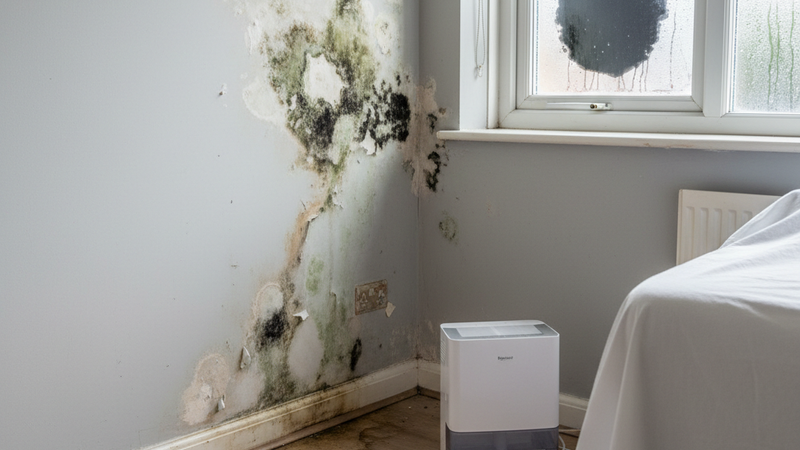
Mold growth in homes is a common yet persistent issue across the UK, not only compromising the aesthetics and structural integrity of a property but also posing significant health risks to its occupants. This comprehensive guide provides homeowners with essential information on identifying, safely removing, and preventing mold, all while adhering to industry best practices and UK-specific guidelines.
Understanding Mold Growth in UK Homes
Mold, a type of fungi, thrives in damp, poorly ventilated environments with an available food source. In the UK's often humid climate, homes are particularly susceptible. Understanding its nature is the first step towards effective remediation.
What is Mold and Why Does It Grow?
Mold reproduces through microscopic spores that are naturally present in the air, both indoors and outdoors. When these spores land on a damp surface with organic matter (like plasterboard, wood, fabric, or dust), they begin to colonise and multiply. Common causes of dampness in UK homes include:
- Condensation: Often seen on windows, cold walls, or in bathrooms/kitchens due to poor ventilation.
- Leaks: From roofs, pipes, or appliances, often hidden within walls or under floors.
- Rising Damp: Moisture from the ground travels up through walls if a damp proof course is missing or damaged.
- Penetrating Damp: Water seeping in through cracked masonry, faulty gutters, or damaged render.
Identifying the root cause of dampness is crucial for a lasting solution, beyond just surface cleaning. Without addressing the moisture source, mold will almost certainly return.
Common Types of Household Mold in the UK
While there are thousands of mold species, a few are commonly found in UK homes. Their appearance can vary, but most indicate a moisture problem. Common types include:
- Cladosporium: Often black or dark green, found on textiles, wood, and insulation.
- Aspergillus: Various colours, common on damp walls and dust.
- Penicillium: Blue-green, often found on materials damaged by water.
- Stachybotrys chartarum (Black Mold): A greenish-black, slimy mold, often associated with significant water damage. While often sensationalised, it's just one of many molds that can pose health risks.
Regardless of the colour or type, all visible mold should be treated seriously due to potential health implications and damage to property.
Important point
Never attempt to identify mold types by smell or touch. If you suspect black mold, exercise caution and consider professional assessment.
Health and Safety Concerns of Mold Exposure
Exposure to mold can have a range of adverse health effects, particularly for vulnerable individuals. The National Health Service (NHS) provides valuable guidance on these risks, which homeowners must take seriously.
Potential Health Effects
Mold spores, when inhaled or touched, can trigger allergic reactions, respiratory problems, and other health issues. According to the NHS website, symptoms can include:
- Wheezing, coughing, and shortness of breath
- Nasal stuffiness, sore throat, and sneezing
- Runny nose and eye irritation
- Skin irritation or rashes
- Headaches and fatigue
- For individuals with asthma, mold can trigger severe attacks. Those with compromised immune systems or chronic lung diseases are also at higher risk of mold-related infections.
Protecting Yourself During Remediation
If tackling small mold patches yourself, appropriate personal protective equipment (PPE) is essential to minimise exposure to spores and cleaning agents. The Health and Safety Executive (HSE) offers guidance on workplace safety which can be adapted for home use.
- Gloves: Use rubber or nitrile gloves to protect skin contact.
- Eye Protection: Goggles or safety glasses prevent spores from entering the eyes.
- Respiratory Protection: An FFP2 or FFP3 respirator mask is crucial to filter out airborne mold spores. Simple surgical masks are inadequate.
- Ventilation: Ensure the area is well-ventilated during and after the cleaning process, but avoid spreading spores to unaffected areas.
For extensive mold growth, professional remediators utilise advanced PPE and containment strategies to safeguard both occupants and technicians. You can find more information on HSE guidelines here.
UK Regulations and Industry Standards for Mold Remediation
While there isn't one single UK law specifically for household mold, several regulations and industry standards guide its management, ensuring that property owners and tenants are protected.
Housing Health and Safety Rating System (HHSRS)
The Housing Health and Safety Rating System (HHSRS) is a risk assessment tool used by local councils in England and Wales to identify and assess potential hazards in residential properties. Damp and mold growth are classified as a significant hazard under the HHSRS. If a property is found to have damp and mold posing a Category 1 hazard, local authorities can compel landlords to take action.
Key takeaway from HHSRS
Landlords have a legal responsibility to provide a safe and healthy environment. Significant mold growth indicates a failure in adequate maintenance and can lead to enforcement action. More details can be found on the gov.uk website.
IICRC S520 and UK Industry Best Practices
The Institute of Inspection, Cleaning and Restoration Certification (IICRC) sets global standards for various restoration services, including mold remediation. The IICRC S520 Standard for Professional Mold Remediation is widely accepted as the authoritative guideline in the UK for professional mold removal.
This standard outlines a systematic approach, including:
- Assessment: Identifying the type, extent, and moisture source of mold.
- Containment: Preventing the spread of mold spores to unaffected areas.
- Air Filtration: Using HEPA filters to clean the air.
- Moisture Control: Addressing and fixing the source of water/dampness.
- Removal: Physically removing mold-contaminated materials.
- Sanding & Cleaning: Thorough cleaning and drying of affected surfaces.
- Post-Remediation Verification: Ensuring the mold has been successfully removed and the environment is healthy.
Adherence to these standards ensures safe, effective, and long-lasting mold remediation, protecting both the property and its inhabitants.
Awaab's Law and Landlord Responsibilities
The implementation of Awaab's Law on 27 October 2025, named after two-year-old Awaab Ishak who died due to prolonged exposure to black mould in his home, signifies a crucial shift in landlord responsibilities. This legislation requires social housing landlords in England to investigate damp and mould within 10 working days, report in writing within 3 working days of the investigation ending, and begin making the home safe within 5 working days where a significant hazard is found. While primarily targeting social housing, its principles reinforce the broader expectation of safe and healthy living conditions for all tenants in the UK.
The Professional Mold Remediation Process
When mold growth is extensive, covers a large area (more than 10 square feet), or recurs despite cleaning, professional remediation is the safest and most effective course of action. Following IICRC S520, our professional process ensures thorough and lasting results.
Initial Inspection and Moisture Detection
A professional remediation process begins with a meticulous inspection to accurately assess the mold situation. This involves:
- Visual Inspection: Identifying visible mold and areas of potential growth.
- Moisture Mapping: Using specialised tools like thermal imaging cameras and moisture meters to locate hidden dampness behind walls, under floors, or in ceilings.
- Air and Surface Sampling (if necessary): To determine types of mold and airborne spore levels, particularly in cases of suspected hidden mold or health concerns.
- Identifying the Source: Crucially, we pinpoint and recommend solutions for the underlying moisture problem (e.g., leak repair, ventilation issues).
Containment, Removal, and Air Filtration
Once the assessment is complete, we implement a controlled remediation strategy:
- Containment: Setting up physical barriers (e.g., plastic sheeting, negative air pressure) to prevent the spread of mold spores to unaffected areas of the home.
- Air Filtration: Utilising High-Efficiency Particulate Air (HEPA) air scrubbers to continuously filter airborne mold spores from the enclosed work area.
- Removal of Contaminated Materials: Non-salvageable porous materials (e.g., plasterboard, insulation, carpets) are carefully removed, bagged, and disposed of according to regulations.
- Surface Cleaning: Non-porous or semi-porous surfaces are thoroughly cleaned using approved antimicrobial agents (biocides authorised for use in the UK) and then physically scrubbed and HEPA vacuumed to remove all mold residues.
Drying, Decontamination, and Post-Remediation Verification
The final stages ensure the property is fully restored and free from mold:
- Thorough Drying: Industrial-grade dehumidifiers and air movers are used to thoroughly dry all affected areas, ensuring moisture levels return to normal.
- Decontamination: Application of appropriate biocides or encapsulants (where necessary and appropriate) to prevent future growth and seal surfaces.
- Post-Remediation Verification (PRV): An independent third-party inspection and testing can be arranged to confirm that mold levels have returned to normal baseline levels and the property is safe for re-occupancy. This provides peace of mind and demonstrable proof of effective remediation.
Prevention and Maintenance for a Mold-Free Home
The most effective approach to mold is prevention. By adopting good habits and addressing potential issues early, UK homeowners can significantly reduce the risk of mold growth.
Controlling Humidity and Improving Ventilation
Moisture is mold's best friend. Managing humidity levels and ensuring adequate airflow are paramount:
- Ventilation: Open windows regularly, especially in kitchens and bathrooms during and after showering/cooking. Use extractor fans and ensure they are maintained.
- Dehumidifiers: In particularly damp areas or during winter, a dehumidifier can help keep indoor humidity below 60%.
- Heating: Keep your home consistently heated, avoiding extreme temperature fluctuations that can lead to condensation.
- Window Condensation: Wipe down condensation from windows every morning to prevent water pooling and mold growth on frames.
Addressing Moisture Sources and Regular Cleaning
Proactive maintenance and prompt action on dampness are crucial:
- Fix Leaks Promptly: Repair leaky roofs, pipes, and plumbing fixtures immediately. Regularly check for signs of leaks (water stains, peeling paint).
- Maintain Gutters and Drains: Ensure gutters are clear and downspouts direct water away from the foundation.
- Insulation: Proper insulation can help regulate indoor temperatures and reduce condensation on cold surfaces.
- Regular Cleaning: Clean and dry bathrooms, kitchens, and other damp-prone areas regularly. Use mold-inhibiting cleaning products where appropriate.
- Declutter: Move furniture slightly away from external walls to allow air circulation and prevent hidden mold growth.
Sustainable Damp Solutions
Consider passive ventilation solutions or heat recovery systems for long-term humidity control, particularly in older UK properties. Universities like UCL often conduct research into sustainable building practices and healthy indoor environments.
When to Call Professional Mold Remediation Specialists
While small patches of surface mold can often be managed by homeowners, there are clear indicators when professional intervention is required to safeguard your health and property.
Signs it's Time for Professional Help
Don't hesitate to seek expert advice if you encounter any of the following:
- Large Area of Growth: If mold covers an area larger than 10 square feet (roughly 1 square metre), or affects multiple areas.
- Recurrent Mold: If mold keeps returning after cleaning, it indicates the underlying moisture source hasn't been adequately addressed.
- Hidden Mold: If you smell a musty odour but cannot see visible mold, it suggests hidden growth behind walls, under floors, or in ceilings.
- Health Concerns: If occupants are experiencing persistent health issues that you suspect are linked to mold exposure.
- Suspected Black Mold: While all mold should be treated with caution, areas of greenish-black, slimy mold, particularly after significant water damage, warrant professional assessment.
- HVAC System Contamination: Mold in your heating, ventilation, and air conditioning system can spread spores throughout your entire home.
- Significant Water Damage: If the mold growth resulted from significant flooding or a major leak, structural integrity may be compromised, and professional drying and remediation are essential.
Benefits of Professional Mold Removal
Engaging certified mold remediation specialists provides numerous advantages:
- Expert Assessment: Professionals can accurately identify the mold type, extent, and crucially, the source of moisture.
- Safe Removal: Using appropriate PPE, containment, and negative air pressure ensures mold spores are not spread during removal.
- Thorough Remediation: We have the tools and expertise to properly remove mold from porous and non-porous materials, addressing hidden growth.
- Prevention of Recurrence: Professionals don't just clean; they identify and resolve the root cause of the dampness, offering long-term prevention strategies.
- Health Protection: Minimises exposure risks for you and your family.
- Peace of Mind: Knowing the job is done correctly to industry standards (like IICRC S520) provides assurance that your home is safe and healthy.
For more insights into the costs involved, refer to our mould removal cost calculator. If you have further questions or need guidance on any aspect of mold management, feel free to explore our blog for related articles and expert advice.