Understanding & Remediating Mould Systems in UK Properties
Demystify mould systems, their impact on health and property, and the IICRC S520-driven professional remediation processes used in the UK.
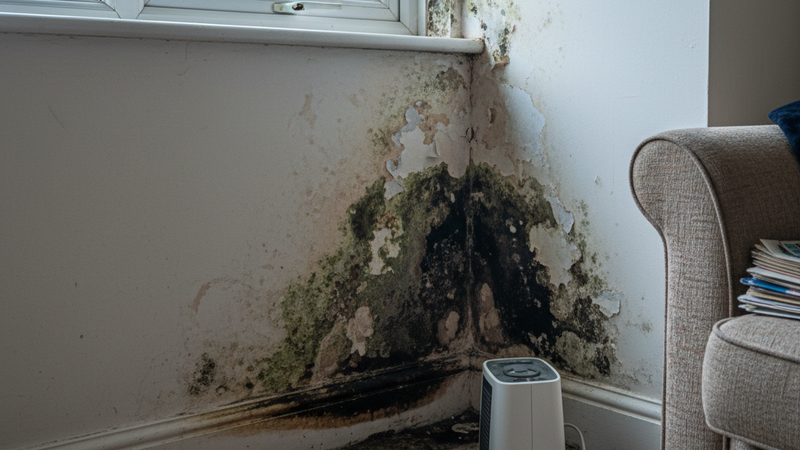
Mould, often colloquially referred to as 'mould systems' when discussing its pervasive presence and growth patterns within a building's environment, is a common and unwelcome guest in many UK properties. Far from being a mere aesthetic nuisance, its presence signifies underlying moisture issues and can pose significant health risks and structural damage if left unaddressed. This comprehensive guide will delve into what mould systems entail, their impact, and the professional approaches to their remediation, aligning with leading industry standards.
What Are Mould Systems? Understanding the Issue
When we speak of 'mould systems,' we are referring to the complex interplay of factors that allow mould to establish, grow, and spread within a building. It's not just about the visible spores; it encompasses the source of moisture, suitable substrates, temperature, and the airborne dissemination of mould spores throughout an indoor environment. Understanding this interconnected system is crucial for effective diagnosis and remediation.
The Biology of Mould Growth
Moulds are microscopic fungi that are ubiquitous in our natural environment, reproducing by means of spores. These spores are always present in the air, both indoors and outdoors. For mould to colonise and grow, it requires four essential elements:
- Moisture: This is the most critical factor. Mould thrives in damp conditions, whether from leaks, condensation, humidity, or flooding.
- Food Source (Organic Material): Mould can feed on almost any organic material found in homes, including wood, plasterboard, insulation, fabric, wallpaper adhesive, and even dust.
- Temperature: Most moulds prefer temperatures similar to those found in homes (typically 20-30°C), though some can grow in colder conditions.
- Oxygen: Mould needs air to survive, which is readily available in buildings.
Common Sources of Moisture in UK Properties
Identifying and rectifying the moisture source is paramount to controlling a mould system. Common culprits in UK homes include:
- Condensation: Often a result of poor ventilation and inadequate heating, particularly prevalent in bathrooms, kitchens, and bedrooms.
- Leaks: From plumbing, roofs, windows, or gutters.
- Rising Damp: Moisture drawn up from the ground into walls.
- Penetrating Damp: Moisture seeping through external walls due to faulty rendering, brickwork, or blocked gutters.
- Post-Flood/Water Damage: Inadequate drying after a flood event can lead to extensive mould growth.
Health & Safety Concerns Posed by Mould Systems
The presence of mould is not just an aesthetic issue; it can profoundly impact the health of occupants and the structural integrity of a building. Recognizing these risks is essential for timely intervention and protection.
Health Impacts on Occupants
Mould produces allergens, irritants, and sometimes toxic substances (mycotoxins). Inhaling or touching mould spores can lead to a range of health problems, particularly for sensitive individuals. The NHS provides guidance on these risks.
- Allergic Reactions: Sneezing, runny nose, red eyes, skin rash.
- Respiratory Issues: Asthma flare-ups, wheezing, coughing, shortness of breath, especially in those with pre-existing conditions.
- Irritation: Eye, nose, throat, and skin irritation.
- Other Symptoms: Fatigue, headaches, and in rare cases, more severe health consequences.
Important point
Children, the elderly, individuals with respiratory conditions (e.g., asthma), and those with compromised immune systems are particularly vulnerable to mould-related health issues.
Structural Damage to Properties
Beyond health, mould actively degrades organic materials, leading to costly property damage over time. This includes:
- Weakening of timber structures (e.g., floor joists, roof trusses).
- Damage to plasterboard, insulation, and paintwork.
- Discoloration and staining of surfaces.
- Deterioration of fabrics, carpets, and furnishings.
The financial implications of ignoring mould can be substantial, leading to extensive repair and replacement costs.
UK Regulations and Standards for Mould Remediation
In the UK, addressing mould goes beyond best practice; it's increasingly governed by established standards and legal obligations, particularly in rented properties. Adhering to these ensures effective and safe remediation.
IICRC S520: The Gold Standard for Mould Remediation
The Institute of Inspection, Cleaning and Restoration Certification (IICRC) S520 is the internationally recognised standard and reference guide for professional mould remediation. While not a strict legal requirement in the UK, it is widely adopted by reputable professionals and is considered the benchmark for effective, safe, and ethical mould removal. It outlines:
- Assessment: Thorough inspection and scope of work development.
- Containment: Preventing cross-contamination to unaffected areas.
- Air Filtration: Using HEPA filters to clean the air.
- Source Removal: Physically removing mouldy materials, not just killing the mould.
- Moisture Control: Identifying and fixing the underlying damp issue.
- Post-Remediation Verification: Ensuring the remediation has been successful.
Choosing a professional adhering to IICRC S520 principles ensures a comprehensive and lasting solution.
Housing Health and Safety Rating System (HHSRS) & Awaab's Law
For landlords and social housing providers in the UK, the Housing Health and Safety Rating System (HHSRS) designates damp and mould as a serious hazard. Landlords have a legal duty to address significant mould issues. Awaab's Law, in force for social landlords in England since 27 October 2025, further strengthens tenant rights, requiring social landlords to investigate and fix hazards like mould within strict timeframes. Failure to comply can result in enforcement action and significant penalties.
Health and Safety Executive (HSE) Guidance
The HSE provides guidance for employers and those responsible for premises to manage health risks from damp and mould. While primarily for workplaces, its principles underscore the importance of protecting individuals from mould exposure, which is relevant to any professional remediation activity.
The Professional Mould Remediation Process
Effective mould remediation, especially for extensive 'mould systems,' is a systematic process that prioritises safety, containment, and thorough removal. It goes far beyond simply cleaning visible mould.
Assessment and Scope of Work
- Initial Inspection: Identifying the extent of mould growth, moisture sources, and affected materials.
- Moisture Mapping: Using specialised equipment to trace moisture pathways and locate hidden dampness.
- Categorisation: Determining the category of mould contamination (under IICRC S520, Condition 1 is normal fungal ecology, Condition 2 is settled spores from a nearby colony and Condition 3 is actual mould growth, which dictates the level of containment and whether professional intervention is required).
- Remediation Plan: Developing a detailed plan outlining procedures, safety measures, equipment, and timelines.
Containment and Air Filtration
- Containment Barriers: Erecting physical barriers (e.g., polyethylene sheeting) to isolate the contaminated area and prevent spores from spreading.
- Negative Air Pressure: Using negative air machines with HEPA filters to create negative pressure within the containment, ensuring air flows into, not out of, the work area, and continuously scrubbing mould spores from the air.
- Personal Protective Equipment (PPE): Technicians wear appropriate PPE, including respirators, gloves, and protective clothing, to prevent exposure.
Mould Removal and Drying
- Source Removal: Affected porous materials (e.g., plasterboard, insulation, carpeting) are carefully removed and bagged for disposal. Non-porous surfaces can often be cleaned.
- Biocide Application (if necessary): In some cases, a biocide may be used on treated surfaces, but physical removal remains the primary method for porous materials.
- HEPA Vacuuming: All surfaces within the containment are thoroughly HEPA vacuumed to remove remaining spores.
- Structural Drying: Once mould is removed and the moisture source fixed, the affected area is thoroughly dried using industrial dehumidifiers and air movers to prevent recurrence.
Post-Remediation Verification & Clearance
This crucial step ensures the remediation has been successful before re-occupancy. It typically involves:
- Visual inspection by a certified professional.
- Moisture readings to confirm dryness.
- Air sampling or surface sampling (optional, but recommended for sensitive individuals or large outbreaks) to confirm spore levels have returned to normal baseline levels.
Our commitment
We believe in transparency and efficacy. Professional remediation processes strictly adhere to IICRC S520 guidelines, ensuring your property is safe and mould-free. To understand potential costs, use our mould removal cost calculator.
Prevention and Maintenance for a Mould-Free Home
Preventing mould is always more cost-effective and healthier than dealing with an established mould system. Proactive measures are key to long-term mould control.
Controlling Humidity and Ventilation
- Ventilate Regularly: Open windows daily, especially after showering, cooking, or drying laundry indoors.
- Extractor Fans: Ensure bathrooms and kitchens have working extractor fans and use them consistently.
- Dehumidifiers: Use dehumidifiers in damp areas or during humid seasons to keep indoor relative humidity below 60%.
- Heating: Maintain a consistent, moderate indoor temperature to prevent cold spots where condensation can form.
Addressing Moisture Sources Promptly
- Fix Leaks: Repair any plumbing, roof, or window leaks immediately.
- Inspect Gutters & Downpipes: Keep them clear and in good repair to ensure proper drainage away from the property.
- Ground Level Checks: Ensure exterior ground levels slope away from the house foundation.
- Dry Thoroughly: After any spills or water intrusions, dry the affected area completely within 24-48 hours.
Regular Cleaning and Monitoring
- Clean Surfaces: Regularly clean and dry hard surfaces in bathrooms and kitchens.
- Inspect Hidden Areas: Check behind furniture, under sinks, and in often-overlooked spots for signs of dampness or mould.
- Avoid Over-filling Wardrobes/Cupboards: Allow air circulation in storage areas.
When to Call Professional Mould Remediation Specialists
While small patches of surface mould might be tackled by homeowners with care, extensive mould systems require professional intervention. Knowing when to call in the experts protects your health and your property.
Signs Indicating Professional Help is Needed
- Large Areas of Mould: If the mould covers an area larger than one square metre (approximately 3ft x 3ft).
- Odour Without Visible Mould: A persistent musty smell often indicates hidden mould growth within walls or under flooring.
- Health Symptoms: If occupants are experiencing unexplained health issues linked to the property.
- After Water Damage: If mould appears after a flood or significant water leak, professional assessment is crucial due to potential hidden contamination.
- Vulnerable Occupants: If anyone in the property is immunocompromised, has severe allergies, or respiratory conditions.
The Value of Professional Expertise
Professional mould remediators have the expertise, specialised equipment, and adherence to standards like IICRC S520 to:
- Accurately identify the source and extent of the mould system.
- Implement proper containment to prevent cross-contamination.
- Safely remove mould from affected materials.
- Thoroughly dry the structure to prevent recurrence.
- Provide post-remediation verification for peace of mind.
Attempting to deal with large or complex mould systems yourself can expose you to health risks and may not fully resolve the problem, potentially leading to its return.
Choosing the Right Remediation Company
When selecting a remediation specialist, consider:
- Certifications: Look for IICRC-certified technicians.
- Experience: Choose a company with a proven track record.
- Insurance: Ensure they have adequate public liability and professional indemnity insurance.
- Clear Communication: They should provide a detailed scope of work and transparent pricing.
- Guarantees: Inquire about any guarantees on their work.
For more insights and tips, explore our blog on mould prevention and remediation.