Tackling Your Mould Problem: A UK Guide to Remediation
Discover effective strategies for addressing mould problems in your UK property. Learn about health risks, regulations, and professional remediation.
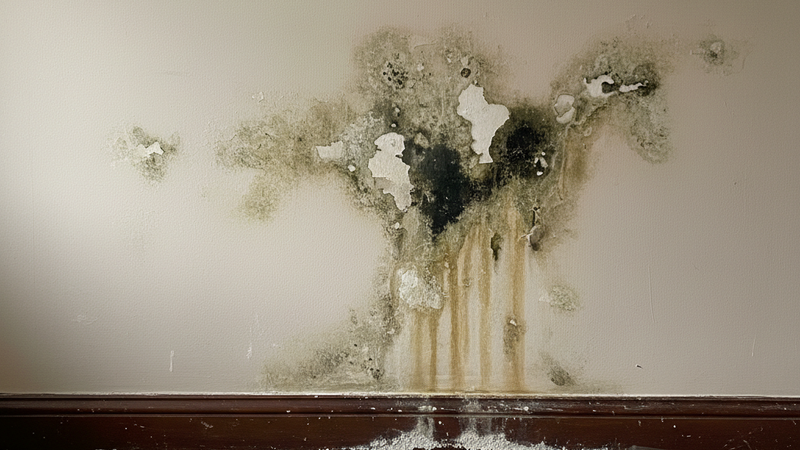
Mould, a common and unwelcome guest in many UK homes and businesses, can pose significant health risks and cause structural damage if left unaddressed. Understanding the nature of a mould problem, its causes, and effective remediation strategies is crucial for maintaining a healthy indoor environment and preserving property value. This comprehensive guide provides essential information for UK residents dealing with mould, drawing on established professional standards and local regulations.
Understanding the UK Mould Problem
Mould is a type of fungus that grows in damp conditions, reproducing by releasing microscopic spores into the air. These spores are ubiquitous in the environment but only colonise surfaces when moisture is consistently present. In the UK's often humid climate, properties are particularly susceptible to mould growth, especially in areas with poor ventilation, leaks, or condensation issues.
What is Mould and Where Does it Grow?
Mould comes in various forms and colours, including black, green, white, or orange, and often has a musty odour. Common types found in UK properties include Cladosporium, Penicillium, Alternaria, and Aspergillus, with Stachybotrys chartarum (often referred to as 'black mould') being a particular concern due to its potential to produce mycotoxins. Mould thrives on organic materials such as wood, plasterboard, carpets, and fabrics, and can often be found in bathrooms, kitchens, basements, and around windows where condensation accumulates.
Identifying the source of moisture is paramount to effective mould management. Common causes include:
- Leaking pipes or roofs: Undetected leaks can keep building materials perpetually damp.
- Condensation: Poor ventilation in high-humidity areas like bathrooms and kitchens.
- Rising damp: Moisture seeping up from the ground through walls.
- Penetrating damp: Water ingress through external walls due to cracks or damaged pointing.
- Flooding: Water damage from burst pipes or external flooding.
Common Misconceptions About Mould
Many people underestimate the severity of a mould problem. A common misconception is that a simple wipe-down with bleach will solve the issue. While bleach can kill surface mould, it doesn't address the underlying moisture source, and mould roots (hyphae) can penetrate deep into porous materials, leading to regrowth. Furthermore, disturbing mould without proper containment can release millions of spores, spreading the contamination and increasing health risks. It's also important to note that the visible presence of mould is often just a symptom; extensive hidden mould can exist behind walls or under flooring.
Important point
Never attempt to remove large areas of mould (greater than 1 square metre) yourself without proper training and personal protective equipment (PPE). Always address the moisture source first.
Health & Safety Concerns in the UK
Exposure to mould spores can have a range of adverse health effects, particularly for vulnerable individuals. The UK Health Security Agency (UKHSA) and the NHS consistently highlight the dangers of living in damp and mouldy conditions.
Health Impacts of Mould Exposure
Mould spores, when inhaled or touched, can trigger allergic reactions and respiratory problems. According to NHS guidance on damp and mould, common symptoms include:
- Respiratory issues: Wheezing, coughing, shortness of breath.
- Allergic reactions: Sneezing, runny nose, red eyes, skin rash.
- Asthma exacerbation: Mould can trigger and worsen asthma attacks.
- Weakened immune systems: Individuals with compromised immunity may develop more serious infections.
Children, the elderly, and individuals with pre-existing respiratory conditions are particularly susceptible. The tragic case of Awaab Ishak brought national attention to the severe health consequences of prolonged exposure to mould, prompting initiatives like Awaab's Law to improve housing standards.
Workplace Regulations and Safety (HSE)
For workplaces in the UK, the Health and Safety Executive (HSE) provides guidance on managing risks related to mould. Employers have a duty of care to ensure the health, safety, and welfare of their employees, which includes addressing mould in the workplace. While there isn't a specific UK legal limit for mould exposure, employers must conduct risk assessments and take reasonable steps to prevent mould growth and remediate existing issues to protect workers. The Control of Substances Hazardous to Health (COSHH) Regulations 2002 may also apply, requiring employers to control exposure to biological agents like mould.
UK Regulations and Industry Standards
Addressing mould in the UK involves adhering to several key regulations and industry-recognised standards designed to ensure safe and effective remediation.
IICRC S520: The Gold Standard for Mould Remediation
The Institute of Inspection, Cleaning and Restoration Certification (IICRC) S520 is the globally recognised standard for professional mould remediation. While not a UK specific law, it is widely adopted by reputable mould remediation specialists in the UK as a benchmark for best practice. The IICRC S520 provides a comprehensive set of procedures and principles for identifying, assessing, and remediating mould in buildings, covering aspects such as:
- Initial assessment and documentation
- Containment strategies to prevent cross-contamination
- Personal protective equipment (PPE) requirements
- Safe removal and disposal of contaminated materials
- Cleaning and disinfection protocols
- Moisture control and prevention of recurrence
- Post-remediation verification
Choosing a company that follows IICRC S520 guidelines ensures a professional, thorough, and safe remediation process.
Housing Health and Safety Rating System (HHSRS)
For rented properties, the Housing Health and Safety Rating System (HHSRS), which applies throughout England and Wales, assesses 29 housing hazards, including damp and mould growth. Local authorities use HHSRS to identify risks to health and safety in residential properties. Severe mould can be classified as a Category 1 hazard, requiring landlords to take immediate action to mitigate the risk. Landlords have a legal responsibility to ensure their properties are safe and free from hazards like serious mould. More information can be found on the gov.uk website.
Professional Mould Remediation Process
When faced with a significant mould problem, engaging professional remediation services is essential. A structured approach ensures effective and lasting removal.
Assessment and Containment
The first step for professional mould remediation specialists is a thorough assessment. This involves identifying the extent of the mould growth, pinpointing the moisture source, and determining the types of materials affected. Air quality testing and surface sampling may be conducted to understand the nature and concentration of mould spores. Following assessment, containment measures are put in place. This includes setting up physical barriers (e.g., plastic sheeting) and using negative air pressure machines (air scrubbers with HEPA filters) to prevent mould spores from spreading to unaffected areas of the property during the remediation process.
Removal and Treatment
Once contained, affected materials are carefully removed and disposed of according to strict waste management protocols. Non-porous surfaces are cleaned using specialised antimicrobial solutions. For porous materials like plasterboard, insulation, or carpet that are heavily contaminated, removal is often the only effective option as mould roots can be deeply embedded. After removal, the area is thoroughly cleaned, HEPA vacuumed, and treated with an appropriate antimicrobial agent to kill any remaining mould and spores. Deodorisation equipment, such as ozone generators (used carefully and professionally) or hydroxyl generators, may be used to eliminate persistent musty odours.
Post-Remediation Verification
The final, crucial step is post-remediation verification. This involves a comprehensive inspection to ensure all visible mould has been removed and that the underlying moisture problem has been resolved. In some cases, post-remediation air sampling or surface testing may be conducted by an independent third-party hygienist to confirm that mould spore levels have returned to normal, baseline levels, ensuring the property is safe for reoccupation. This verification provides peace of mind and confirms the effectiveness of the remediation efforts, adhering to principles outlined by bodies like the IICRC.
Prevention and Maintenance
Once a mould problem is remediated, preventing its return is key. Proactive measures can significantly reduce the risk of mould growth in your UK property.
Controlling Moisture and Ventilation
The most effective way to prevent mould is by controlling moisture. This means:
- Adequate Ventilation: Ensure proper ventilation in bathrooms and kitchens using extractor fans, and open windows regularly, even for short periods.
- Repair Leaks Promptly: Fix any leaky pipes, roofs, or windows as soon as they are detected.
- Manage Condensation: Use dehumidifiers in damp areas, ensure lofts are well-insulated and ventilated to prevent condensation, and keep indoor temperatures consistent.
- Dry Wet Areas: Immediately dry any spills or wet areas within 24-48 hours.
- Exterior Maintenance: Maintain gutters and downpipes, and ensure external walls are free from cracks to prevent penetrating damp.
Monitoring and Regular Checks
Regularly inspect your property for signs of damp or mould, especially in known problem areas. Check behind furniture, inside cupboards, and around windows. Pay attention to musty odours, which can indicate hidden mould. Consider investing in a hygrometer to monitor indoor humidity levels, aiming for a relative humidity between 40% and 60%.
When to Call Professional Mould Remediation Specialists
While small patches of mould on non-porous surfaces might be tackled with domestic cleaning products, professional intervention is often necessary and highly recommended in many scenarios.
Indicators for Professional Intervention
You should always contact professional mould remediation specialists if:
- The mould covers an area larger than 1 square metre (roughly a metre by a metre, or about eight A3 sheets of paper).
- You suspect the mould is growing behind walls, under flooring, or in inaccessible areas.
- There has been significant water damage from a flood or burst pipe.
- You or anyone in the property experiences unexplained health issues that could be linked to mould exposure.
- You can smell a musty odour but cannot see any visible mould (indicating hidden growth).
- The mould returns quickly after DIY cleaning attempts.
Professional services ensure not just the removal of visible mould, but also the identification and mitigation of the underlying cause, preventing recurrence and safeguarding health. Discover more about potential mould removal costs.
Further Reading & Resources
For more in-depth scientific understanding, consider resources from academic institutions specializing in environmental health research, such as the University of Bath's research into healthy buildings or similar studies from University of Sheffield's architectural research into indoor environments. For general advice, see our blog on related topics.
Choosing a Qualified UK Remediation Company
When selecting a mould remediation company in the UK, look for credentials and experience. Prioritise companies that:
- Adhere to IICRC S520 standards and employ certified technicians.
- Provide comprehensive assessments and detailed remediation plans.
- Offer post-remediation verification, often by an independent hygienist.
- Are fully insured and can provide references.
- Demonstrate a clear understanding of UK specific landlord/tenant laws if applicable.
A professional approach guarantees not only mould removal but also peace of mind, knowing your property is safe and healthy.