Moulds in Your UK Home: Identification, Risks & Remediation
Understanding mould growth in UK properties is crucial for health and structural integrity. Learn about identification, health risks, and professional remediation.
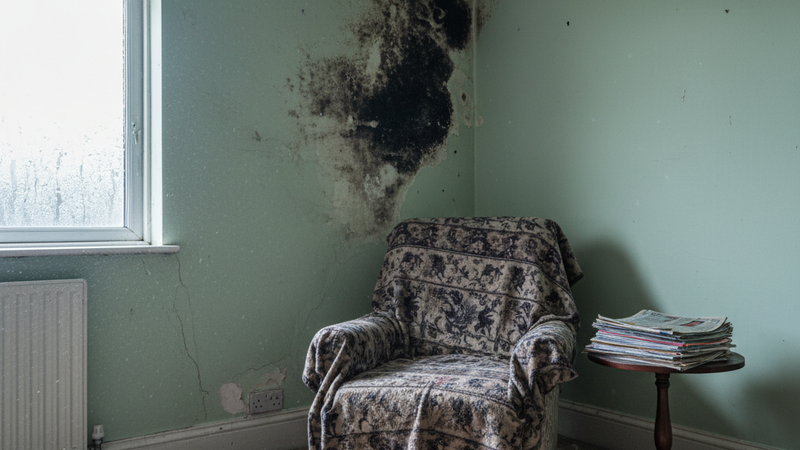
Mould, or 'molds' as often referred to internationally, is a common issue affecting many UK properties, particularly due to our damp climate. This comprehensive guide will explore what mould is, its implications for health and property, and how professional remediation, aligned with IICRC S520 standards, can effectively address this pervasive problem.
Understanding Mould Growth in UK Properties
What Precisely is Mould?
Mould is a type of fungi that reproduces via airborne spores. It thrives in damp, humid environments with an organic food source – which, unfortunately, describes most building materials in a typical home. From plasterboard to timber and even fabrics, if moisture is present, mould can take hold and proliferate rapidly. It doesn't just look unsightly; it actively degrades materials over time.
Identifying mould often involves noticing discoloured patches, which can appear in various colours including black, green, brown, or white, accompanied by a distinctive musty odour. Common areas for mould growth include bathrooms, kitchens, basements, and areas with poor ventilation or water leaks.
Common Types of Mould Found in the UK
While there are thousands of species, several are frequently encountered in residential and commercial properties across the UK:
- Cladosporium: Often found on textiles, wood, and insulation. It can be olive green, brown, or black.
- Aspergillus: A very common mould, appearing in various colours. Certain species can produce mycotoxins.
- Penicillium: Similar in appearance to Aspergillus, often blue-green and found on damp materials.
- Stachybotrys Chartarum (Black Mould): Infamous for its slimy, greenish-black appearance and potential for mycotoxin production. It requires significant moisture over prolonged periods.
It's important to remember that general appearance can be misleading, and proper identification typically requires laboratory analysis.
The Root Causes of Mould Infestations
Mould needs three primary conditions to grow: moisture, a food source, and suitable temperatures. In the UK, moisture is often the main culprit due to:
- Condensation: Poor ventilation in bathrooms, kitchens, and bedrooms leads to high humidity, especially during colder months.
- Water Leaks: Undetected plumbing leaks, roof leaks, or ingress through walls can create ideal breeding grounds.
- Rising Damp & Penetrating Damp: Structural issues allowing ground moisture or rainwater to enter walls.
- Flooding: Water damage from floods, if not promptly and thoroughly dried, almost guarantees mould growth.
Health and Safety Concerns Related to Mould Exposure
Impacts on Human Health
Exposure to mould spores can trigger a range of health issues, particularly for sensitive individuals. The NHS website highlights that mould sensitivity often manifests as allergies. Symptoms can include:
- Respiratory problems: wheezing, coughing, shortness of breath
- Nasal congestion, runny nose, sneezing
- Eye irritation: red, watery, itchy eyes
- Skin rashes, itching
- Headaches and fatigue
Vulnerable Groups
Children, the elderly, individuals with pre-existing respiratory conditions (e.g., asthma, COPD), and those with compromised immune systems are particularly susceptible to severe reactions from mould exposure. Prolonged exposure can worsen chronic conditions.
Understanding Mycotoxins
Some mould species, often referred to as 'toxic mould', produce volatile organic compounds (VOCs) and mycotoxins. These microscopic toxins can become airborne and, when inhaled or ingested, may cause more serious health effects. While the scientific community actively researches the long-term impacts of mycotoxin exposure, it is acknowledged as a potential health hazard, especially in high concentrations.
Workplace Safety Considerations
For businesses and employers, the presence of mould can also pose significant occupational health risks. The Health and Safety Executive (HSE) provides guidance on managing biological hazards, including mould, in the workplace. Employers have a duty of care to ensure a safe working environment, which includes addressing mould issues promptly and effectively to protect employees.
UK Regulations and Industry Standards for Mould Remediation
The Housing Health and Safety Rating System (HHSRS)
In the UK, local authorities use the Housing Health and Safety Rating System (HHSRS) to assess hazards in residential properties. Damp and mould growth is one of the 29 hazards assessed, and severe cases can be rated as Category 1 hazards, indicating a serious risk to health. This means landlords have a legal obligation to address and rectify such issues to ensure properties are fit for habitation. Failure to comply can result in enforcement action, especially important in light of recent legislation like Awaab's Law.
Adherence to IICRC S520 Standards
While not a statutory UK regulation, the IICRC S520: Standard for Professional Mould Remediation is the gold standard within the industry, recognised globally and widely adopted by professional remediation companies in the UK. This standard outlines comprehensive procedures for assessing mould contamination, establishing containment, safe removal, and post-remediation verification. Adhering to S520 ensures that mould is not just removed from the surface, but that the underlying moisture issues are addressed, and the environment is restored to a healthy condition.
Why IICRC S520 Matters
Choosing a remediation specialist compliant with IICRC S520 guarantees a methodical, scientific approach to mould removal, minimising cross-contamination and providing a verifiable clean outcome. It’s crucial for protecting both property occupants and the remediation technicians.
The Role of Trained Professionals
True mould remediation goes far beyond simply cleaning visible mould with bleach. Professional mould remediation involves a multi-step process led by trained and certified technicians who understand fungal ecology and proper containment. This expertise is vital for preventing the spread of spores during removal and ensuring complete eradication.
The Professional Mould Remediation Process
Initial Assessment and Scope of Work
The process begins with a detailed assessment. Our certified mould specialists conduct thorough inspections using advanced tools like moisture meters, thermal imaging cameras, and air sampling devices to identify the extent of contamination, the types of mould present, and the underlying moisture source. This assessment informs a bespoke remediation plan, outlining containment strategies, removal methods, and estimated timelines.
Containment and Safe Removal
Crucially, mould remediation requires stringent containment to prevent the spread of spores to unaffected areas. This involves establishing physical barriers (e.g., plastic sheeting), negative air pressure with HEPA-filtered air scrubbers, and strict zoning protocols. Contaminated materials are then safely removed using appropriate PPE and disposed of according to local regulations. Professional technicians mechanically remove mould from non-porous surfaces and apply specialist biocides as necessary, always following the IICRC S520 guidelines meticulously.
Drying, Cleaning, and Post-Remediation Verification
Once mould is removed, the affected areas are thoroughly cleaned, sanitised, and dried to prevent recurrence. A vital step, often overlooked by non-professionals, is post-remediation verification. This involves a final inspection, often with air quality testing, to confirm that mould levels have been reduced to acceptable background levels, ensuring the property is safe for re-occupancy. This verification provides peace of mind and documentary evidence of successful remediation.
Prevention and Long-Term Maintenance
Controlling Moisture Levels
The most effective way to prevent mould is to control moisture. This involves:
- Ventilation: Use extractor fans in bathrooms and kitchens, open windows regularly, and ensure adequate airflow throughout your home.
- Fix Leaks Promptly: Address any plumbing leaks, roof issues, or penetrating damp immediately.
- Maintain Gutters and Downpipes: Ensure they are clear and functional to direct water away from the property.
- Dehumidifiers: Consider using dehumidifiers in particularly damp areas, especially in basements or during high humidity periods.
Regular Cleaning and Monitoring
Regular household cleaning can help prevent minor mould issues from escalating. Pay attention to areas prone to dampness, like shower cubicles and window sills. Keep an eye out for musty odours or visible discolouration, which are early signs of mould growth. University research, such as studies from various UK universities, consistently highlights the importance of environmental control in mould prevention.
Improving Insulation and Heating
Good insulation can help maintain consistent indoor temperatures and reduce condensation points. Ensuring adequate and consistent heating, especially during colder months, can significantly lower indoor humidity, thus discouraging mould growth. However, proper ventilation must always accompany heating improvements to prevent condensation from being trapped indoors.
When to Call Professional Mould Remediation Specialists
Recognising Significant Mould Infestations
While small patches of surface mould (less than 1 square metre) can often be tackled by homeowners using appropriate safety precautions, larger infestations or recurring issues warrant professional intervention. If you notice extensive mould growth, particularly after water damage, or if distinctive musty odours persist despite cleaning, it's time to call in the experts. Visible mould on structural elements often indicates a deeper, hidden problem that DIY methods cannot effectively resolve.
Health Concerns and Hidden Mould
If occupants are experiencing mould-related health symptoms (e.g., persistent coughing, allergies, respiratory issues), even without obvious visible mould, professional assessment is crucial. Mould can often hide behind walls, under flooring, or in ceiling cavities, silently impacting indoor air quality. Professionals use specialised equipment to detect hidden mould and address the root cause, safeguarding your family's health.
The Value of Expert Assessment and Remediation
Engaging professional mould remediation specialists, like us, ensures that the problem is not just superficially cleaned, but thoroughly and safely removed according to industry-best practices (IICRC S520). Professionals provide a complete service from initial assessment to post-remediation verification, giving you peace of mind and a healthier living or working environment. Find out more on our blog or get an estimate using our cost calculator.
Don't Take Chances with Mould
Attempting to remove large areas of mould yourself without proper knowledge or equipment can aerosolise spores, worsening respiratory issues and spreading contamination. Trusting certified professionals is the safest and most effective solution for your property and your health.