Professional Mould Removal & Remediation in the UK
Discover comprehensive guidance on effective and safe mould removal in the UK. Learn about health risks, remediation processes, and prevention strategies.
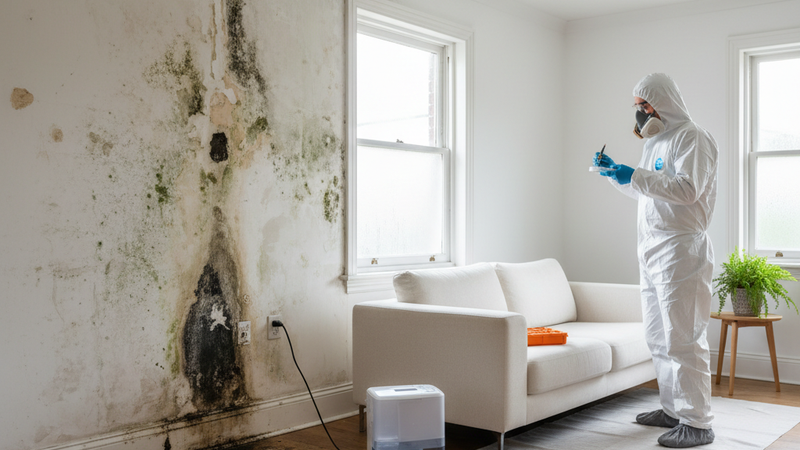
Mould in your home or workplace is more than just an unsightly stain; it's a living organism that can pose significant health risks and compromise the structural integrity of your property. This comprehensive guide, informed by industry best practices like IICRC S520, will walk you through understanding mould, its dangers, professional remediation techniques, and crucial prevention strategies tailored for the UK.
Understanding Mould and Its Impact
Mould is a type of fungus that thrives in damp, humid environments. It reproduces by releasing microscopic spores into the air, which can then settle on surfaces and begin to grow if moisture is present. Understanding the conditions that foster mould growth is the first step towards effective mould removal.
Common Causes of Mould Growth in UK Properties
Several factors contribute to mould proliferation, particularly in the diverse climate of the UK. Identifying these root causes is crucial for preventing recurrence after remediation.
- Condensation: Poor ventilation, especially in bathrooms, kitchens, and bedrooms, leads to moisture build-up on cold surfaces.
- Water Leaks: Undetected leaks from roofs, plumbing, or overflowing gutters provide a constant moisture source.
- Rising Damp: Moisture drawn up from the ground into walls, often due to faulty damp-proof courses.
- Penetrating Damp: Water ingress through walls or roofs due to structural defects like cracked rendering or damaged tiles.
- Flooding: Water damage from floods, if not dried properly and promptly, is a prime breeding ground for mould.
Types of Mould Commonly Found
While thousands of mould species exist, some are more frequently encountered in residential and commercial buildings across the UK. Knowing the types won't necessarily change the remediation process, but it helps in assessing potential health impacts.
- Cladosporium: Often found on fabrics, wood, and other organic materials; can be black, green, or brown.
- Penicillium: Bluish-green, velvety texture; commonly found on water-damaged materials. Known for its distinct musty odour.
- Aspergillus: Very common, appearing in various colours; many species within this genus can be allergenic.
- Stachybotrys Chartarum (Black Mould): Infamous for its dark, slimy appearance. While often associated with 'toxic mould', it's important to note that many moulds produce mycotoxins, and visual identification alone isn't sufficient for hazard assessment. It typically grows on materials with high cellulose content that have been consistently damp for extended periods.
Health and Safety Concerns Related to Mould Exposure
Exposure to mould spores can affect individuals differently, but it is unequivocally linked to various health problems. The NHS and Health and Safety Executive (HSE) regularly highlight the risks, especially for vulnerable groups.
Potential Health Effects of Mould
Mould spores, when inhaled, can trigger a range of symptoms and conditions. The severity depends on the individual's sensitivity, the type of mould, and the extent of exposure.
- Allergic Reactions: The most common response, leading to sneezing, runny nose, red eyes, skin rash, and asthma attacks.
- Respiratory Issues: Wheezing, coughing, shortness of breath, and exacerbation of conditions like asthma. Individuals with chronic respiratory diseases are particularly vulnerable.
- Irritation: Eye, nose, throat, and skin irritation due to airborne spores.
- Other Symptoms: Headaches, fatigue, and difficulty concentrating have also been reported in mould-affected individuals.
Important point
For more detailed information on health implications, consult the NHS website on allergies or speak to your GP, especially if you experience persistent symptoms.
Vulnerable Groups and Workplace Risks
Certain individuals are at a higher risk of developing mould-related health issues, and employers have a duty to protect their staff from mould in the workplace.
- Children and Infants: Their developing respiratory systems are more susceptible.
- Elderly Individuals: Often have weakened immune systems.
- Immunocompromised Individuals: Those with HIV, undergoing chemotherapy, or organ transplant recipients.
- Individuals with Pre-existing Respiratory Conditions: Asthma, COPD, or cystic fibrosis sufferers are at greater risk of exacerbated symptoms.
The Health and Safety Executive (HSE) provides guidance for employers on maintaining healthy indoor environments and managing risks, including those posed by biological agents like mould, in commercial settings.
UK Regulations and Industry Standards for Mould Remediation
In the UK, mould remediation is governed by a combination of housing regulations, health and safety legislation, and internationally recognised industry standards. Adherence to these ensures safe and effective removal.
Housing Health and Safety Rating System (HHSRS)
The HHSRS applies to all residential premises in England and Wales and is used by local authorities to assess potential hazards. Damp and mould growth is one of the 29 hazards assessed under HHSRS, and severe cases are rated as a 'Category 1' hazard, meaning they pose a serious risk to health. Landlords have a legal obligation to address Category 1 hazards promptly.
Recent legislative developments, such as Awaab's Law in force for social landlords in England since 27 October 2025, further strengthens tenants' rights and landlords' responsibilities concerning damp and mould in social housing. The law sets strict timelines for social landlords to investigate and fix hazards, making compliant and effective mould remediation even more critical.
IICRC S520 and Other Relevant Guidelines
The Institute of Inspection, Cleaning and Restoration Certification (IICRC) S520 Standard for Professional Mould Remediation is the globally recognised benchmark for effective and safe mould removal. Although not a legal requirement in the UK, professional remediators widely adopt S520 principles to ensure comprehensive and safe practices.
- Assessment: Thorough inspection to determine the extent of contamination and moisture source.
- Containment: Preventing the spread of spores to unaffected areas using barriers and negative air pressure.
- Source Elimination: Addressing the underlying moisture problem.
- Removal: Physical removal of mould-contaminated materials and thorough cleaning of salvageable surfaces.
- Drying: Ensuring all materials are dried to acceptable levels to prevent re-growth.
- Verification: Post-remediation inspection and, if necessary, testing to confirm successful remediation.
Other relevant guidelines include those from the UK Government's Public Health England (now UK Health Security Agency) concerning indoor air quality and biological contaminants.
The Professional Mould Remediation Process
Professional mould remediation is a systematic process designed to safely and effectively remove mould contamination and prevent its return. It goes far beyond simply cleaning visible mould.
Initial Assessment and Contaminant Identification
Every effective mould removal project begins with a detailed assessment by certified specialists. This involves:
- Visual Inspection: Identifying visible mould growth and areas of suspected concealed mould.
- Moisture Mapping: Using moisture meters, thermal imaging cameras, and hygrometers to pinpoint hidden moisture sources and determine the full extent of water damage.
- Air Quality Testing (Optional): In some cases, air samples are taken to identify mould types and spore counts, particularly when health concerns are prominent or mould is suspected in hidden areas.
- Risk Assessment: Evaluating the health risks to occupants and formulating a safe work plan.
Containment, Removal, and Cleaning Protocols
Once assessed, the area is prepared for remediation to prevent cross-contamination.
- Source Rectification: The underlying moisture issue (e.g., leak repair, dehumidification) must be addressed first. Without this, mould will return.
- Containment: Setting up physical barriers (e.g., plastic sheeting) and negative air pressure with HEPA-filtered air scrubbers to isolate the affected area and prevent spores from spreading.
- Removal of Affected Materials: Non-salvageable porous materials like plasterboard, insulation, or carpets are carefully bagged and removed following strict waste disposal guidelines.
- Cleaning and Disinfection: Hardsurfaces are thoroughly cleaned using specialised antimicrobial solutions and HEPA vacuumed to remove mould residues and spores.
- Drying: Industrial dehumidifiers and air movers are used to dry the building materials to normal moisture content levels.
Post-Remediation Verification and Clearance Testing
The final stage ensures the remediation was successful and the environment is safe.
- Visual Inspection: A thorough check to ensure all visible mould and staining has been removed.
- Moisture Content Readings: Verifying that all materials are dried to acceptable levels.
- Clearance Testing (Optional/Recommended): Post-remediation air or surface samples are taken and analysed by an independent laboratory to confirm that spore counts have returned to normal baseline levels, indicating successful mould removal. This provides peace of mind and documented proof of successful remediation.
Prevention and Maintenance Strategies
The best approach to mould is prevention. Simple yet effective measures can significantly reduce the risk of mould returning after professional remediation or developing in the first place.
Controlling Humidity and Improving Ventilation
Managing indoor humidity is paramount. The ideal indoor humidity level is between 30% and 50% relative humidity.
- Ventilate Regularly: Open windows for short periods daily, especially after showering, cooking, or drying laundry indoors.
- Use Extractor Fans: Install and use effective extractor fans in kitchens and bathrooms, ensuring they vent to the outside, not into lofts.
- Dehumidifiers: Consider using a dehumidifier in particularly damp rooms or during humid weather.
- Heating: Maintain a consistent, moderate indoor temperature to prevent cold spots where condensation can form.
Proactive Moisture Management and Regular Inspections
Regular checks for potential water sources can prevent major mould issues.
- Fix Leaks Promptly: Regularly check plumbing, roofs, and gutters for leaks and repair them immediately.
- Clean and Dry: Immediately clean up spills and thoroughly dry any damp areas within 24-48 hours.
- Maintain Gutters and Drains: Ensure they are clear of debris to prevent water overflow and property damage.
- Monitor Condensation: Wipe down condensed water from windows and cold surfaces regularly.
Useful Resource
Many UK universities (e.g., University College London) conduct research into healthy indoor environments and provide resources on moisture management in buildings. For broader insights, visit a reputable university's departmental website on sustainable building or environmental health.
When to Call Professional Mould Remediation Specialists
While small patches of mould might be manageable for a homeowner, there are clear indicators that professional intervention is necessary for safe and effective mould removal.
Indicators for Professional Intervention
Knowing when to call in the experts protects your health and your property.
- Significant Growth: If mould covers an area larger than 1 square metre (roughly 10 square feet).
- Persistent Odour: A strong, musty smell often indicates hidden mould growth, even if you can't see it.
- Health Concerns: If occupants are experiencing unexplained health issues like persistent allergies, respiratory problems, or irritations.
- Recurrent Mould: If mould keeps reappearing even after you've attempted to clean it yourself.
- Hidden Mould: If mould is suspected behind walls, under flooring, or in inaccessible areas. This requires specialised equipment to detect and safely remove.
- Water Damage History: Following significant water damage (e.g., flood, burst pipe), professional assessment is recommended to prevent mould growth.
Benefits of Hiring Certified Mould Remediation Experts
Engaging certified professionals brings numerous advantages that DIY approaches cannot match.
- Expertise: Trained technicians understand mould biology, growth patterns, and safe remediation techniques based on IICRC S520 standards.
- Safety: Professionals use appropriate PPE and containment measures to prevent personal exposure and cross-contamination.
- Effective Removal: They have specialised equipment (e.g., HEPA vacuums, air scrubbers, industrial dehumidifiers) for thorough removal and structural drying.
- Source Identification: They can accurately identify and address the root cause of moisture, ensuring long-term prevention.
- Verification: Offering post-remediation testing for documented proof of successful mould removal.
- Peace of Mind: Knowing the job is done correctly and safely, protecting health and property value.
Call to Action
For expert guidance and professional mould remediation services in the UK, do not hesitate to contact our certified specialists. Explore our blog for more information on indoor air quality and property health.