Comprehensive UK Mould Investigation Guide
Unravel the complexities of mould investigation in the UK, from understanding its causes to professional remediation and health implications.
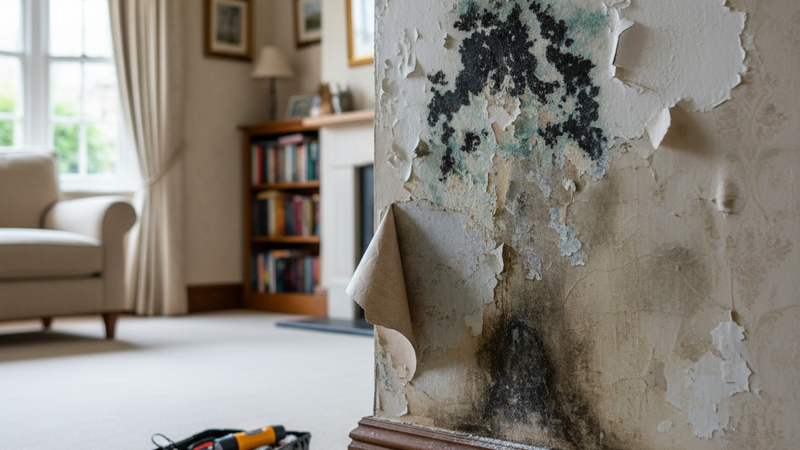
Mould, a pervasive and often hidden problem, can significantly impact indoor air quality and structural integrity. A professional mould investigation is the critical first step in identifying the type, source, and extent of mould contamination, ensuring effective and lasting remediation. This comprehensive guide details the nuances of mould investigation in the UK, adhering to industry best practices and vital health considerations.
Understanding Mould & Its Investigation
Mould is a type of fungus that thrives in damp conditions. Its presence is not just an aesthetic issue; it indicates underlying moisture problems within a property. An effective mould investigation goes beyond visual inspection to uncover the root cause.
What is Mould Investigation?
Mould investigation is a systematic process designed to identify and assess mould growth within indoor environments. It involves a combination of visual inspections, moisture mapping, and in some cases, air or surface sampling. The primary goal is to determine the extent of contamination, pinpoint the moisture source, and develop a precise remediation strategy.
Common Causes of Mould Growth in UK Homes
The UK's climate often contributes to indoor dampness, creating ideal conditions for mould. Common culprits include:
- Condensation: Poor ventilation, especially in bathrooms and kitchens.
- Penetrating Damp: Leaky roofs, faulty brickwork, or damaged window seals.
- Rising Damp: Water from the ground rising through porous walls.
- Plumbing Leaks: Hidden leaks behind walls or under floors.
- Flood Damage: Inadequate drying after a flood event.
Health & Safety Concerns with Mould
Mould exposure can lead to a range of health issues, making its prompt and professional investigation crucial, especially for vulnerable individuals.
Potential Health Effects of Mould Exposure
Exposure to mould spores can trigger allergic reactions, respiratory problems, and irritate the skin and eyes. The NHS website details various allergy symptoms that can be exacerbated by mould. Common symptoms include:
- Sneezing, runny nose, or nasal congestion
- Irritated eyes, skin, or throat
- Wheezing, coughing, or shortness of breath
- Asthma attacks in sensitive individuals
Vulnerable Groups and Mould
Certain groups are more susceptible to mould's adverse health effects:
- Babies and young children
- Elderly individuals
- Individuals with respiratory conditions like asthma
- People with weakened immune systems
- Those with existing allergies
Important point
The Health and Safety Executive (HSE) provides guidance on managing mould in workplaces, emphasising the need to protect all occupants from potential health risks.
UK Regulations & Industry Standards for Mould
In the UK, mould remediation is guided by various standards and legislation, ensuring protection for both tenants and property owners.
The IICRC S520 Standard
The IICRC S520 Standard for Professional Mould Remediation is the international benchmark for safe and effective mould removal. While not a legal requirement in the UK, it represents best practice and is followed by reputable mould remediation specialists. Adhering to S520 ensures that investigations are thorough, containment procedures are correct, and remediation is successful without cross-contaminating unaffected areas.
Housing Health and Safety Rating System (HHSRS)
In England and Wales, the Housing Health and Safety Rating System (HHSRS) assesses 29 housing hazards, including damp and mould. Local authorities use HHSRS to identify potential risks to health and safety in residential properties. Severe mould growth can be categorised as a Category 1 hazard, compelling landlords to take remedial action.
Awaab's Law and Tenant Protections
The tragic death of Awaab Ishak brought nationwide attention to the devastating impact of poor housing conditions. This led to new legislation, known as Awaab's Law, which has been in force for social landlords in England since 27 October 2025. It strengthens the rights of social housing tenants and places greater responsibilities on landlords to address damp and mould issues promptly and effectively, and it is already changing how mould investigations and remediation are managed in rented properties.
The Professional Mould Remediation Process
A professional approach is crucial for effective mould remediation, following a structured process from investigation to post-remediation verification.
Key Stages of Mould Investigation
- Initial Consultation & Visual Assessment: Discussing concerns, property history, and conducting a thorough visual inspection.
- Moisture Mapping & Thermal Imaging: Using specialised equipment to detect hidden moisture behind walls or under floors.
- Air & Surface Sampling (if required): Collecting samples to identify mould species and spore concentrations, often analysed by independent laboratories like those at various UK universities for scientific rigour.
- Report & Remediation Plan: A detailed report outlining findings, moisture sources, mould types, and a comprehensive remediation strategy.
Containment and Remediation Strategies
Once the extent is known, remediation begins, often involving:
- Containment: Setting up physical barriers and negative air pressure to prevent cross-contamination.
- Moisture Source Repair: Fixing leaks or improving ventilation to stop recurrence.
- Mould Removal: Using HEPA-filtered vacuums and approved antimicrobial agents to safely remove mould from surfaces.
- Contaminated Material Disposal: Safely removing and disposing of porous materials that cannot be salvaged.
- Drying: Thoroughly drying affected areas using industrial dehumidifiers and air movers.
Post-Remediation Verification
After remediation, a final inspection ensures all mould has been removed and the moisture problem resolved. This may include follow-up sampling to confirm improved air quality.
Prevention & Long-Term Mould Maintenance
Proactive measures are key to preventing mould recurrence and maintaining a healthy indoor environment.
Tips for Preventing Mould Growth
- Improve Ventilation: Use extractor fans in bathrooms and kitchens, and open windows regularly.
- Control Humidity: Aim for indoor humidity levels between 30% and 50% using dehumidifiers if necessary.
- Fix Leaks Promptly: Address leaky pipes, roofs, and windows immediately.
- Clean & Dry: Clean up spills and dry damp areas within 24-48 hours.
- Insulate Properly: Reduce condensation by ensuring adequate insulation.
Regular Property Maintenance Checks
Implementing a routine maintenance schedule can significantly reduce the risk of mould:
- Check gutters and downpipes for blockages.
- Inspect seals around windows and doors.
- Look for signs of dampness in lofts, basements, and under sinks.
- Monitor for musty odours.
When to Call Professional Mould Specialists
While small, superficial mould patches might be manageable for homeowners, certain situations demand professional intervention.
Signs You Need Professional Help
Engaging qualified mould remediation experts is crucial if:
- The mould covers an area larger than 1 square metre.
- You suspect hidden mould behind walls or under flooring.
- There are persistent musty odours without visible mould.
- Occupants are experiencing health issues related to mould exposure.
- The mould is returning after DIY cleaning attempts.
- You've experienced significant water damage or flooding.
Benefits of Professional Mould Investigation & Remediation
Trained specialists offer:
- Accurate Identification: Pinpointing the exact type and source of mould.
- Safe Removal: Using appropriate PPE and containment to prevent spore spread.
- Effective Remediation: Employing industrial-grade equipment and techniques.
- Prevention of Recurrence: Addressing the root moisture issue.
- Peace of Mind: Knowing your property is safe and healthy.
Considering the cost?
Understanding the investment in a mould-free home is important. You can get an estimate using our mould removal cost calculator or read more insights on our blog.
A professional mould investigation is not just about identifying mould; it's about safeguarding your health, protecting your property's value, and ensuring a dry, healthy living environment. Don't let mould compromise your home; seek expert guidance when required.