Mould on Walls UK: Identification, Health Risks & Removal
Discover why mould appears on your UK walls, its health implications, and how professional remediation following IICRC S520 standards can permanently resolve the issue.
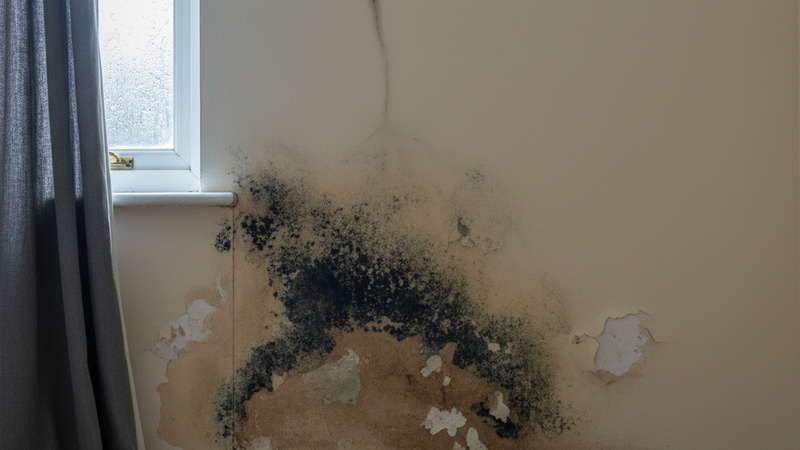
Finding mould on your walls can be a distressing sight and often indicates an underlying moisture problem within your property. This guide will provide UK homeowners and tenants with comprehensive information on understanding, identifying, and effectively remediating mould growth, ensuring a safe and healthy living environment.
Understanding Mould on Walls in UK Properties
Mould is a common issue in many UK homes, often exacerbated by our climate, older housing stock, and modern insulation techniques that can trap moisture. Understanding why it grows on walls is the first step towards effective remediation.
What Causes Mould Growth on Walls?
Mould spores are ubiquitous in the air, but they only become a problem when they land on a damp surface and find a food source. On walls, this typically means moisture combined with organic materials like plasterboard, wallpaper, paint, or dust.
- Condensation: The most common cause in UK homes. Warm, moist air (from cooking, showering, drying clothes) comes into contact with cold surfaces (external walls, windows), causing water droplets to form.
- Water Leaks: Plumbing leaks, leaking roofs, or cracked external walls can allow water to penetrate and dampen internal wall structures.
- Rising Damp: Moisture from the ground travels up through porous building materials, often affecting lower sections of walls.
- Penetrating Damp: Water seeps through external walls due to defects like faulty gutters, cracked render, or porous brickwork.
- Poor Ventilation: Inadequate airflow prevents moist air from escaping, increasing humidity and condensation.
Identifying Different Types of Wall Mould
While many people refer to all indoor mould as "black mould," various types can appear on walls. They can be black, green, white, or even orange/pink. The colour doesn't reliably indicate the species or danger level, but understanding its appearance is key to identification.
Common types found on walls include Cladosporium (often black/green, found on painted surfaces), Aspergillus (various colours, found on dust and organic matter), and Penicillium (often blue/green, commonly found on water-damaged materials). Stachybotrys chartarum, often called "black mould", is less common and should be treated with the same caution as any other mould, typically appearing slimy and dark green/black on surfaces with prolonged water damage.
Health and Safety Concerns Associated with Wall Mould
Mould is not just unsightly; it can pose significant risks to human health, especially for vulnerable individuals. Public health bodies like the NHS and HSE regularly highlight these dangers.
Impact on Human Health (NHS Guidance)
The NHS website states that mould and damp can affect your health in various ways. Breathing in mould spores or fragments can cause allergic reactions, such as sneezing, runny nose, red eyes, and skin rash. It can also trigger asthma attacks in those with existing respiratory conditions.
- Respiratory Problems: Wheezing, coughing, shortness of breath, aggravated asthma.
- Allergic Reactions: Sneezing, nasal congestion, irritation of eyes, nose, throat.
- Skin Irritation: Rashes or dermatitis.
- Infections: People with weakened immune systems, infants and the elderly are more vulnerable to infections linked to mould exposure.
Important point
Children and individuals with chronic respiratory illnesses (e.g., asthma) or weakened immune systems may be more sensitive to mould and experience more severe symptoms. Prompt action is crucial for their well-being.
Workplace and Tenant Safety (HSE & HHSRS)
For workplaces and rented properties, the Health and Safety Executive (HSE) provides guidance, recognising mould as a potential health hazard. Employers and landlords have a duty of care to ensure premises are safe.
In the residential sector, the Housing Health and Safety Rating System (HHSRS) evaluates potential hazards in homes, with damp and mould being a Category 1 hazard if severe, which could lead to enforcement action against landlords. Awaab's Law, in force for social landlords in England since 27 October 2025, further strengthens tenants' rights regarding dangerous damp and mould.
UK Regulations and Industry Standards for Mould Remediation
Effective mould remediation in the UK adheres to specific industry best practices to ensure thorough removal and prevent recurrence, protecting both property and inhabitants.
IICRC S520: The Gold Standard for Mould Remediation
The Institute of Inspection, Cleaning and Restoration Certification (IICRC) sets the globally recognised standard for professional mould remediation: the IICRC S520. This guide outlines best practices for assessing, containing, removing, and preventing mould growth.
- Assessment: Identifying the source, extent, and type of mould.
- Containment: Preventing cross-contamination of uncontaminated areas.
- Air Filtration: Using HEPA filters to capture airborne mould spores.
- Mould Removal: Physical removal of mouldy materials and thorough cleaning.
- Drying: Ensuring all affected areas are completely dry to inhibit regrowth.
- Post-Remediation Verification: Testing to confirm mould has been successfully removed to acceptable levels.
Landlord Responsibilities and Tenant Rights
In the UK, landlords are legally obliged to provide a safe and healthy environment. If mould is due to structural issues (e.g., damp, leaks) the landlord is responsible for repairs and remediation. Tenants should report mould promptly. For more information on your rights, Citizens Advice provides excellent resources.
Professional Mould Remediation Process
When mould affects more than a small area, or if you suspect health implications, professional intervention is vital. A structured approach ensures complete and safe removal.
Assessment and Source Identification
Skilled mould remediation specialists begin with a thorough assessment. This involves identifying the moisture source fueling the mould growth, which is critical for preventing recurrence. They use moisture meters, thermal imaging, and visual inspections to map the extent of the problem, sometimes even taking air and surface samples for laboratory analysis.
Containment, Removal, and Decontamination
Once the mould is assessed, containment measures are put in place, often involving plastic sheeting and negative air pressure, to prevent spores from spreading. Damaged materials are carefully removed, and affected surfaces are treated with specialised antimicrobial solutions, followed by thorough cleaning and HEPA vacuuming. Drying equipment is then used to bring moisture levels back to normal.
Post-Remediation Verification and Clearance Testing
A professional service doesn't end with cleaning. Post-remediation verification (PRV), often involving independent testing, ensures that the mould has been effectively removed and that spore counts in the air have returned to safe, baseline levels. This offers peace of mind and confirms the property is safe for re-occupancy.
Prevention and Long-Term Maintenance
Preventing mould from returning is as important as its removal. Continuous attention to moisture control and ventilation is key.
Controlling Moisture and Improving Ventilation
The most effective way to prevent mould is to control moisture. This includes:
- Increase Ventilation: Open windows regularly, especially after showering, cooking, or drying clothes indoors. Use extractor fans.
- Manage Condensation: Keep your home consistently heated. Avoid drying clothes on radiators. Use a dehumidifier if humidity levels are high.
- Fix Leaks Promptly: Regularly check for and repair any leaks from roofs, pipes, or appliances.
- Ensure Proper Insulation: Adequate wall and loft insulation can reduce cold spots where condensation forms.
Regular Property Inspections and Maintenance
Proactive maintenance can dramatically reduce the risk of mould. Regularly inspect your property for signs of damp, water stains, or peeling paint.
Check gutters, downpipes, and external rendering for defects. Ensure your property has good drainage away from the foundations. Addressing small issues quickly can prevent them from becoming major mould problems.
When to Call Professional Mould Remediation Specialists
While small patches of surface mould might be tackled by a homeowner, there are clear indicators when professional expertise is essential.
Signs Your Mould Problem Requires Experts
Don't hesitate to call in the experts if you observe any of the following:
- Large Area of Growth: Mould covering an area larger than 1 square metre (roughly a metre by a metre, or about eight A3 sheets of paper).
- Persistent Mould: Mould that repeatedly returns despite cleaning efforts.
- Unexplained Damp: You can't identify the moisture source causing the mould.
- Health Concerns: If mould is causing or exacerbating allergies, asthma, or other health issues among occupants.
- Hidden Mould: Suspicion of mould behind walls, under flooring, or in enclosed spaces (e.g., a musty smell without visible mould).
- Hazardous Materials: If water damage has also affected materials like asbestos, which requires specialist handling.
The Benefits of Professional Mould Removal
Professional remediation offers several advantages over DIY attempts. Experts possess the training, equipment, and experience to safely and effectively remove mould, identify the root cause, and prevent its return. They adhere to standards like IICRC S520, ensuring a thorough job.
Trying to tackle extensive mould yourself can be dangerous, spread spores, and often does not address the underlying issue, leading to recurrent growth. For insights into potential costs, you might find our mould removal cost calculator helpful.
Choosing a Qualified UK Remediation Company
When selecting a remediation company, ensure they are certified (e.g., IICRC S520), insured, and can provide references. A reputable company will conduct a comprehensive assessment, provide a detailed action plan, and offer post-remediation verification. You can find more advice and articles on our blog.
Further Reading & Research
For academic insights into indoor air quality and mould, consider resources from reputable institutions such as University of Leeds or University of Cambridge which contribute to environmental health research.