Mould in Basement: Expert UK Guide & Remediation
Discover why basements are prone to mould in the UK, its health risks, legal obligations, and professional remediation strategies adhering to IICRC S520.
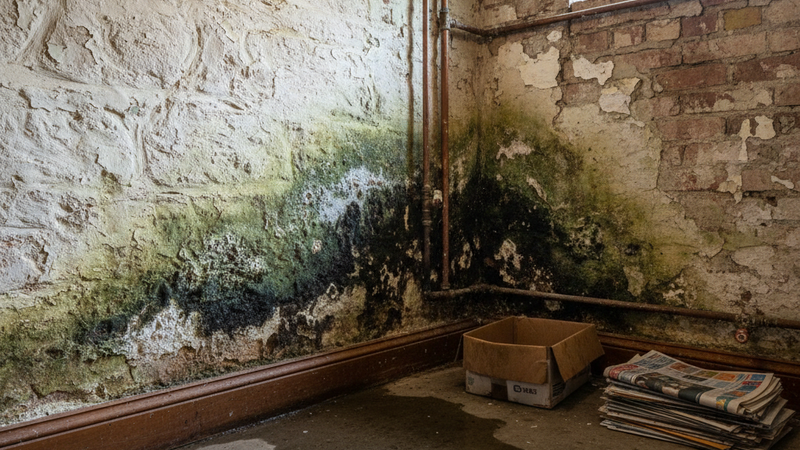
Basements in UK homes, often damp and poorly ventilated, provide an ideal breeding ground for mould. This comprehensive guide, informed by the latest industry standards like IICRC S520, will help homeowners understand the causes, health implications, legal framework, and effective strategies for tackling basement mould, ensuring a safe and healthy living environment.
Understanding Basement Mould in the UK
Mould growth in basements is a common problem across the United Kingdom, exacerbated by the country's temperate climate and older housing stock. Identifying the root causes is crucial for effective long-term remediation.
Why Basements are Prone to Mould
Basements inherently possess characteristics that create perfect conditions for mould. These include:
- High Humidity: Often below ground level, basements are cooler than other parts of the house, leading to condensation as warmer air from upstairs or outside enters and cools. Soil also releases moisture into basement walls.
- Lack of Ventilation: Many basements are designed with minimal, or even no, natural ventilation, trapping humid air and allowing moisture to build up.
- Water Ingress: Leaks from external sources like overflowing gutters, damaged downpipes, inadequate drainage, cracks in foundations, or even hydrostatic pressure pushing water through walls are significant contributors. burst pipes or plumbing leaks from within the property also pose a risk.
- Presence of Organic Material: Dust, wood, cardboard, fabric, and insulation materials commonly found in basements provide food sources for mould spores.
Common Types of Basement Mould
While many types of mould can thrive in basements, some are more commonly encountered. These typically manifest as black, green, white, or even pink fuzzy or slimy patches. Common varieties include Cladosporium, Penicillium, Aspergillus, and sometimes Stachybotrys chartarum (often referred to as black mould, though not all black mould is Stachybotrys). Each type requires the same fundamental approach to remediation – moisture control and physical removal.
Important point
Identifying the exact species of mould is less critical than addressing the underlying moisture problem. All mould should be treated with caution, as sensitive individuals can react to any type.
Health and Safety Concerns of Basement Mould
Exposure to mould spores can pose significant health risks, particularly for vulnerable groups. Understanding these risks is crucial for prompt action.
Health Impacts on UK Residents
The National Health Service (NHS) consistently advises that mould can affect health. Exposure can lead to a range of symptoms:
- Respiratory Issues: Wheezing, coughing, shortness of breath, and exacerbation of asthma.
- Allergic Reactions: Sneezing, runny nose, red eyes, skin rashes.
- Irritation: Eye, nose, throat, and skin irritation.
- Immunocompromised Individuals: Those with weakened immune systems may develop more serious infections.
For more details on mould and health, refer to the NHS guidance on mould and damp.
Risks to Property Structure
Beyond health, mould can cause significant damage to your property. Prolonged mould growth can:
- Degrade Building Materials: Mould feeds on organic matter, slowly breaking down wood, plasterboard, insulation, and fabrics. This can compromise the structural integrity of timber elements.
- Odour Issues: A persistent musty smell is a common indicator of mould and can permeate textiles and furnishings, making the basement unpleasant and potentially devaluing the property.
- Aesthetic Damage: Staining and discolouration are visually unappealing and can be difficult to remove without professional intervention.
Important point
The Health and Safety Executive (HSE) also provides guidance on mould in workplaces, which can be extended to homes, emphasising the need for a systematic approach to risk assessment and control. See HSE risk assessment guidance (INDG163).
UK Regulations and Standards for Mould Remediation
In the UK, addressing mould in residential properties is governed by several regulations and best practice guidelines, ensuring occupant safety and effective remediation.
IICRC S520: The Global Standard
The Institute of Inspection, Cleaning and Restoration Certification (IICRC) S520 Standard for Professional Mould Remediation is the globally recognised benchmark for safe and effective mould removal. While not a legally binding regulation in the UK, it represents the industry benchmark for best practice. Professional UK mould remediation specialists adhere to this standard, which covers:
- Containment: Preventing the spread of mould spores during remediation.
- Personal Protective Equipment (PPE): Protecting workers from exposure.
- Source Identification and Correction: Finding and fixing the moisture source.
- Removal Methods: Techniques for physical removal of mould-contaminated materials.
- Post-Remediation Verification: Ensuring the mould has been effectively removed and the environment is safe.
Adherence to IICRC S520 ensures a thorough and safe approach, minimising recurrence and protecting occupants. You can learn more about the standard on the IICRC website.
Housing Health and Safety Rating System (HHSRS)
For rented properties, the Housing Health and Safety Rating System (HHSRS), enshrined in the Housing Act 2004, is highly relevant. Damp and mould growth are key hazards assessed under HHSRS. Local authorities use this system to identify and evaluate potential risks to health and safety in residential properties. If mould growth is severe enough to pose a significant risk, the local authority can compel landlords to take action. Recent legislative changes, particularly Awaab's Law, further strengthen tenants' rights and landlords' obligations regarding damp and mould in social housing.
Landlord and Tenant Responsibilities
In the UK, landlords have a legal obligation to ensure properties are fit for habitation, which includes addressing significant damp and mould issues. Tenants also have a responsibility to report issues promptly and use the property in a ‘tenant-like manner’, which includes reasonable ventilation. Understanding these responsibilities is critical for resolving mould problems efficiently. Further information can be found on Gov.uk HHSRS guidance.
Professional Basement Mould Remediation Process
When faced with significant basement mould, especially areas larger than a square metre, professional remediation is highly recommended. A professional remediation process follows the IICRC S520 guidelines meticulously.
Inspection and Assessment
The first step involves a detailed inspection to:
- Identify the Moisture Source: Crucial for successful remediation, using specialised equipment like moisture meters and thermal cameras.
- Determine Mould Contamination Levels: Categorising the extent of growth (Condition 1 to 3 under IICRC S520) helps dictate the remediation strategy.
- Assess Affected Materials: Determining which materials are salvageable and which need to be removed and disposed of.
- Develop a Scope of Work: A tailored plan outlining the steps, timelines, and costs.
Containment and Air Filtration
To prevent cross-contamination to unaffected areas of the home, containment measures are put in place. This typically involves:
- Physical Barriers: Using polythene sheeting and zip-up entries to seal off the work area.
- Negative Air Pressure: Utilising HEPA-filtered air scrubbers to create negative air pressure, ensuring airborne mould spores are captured and exhausted safely.
Mould Removal and Structural Drying
This is the core of the remediation process:
- Removal of Contaminated Materials: Non-salvageable materials (e.g., plasterboard, porous insulation, severely affected timber) are double-bagged and removed according to local waste regulations.
- Surface Cleaning: HEPA vacuuming, scrubbing, and antimicrobial treatments are used to clean non-porous surfaces and salvageable materials.
- Drying: Industrial dehumidifiers and air movers are deployed to thoroughly dry the affected area and structural elements, preventing future growth. Moisture levels are continuously monitored.
Post-Remediation Verification and Clearance
Once remediation is complete, a final inspection ensures all mould has been successfully removed and the environment is safe. This may include:
- Visual Inspection: Ensuring no visible mould remains.
- Moisture Readings: Confirming all materials are dry to acceptable levels.
- Air Quality Testing (Optional): In some cases, post-remediation air sampling may be conducted by a third-party hygienist to confirm spore levels have returned to normal baseline levels.
Prevention and Long-Term Maintenance
Preventing mould in your basement is far more cost-effective and healthier than reacting to an infestation. Proactive measures are key.
Controlling Humidity and Ventilation
The most effective way to prevent mould is by controlling moisture:
- Dehumidifiers: Invest in a good quality dehumidifier for your basement, especially during damp seasons. Aim to keep relative humidity below 60%.
- Improve Ventilation: Install extractor fans, open windows (when outdoor humidity is lower than indoors), or consider a positive input ventilation (PIV) system.
- Insulate Pipes: Insulating cold pipes can reduce condensation.
Addressing Water Ingress
Preventing water from entering your basement is paramount:
- Check Gutters and Downpipes: Ensure they are clear, unbroken, and direct water away from the foundation.
- Exterior Grading: Ensure the ground slopes away from your home's foundation to direct rainwater away.
- Seal Cracks: Inspect basement walls periodically for cracks and seal them effectively with hydraulic cement or epoxy injection.
- Foundation Waterproofing: For persistent issues, professional external or internal waterproofing (tanking) might be necessary.
- Regular Plumbing Checks: Fix any leaks from pipes, water heaters, or appliances promptly.
Tidiness and Storage Best Practices
How you use and store items in your basement also impacts mould risk:
- Elevate Stored Items: Use shelving or pallets to keep boxes and furniture off the floor.
- Avoid Cardboard: Cardboard absorbs moisture easily and is an excellent food source for mould. Use plastic storage containers instead.
- Regular Cleaning: Dust and vacuum your basement regularly, as dust contains organic particles that mould can feed on.
- Monitor for Musty Odours: A musty smell is often the first sign of hidden mould. Investigate immediately.
When to Call Professional Mould Remediation Specialists
While small, superficial mould patches can sometimes be tackled by homeowners, certain situations unequivocally demand professional intervention.
Signs You Need Professional Help
Do not hesitate to contact experts if you encounter any of the following:
- Large Areas of Mould: If the mould covers an area larger than 1 square metre (roughly 3ft x 3ft).
- Hidden Mould: If you smell mould but cannot see it, it likely indicates growth behind walls, under flooring, or in other inaccessible areas.
- Health Concerns: If family members are experiencing mould-related health symptoms.
- Sewer Backup/Contaminated Water: Mould growth from 'black water' (sewage) is a severe health hazard and requires specialised remediation.
- Recurrent Mould: If mould keeps returning after your attempts to clean it, the underlying moisture issue hasn't been properly addressed.
- Suspected Structural Damage: If you suspect mould has compromised structural elements like floor joists or support beams.
The Value of Certified Experts
Professional mould remediation specialists, particularly those adhering to IICRC S520, offer a comprehensive solution:
- Expert Identification: Accurately identifying the moisture source and mould type.
- Safe Removal: Using appropriate PPE, containment protocols, and equipment to prevent spore spread.
- Thorough Drying: Ensuring all affected materials are dried to prevent recurrence.
- Post-Remediation Verification: Providing peace of mind that the problem is resolved.
- Minimised Health Risks: Protecting occupants during and after the remediation process.
Considering professional help?
Our mould removal cost calculator can provide an estimated cost for remediation based on the scope of the issue. You can also explore more insights on our blog.