Mould Definition UK: A Comprehensive Local Guide
Understand mould in the UK: its definition, health impacts, regulations, and professional remediation. Learn how to identify, prevent, and deal with mould effectively.
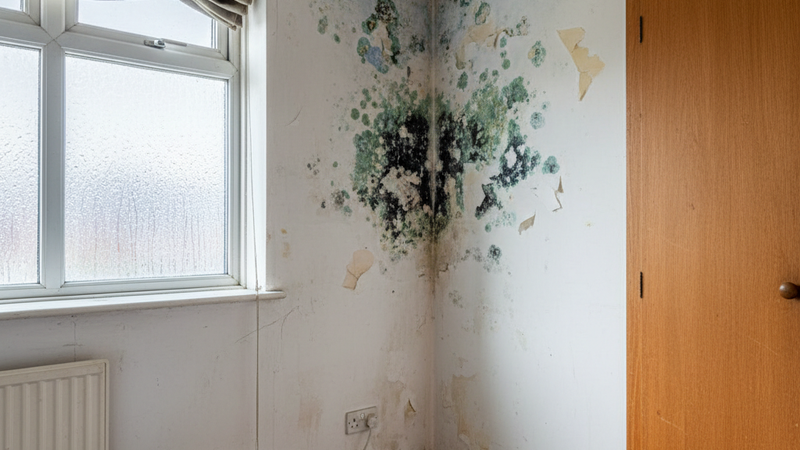
Mould, often an unwelcome guest in UK homes and workplaces, is a pervasive fungal growth that can have significant implications for both property health and human well-being. Understanding its definition, causes, and effects is the first crucial step towards effective prevention and remediation. This comprehensive guide will delve into what mould is in the UK context, its potential dangers, applicable regulations, and how professional specialists address it.
Understanding Mould: A UK Perspective
Mould, scientifically classified as fungi, reproduces by releasing microscopic spores into the air. These spores are ubiquitous, meaning they are found almost everywhere, both indoors and outdoors. When these spores land on a damp surface with an organic food source, they can begin to grow and colonise, forming what we commonly recognise as mould.
What Precisely is Mould?
In the UK, the term mould refers to various species of microscopic fungi that grow in filaments and reproduce by means of spores. Common types found in UK properties include Cladosporium, Penicillium, Aspergillus, and Stachybotrys chartarum (often referred to as 'black mould'). They thrive in humid, poorly ventilated environments, often appearing as fuzzy, discoloured patches in shades of black, green, brown, or white on walls, ceilings, fabrics, and other surfaces.
The presence of mould indicates underlying moisture issues, which could range from condensation and leaks to rising damp or penetrating damp. Addressing the moisture source is paramount to successful mould eradication.
Common UK Mould Species and Their Appearances
- Black Mould (Stachybotrys chartarum): Often presents as a slimy, dark black or greenish-black growth, typically associated with prolonged dampness from water leaks or flooding.
- Green/Grey Mould (Cladosporium, Aspergillus, Penicillium): Frequently found in damp areas like bathrooms, kitchens, and around windows. Can appear dusty or cottony.
- White Mould: Can be mistaken for efflorescence (salt deposits) and often appears powdery or thread-like on organic materials.
Identifying the exact species requires laboratory testing, which is rarely necessary for initial remediation as the fundamental principles of removal remain consistent regardless of type.
Health & Safety Concerns Posed by Mould in the UK
The presence of mould isn't just an aesthetic issue; it can pose significant health risks, especially for vulnerable individuals. Both the NHS and the Health and Safety Executive (HSE) highlight the potential adverse effects of mould exposure.
Potential Health Effects of Mould Exposure
Exposure to mould spores and the volatile organic compounds (mVOCs) they release can trigger a range of health problems. The NHS provides clear guidance on the health impacts, which include:
- Respiratory Issues: Headaches, sneezing, runny nose, red eyes, skin rash, asthma attacks, particularly in those with pre-existing conditions.
- Allergic Reactions: Individuals can develop allergic reactions, leading to irritation of the eyes, skin, nose, throat, and lungs.
- Vulnerable groups: Some individuals, especially those with weakened immune systems, infants, and the elderly, are more susceptible to severe reactions, including fungal infections.
- Exacerbation of Existing Conditions: Mould can worsen symptoms for people with chronic lung diseases like COPD.
For more detailed information on health impacts, refer to the UKHSA guidance on damp and mould.
Workplace Regulations and Employer Responsibilities
In workplaces, the Health and Safety Executive (HSE) mandates that employers have a duty of care to protect employees from health risks, including those posed by mould. Employers must assess risks and implement control measures to prevent harm. This includes ensuring adequate ventilation, prompt repair of leaks, and safe remediation of mould growth.
Important point
The HSE outlines responsibilities under the Health and Safety at Work etc. Act 1974. Employers must address risks from biological agents, which include mould, to maintain a safe working environment. Remediation should be carried out safely to prevent further spore dispersal.
UK Regulations and Standards for Mould Remediation
Navigating mould remediation in the UK requires adherence to specific guidelines and regulations designed to protect occupants and ensure effective, safe removal. Professional remediators follow industry best practices, such as those laid out by the IICRC.
IICRC S520: The Professional Standard for Mould Remediation
The Institute of Inspection, Cleaning and Restoration Certification (IICRC) S520 Standard for Professional Mould Remediation is the globally recognised cornerstone for effective mould removal. While not a direct UK law, it represents the industry benchmark for professional practice in the UK. This standard covers principles and procedures for assessing, managing, and removing mould infestations in a way that protects both building occupants and remediation personnel. Key aspects include:
- Containment: Preventing the spread of mould spores to unaffected areas.
- Source Identification: Locating and addressing the moisture source.
- Removal vs. Cleaning: Emphasising the physical removal of mould-contaminated materials rather than just surface cleaning.
- Air Filtration: Using HEPA filters to clean airborne spores.
- Personal Protective Equipment (PPE): Ensuring the safety of workers.
- Drying and Dehumidification: Bringing moisture levels down to prevent recurrent growth.
- Post-Remediation Verification: Ensuring the property is free of mould and excessive moisture.
Adherence to IICRC S520 ensures a thorough, scientific approach to mould remediation, distinguishing professional services from superficial cleaning.
Housing Health and Safety Rating System (HHSRS)
For residential properties in England and Wales, the Housing Health and Safety Rating System (HHSRS) is a key legislative tool. Administered by local authorities, HHSRS assesses 29 housing hazards, one of which is 'Damp and Mould Growth.' Significant mould growth is categorised as a Category 1 hazard, meaning it poses a serious risk to health. Landlords have a legal obligation to address such hazards in their properties. This is especially relevant following the implementation of Awaab's Law, in force for social landlords in England since 27 October 2025, which provides stronger protections for tenants against damp and mould.
Local authorities can issue improvement notices or even carry out works in default if landlords fail to act, providing a strong legal framework for tenants to seek redress against negligent landlords. More information can be found on the gov.uk HHSRS guidance.
The Professional Mould Remediation Process in the UK
When mould infestation is extensive or persistent, professional intervention is essential. Reputable UK mould remediation specialists follow a structured process derived from IICRC S520 to ensure thorough and lasting results.
Assessment and Containment
The process begins with a detailed assessment to identify the extent of the mould growth, the underlying moisture source, and the specific materials affected. This often involves moisture meters, thermal imaging, and visual inspection. Once the scope is determined, containment measures are put in place. This involves sealing off the affected area using plastic sheeting and negative air pressure machines (air scrubbers with HEPA filters) to prevent spores from spreading to unaffected parts of the property.
Mould Removal and Drying
Unlike simple cleaning, professional remediation focuses on removing mould and mould-contaminated materials. Porous materials like plasterboard, insulation, carpets, and upholstered furniture that are heavily contaminated often need to be carefully removed and disposed of following strict waste guidelines. Non-porous surfaces can be cleaned using specialised antimicrobial solutions and abrasive techniques. After removal, the area is thoroughly dried using industrial dehumidifiers and air movers to bring moisture levels down to normal, preventing recurrence.
Post-Remediation Verification and Prevention
Once remediation is complete, a post-remediation verification (PRV) is conducted to ensure the mould has been effectively removed and the underlying moisture issue resolved. This may involve visual inspection, moisture readings, and sometimes air sampling to confirm spore levels are within acceptable limits. Crucially, the professional will advise on long-term prevention strategies, such as improving ventilation, insulation, and addressing any ongoing leaks or damp issues, to safeguard against future mould growth.
Mould Prevention and Maintenance for UK Properties
Proactive measures are often the most cost-effective way to manage mould. By understanding the conditions mould thrives in, UK homeowners and tenants can significantly reduce the risk of infestation.
Controlling Humidity and Improving Ventilation
Moisture is the single most critical factor for mould growth. Maintaining indoor humidity levels below 60% (ideally 30-50%) is crucial. This can be achieved by:
- Using Extractor Fans: In bathrooms and kitchens when showering, cooking, or drying clothes indoors.
- Opening Windows: Regularly for short periods, even in winter, to allow fresh air to circulate and replace humid air.
- Minimising Indoor Moisture Sources: Drying clothes outdoors if possible, ensuring tumble dryers are vented outside, and avoiding over-watering indoor plants.
- Using Dehumidifiers: In particularly damp areas or during prolonged periods of high indoor humidity.
Addressing Leaks and Damp Promptly
Any water ingress – from a leaking pipe or roof to penetrating or rising damp – must be addressed immediately. Small leaks can quickly lead to significant mould problems if left unmanaged. Regularly check for signs of damp, such as water stains, peeling paint, or musty odours. Ensure your home has adequate insulation to prevent cold spots where condensation can form, particularly around external walls and windows. Universities across the UK conduct extensive research into sustainable building practices and damp prevention, highlighting the importance of structural integrity in preventing mould.
When to Call Professional Mould Remediation Specialists
While small patches of mould might be tackled with domestic cleaning products, professional intervention is often necessary and recommended for larger, more pervasive, or recurrent mould issues.
Indicators for Professional Intervention
You should consider calling a professional mould remediation specialist if:
- Large Areas of Growth: Mould covers an area larger than 1 square metre, or has spread to multiple rooms.
- Persistent Mould: Mould keeps returning despite your best cleaning efforts.
- Health Concerns: Occupants are experiencing unexplained health issues that could be linked to mould exposure.
- Hidden Mould: You suspect mould is growing behind walls, under flooring, or in other concealed spaces due to musty odours or water damage.
- Water Damage: The mould is a result of significant water damage (e.g., flood, burst pipe) that has affected structural elements.
- Vulnerable Occupants: Individuals with compromised immune systems, respiratory conditions, or young children are present.
Benefits of Professional Mould Remediation
Engaging certified professionals ensures that mould is not just removed from the surface, but that the root cause is identified and addressed. They possess the expertise, specialised equipment (e.g., HEPA vacuums, air scrubbers, professional-grade biocides), and safety protocols to:
- Prevent cross-contamination and further spore dispersal.
- Identify and fix the underlying moisture problem.
- Safely remove and dispose of contaminated materials.
- Ensure the area is properly dried and restored to healthy conditions.
- Provide peace of mind and evidence of remediation, which can be useful for property sales or insurance claims.
Understanding the true cost of professional services can be daunting; you might find our mould removal cost calculator useful for a preliminary estimate. For further general advice and resources, feel free to browse our blog.