Mould Diagram: Understanding Types, Growth & Remediation
Explore a mould diagram to understand mould types, their growth conditions, health impacts, and the professional remediation process in UK homes.
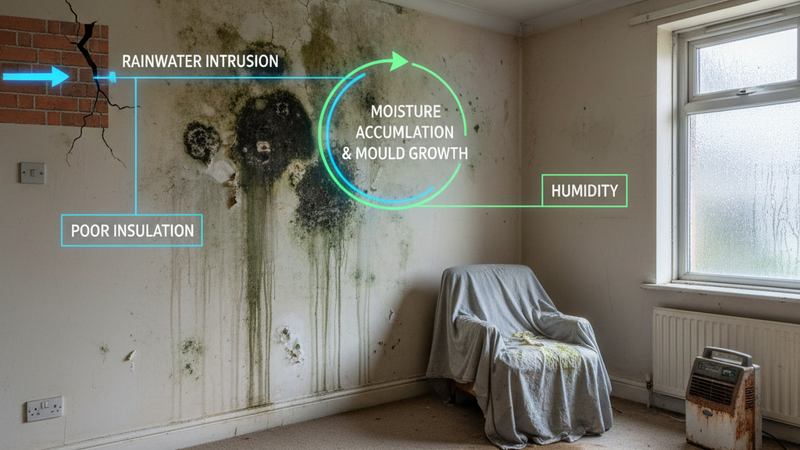
Understanding a mould diagram is crucial for identifying, comprehending, and ultimately addressing mould issues within your UK property. This comprehensive guide will dissect the various components of mould growth, from its microscopic structure to its macroscopic manifestation, providing clarity on how these fungi impact indoor environments and human health.
Understanding Mould: What is it, and How Does it Grow?
Mould, a ubiquitous part of the natural environment, is a type of fungi that plays a vital role in decomposition. However, when it thrives indoors, it can pose significant problems, including structural damage and health risks. Examining a mould diagram helps demystify its life cycle and environmental requirements.
The Biological Structure of Mould
At its most basic, mould consists of filamentous structures called hyphae, which form a network known as a mycelium – the visible part of the mould colony. These hyphae extend into organic materials to absorb nutrients. Mould reproduces by releasing tiny, lightweight spores, which are invisible to the naked eye and can travel through the air.
- Spores: The reproductive units of mould, ever-present in the air.
- Hyphae: Thread-like structures that penetrate surfaces and absorb nutrients.
- Mycelium: The visible, fuzzy growth formed by a network of hyphae.
- Fruiting Bodies: Structures that produce and release spores.
Ideal Conditions for Mould Growth
Mould requires four key elements to grow indoors: moisture, a food source, appropriate temperature, and oxygen. Understanding these conditions is key to preventing its proliferation.
- Moisture: This is the most critical factor. Leaks, condensation, high humidity, and flooding provide the necessary water. Relative humidity above 60% can promote mould growth.
- Food Source: Mould can feed on almost any organic material, including wood, plasterboard, insulation, fabric, and dust.
- Temperature: Most mould species thrive in temperatures between 20-30°C, common in many homes, though they can grow in colder conditions too.
- Oxygen: While some moulds can grow in low-oxygen environments, most require oxygen to flourish.
Important point
Even dormant mould spores, deprived of moisture, can reactivate and begin growing again when suitable conditions return. This highlights the importance of thorough cleanup and moisture control.
Health & Safety Concerns Posed by Mould
Exposure to mould, particularly its spores and volatile organic compounds (MVOCs), can lead to a range of health issues, especially for vulnerable individuals. Recognising these risks is a vital component of both personal safety and property management.
Common Health Impacts
The National Health Service (NHS) highlights that mould can affect people in different ways. Common symptoms include respiratory problems, allergic reactions, and skin irritation. Understanding the symptoms is crucial for early detection and mitigation.
- Respiratory Issues: Coughing, wheezing, shortness of breath, asthma exacerbation.
- Allergic Reactions: Sneezing, runny nose, red eyes, skin rash (dermatitis).
- Irritation: Eye, nose, throat, and skin irritation.
- Other Symptoms: Headaches, fatigue, difficulty concentrating (though less directly linked than respiratory issues).
For more detailed health information, refer to the official NHS damp and mould guidance.
Vulnerable Populations and Severity
Certain groups are more susceptible to mould-related health problems. These include infants, children, the elderly, individuals with pre-existing respiratory conditions like asthma or COPD, and those with weakened immune systems.
- Asthmatics: Mould spores can act as powerful triggers, leading to severe asthma attacks.
- Immunocompromised Individuals: Can develop more serious infections from mould exposure.
- Infants and Children: Developing respiratory systems are more sensitive to airborne irritants.
UK Regulations and Industry Standards for Mould Remediation
In the UK, addressing mould goes beyond basic cleanup. There are specific guidelines and regulations designed to ensure effective and safe remediation, protecting both occupants and remediation workers.
IICRC S520 and Industry Best Practices
The IICRC S520 Standard for Professional Mould Remediation is the gold standard for mould removal globally, and highly respected within the UK. It outlines scientifically sound, effective, and safe approaches to remediating mould and mould-contaminated structures and contents.
- Assessment: Identifying the type, extent, and cause of mould growth.
- Containment: Preventing the spread of mould spores during remediation.
- Moisture Control: Addressing and eliminating the source of moisture.
- Removal: Physical removal of mould-contaminated materials.
- Drying & Cleaning: Thorough drying and cleaning of affected areas.
- Verification: Post-remediation assessment to confirm successful removal.
Professionals adhering to IICRC S520 ensure that mould is not just superficially cleaned but truly eliminated, with the underlying moisture issues resolved. More information can be found on the IICRC website.
Housing Health and Safety Rating System (HHSRS) & Awaab's Law
The UK's Housing Health and Safety Rating System (HHSRS), established under the Housing Act 2004, identifies damp and mould as a potential hazard (Category 1 or 2, depending on severity) that landlords must address. Furthermore, Awaab's Law, in force in England since 27 October 2025, strengthens tenants' rights, mandating prompt investigation and remediation of hazards like mould and damp within social housing.
The Health and Safety Executive (HSE) also provides guidance for employers and landlords, stressing the importance of controlling airborne particles, including mould spores, to protect workers and residents. Consult the HSE guidance on biological hazards for more information.
The Professional Mould Remediation Process
Professional mould remediation is a systematic process designed to safely and effectively remove mould, prevent its return, and restore the affected environment. It's more than just cleaning; it's about addressing the root cause and ensuring long-term solutions.
Initial Assessment and Containment
The process begins with a thorough inspection to determine the extent of mould growth, identify the moisture source, and assess the types of materials affected. Once the scope is defined, containment measures are put in place to prevent the spread of spores to unaffected areas during removal.
- Visual Inspection: Locating visible mould and identifying signs of hidden growth.
- Moisture Mapping: Using specialised equipment to track moisture intrusion.
- Containment Barriers: Using plastic sheeting, negative air pressure, and air scrubbers to isolate the work area.
Moisture Source Elimination and Mould Removal
Eliminating the moisture source is paramount; without it, mould will inevitably return. This could involve repairing leaks, improving ventilation, or drying out saturated materials. Following moisture control, contaminated materials are carefully removed and disposed of according to strict protocols to prevent cross-contamination. Non-porous surfaces are cleaned with biocide solutions designed to kill mould without leaving harmful residues.
Important point
For areas larger than 1 square meter or involving porous materials like drywall, professional intervention is highly recommended. Attempting DIY removal without proper equipment and knowledge can worsen the problem.
Drying, Cleaning, and Post-Remediation Verification
After physical removal, affected areas are thoroughly dried using industrial dehumidifiers and air movers to bring moisture levels back to normal. All surfaces are then cleaned to remove any remaining spores or dust. Finally, a post-remediation verification involves re-testing air quality and inspecting the remediated area to ensure all mould has been successfully removed and the environment is safe. This stringent process ensures compliance with standards such as the IICRC S520.
Mould Prevention and Long-Term Maintenance
Prevention is always better than cure when it comes to mould. Implementing proactive measures and maintaining your property can significantly reduce the risk of mould growth, contributing to a healthier living environment and avoiding the need for costly remediation. You can learn more about related expenses on our mould removal cost calculator page.
Effective Moisture Control Strategies
Managing moisture is the single most effective way to prevent mould. This involves a combination of structural integrity, ventilation, and daily habits.
- Fix Leaks Promptly: Repair plumbing, roof, and window leaks immediately.
- Improve Ventilation: Use extractor fans in kitchens and bathrooms, open windows, and ensure proper airflow, especially in damp-prone areas.
- Control Humidity: Aim for indoor relative humidity between 30% and 50%. Use dehumidifiers in consistently damp rooms.
- Dry Wet Areas: Immediately dry any spills or wet surfaces within 24-48 hours.
Regular Cleaning and Home Maintenance
Keeping your home clean and well-maintained also plays a crucial role in mould prevention. Dust and debris can serve as food sources for mould spores.
- Clean Regularly: Wipe down surfaces, especially in bathrooms and kitchens prone to condensation.
- Prevent Condensation: Ensure good insulation and avoid drying clothes indoors without adequate ventilation.
- Inspect Regularly: Periodically check for signs of dampness or mould in hidden areas like behind furniture or under sinks.
- Maintain Gutters and Drains: Ensure exterior drainage systems are clear and functioning to direct water away from the property foundation.
Further advice on maintaining a healthy home environment, including mould prevention, can often be found on local council websites or respected academic institutions like the University of Edinburgh's health and safety resources.
When to Call Professional Mould Remediation Specialists
While small patches of mould might be manageable for homeowners to clean, there are specific scenarios where professional intervention is not just recommended, but essential for safety and effective remediation.
Signs Indicating the Need for Experts
Knowing when to engage specialists can save you time, money, and potential health complications. Look out for these key indicators:
- Large Areas of Growth: If mould covers an area larger than 1 square meter (approximately 3ft x 3ft).
- Hidden Mould: Suspicion of mould behind walls, under flooring, or in HVAC systems due to strong musty odours.
- Health Concerns: If occupants are experiencing persistent mould-related health symptoms.
- Recurrent Mould: If mould keeps returning despite your best cleaning efforts, indicating an unresolved moisture issue.
- Water Damage: Following significant water damage like floods or major leaks, which often lead to extensive hidden mould.
Benefits of Professional Mould Remediation
Engaging certified mould remediation specialists offers numerous advantages over DIY attempts.
- Expert Assessment: Professional identification of mould types and underlying causes.
- Safe Removal: Use of appropriate personal protective equipment (PPE) and containment to prevent spore spread.
- Comprehensive Solutions: Addressing the source of moisture, not just the visible mould.
- Specialised Equipment: Utilising commercial-grade air scrubbers, dehumidifiers, and HEPA vacuums.
- Long-Term Prevention: Providing advice and solutions to prevent recurrence.
- Peace of Mind: Ensuring your property is mould-free and safe for occupation, backed by industry standards.
For more insights and helpful articles, feel free to visit our blog.