Mould Inspector UK: Expert Guidance for a Healthy Home
Discover the crucial role of a professional mould inspector in the UK, understanding health risks, regulations, and remediation processes for a mould-free property.
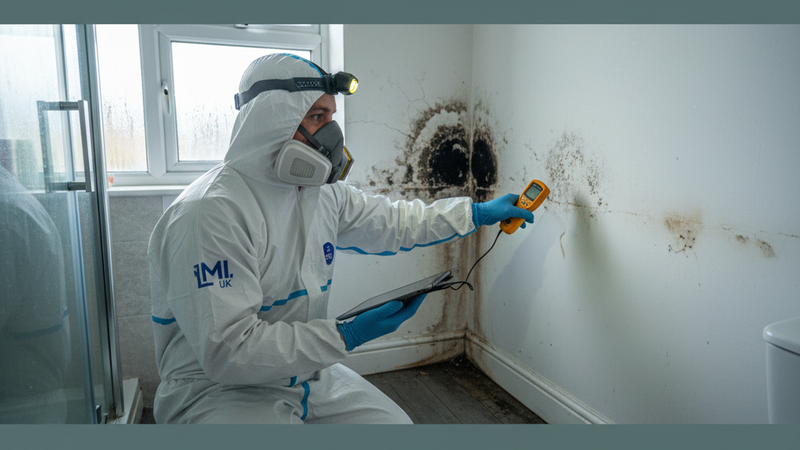
Mould growth in properties is a pervasive issue across the UK, not only compromising structural integrity but also posing significant health risks to occupants. Understanding the presence and extent of mould requires specialised knowledge and equipment, which is where a professional mould inspector UK plays a vital role. This comprehensive guide will delve into what mould is, its health implications, relevant UK regulations, and the professional steps involved in its assessment and remediation.
Understanding Mould and Its Presence in UK Homes
Mould, a type of fungus, thrives in damp, humid conditions, making many UK properties particularly susceptible due to climate, older building stock, and common living practices. Identifying mould isn't always straightforward, as it can hide behind walls, under floors, or within ceilings.
What is Mould and How Does It Grow?
Mould reproduces by releasing tiny spores into the air. When these spores land on a damp surface with an organic food source – such as wood, plasterboard, insulation, or fabric – and sufficient temperature, they begin to grow. Common causes of dampness leading to mould include:
- Condensation: Often due to poor ventilation and humidity from everyday activities like cooking and showering.
- Leaks: From plumbing, roofs, or rising damp from foundations.
- Building defects: Such as poor insulation, damaged brickwork, or faulty damp-proof courses.
Signs You Might Need a Mould Inspector
Beyond visible mould growth, several indicators suggest a hidden mould problem that warrants professional investigation:
- Musty Odour: A persistent, earthy smell often signals hidden mould, even if not visible.
- Water Stains or Discolouration: On walls, ceilings, or floors, indicating past or present moisture intrusion.
- Health Symptoms: Unexplained respiratory issues, allergies, or skin irritation, especially when at home.
- Peeling Paint or Wallpaper: Can be a sign of underlying moisture.
Important point
Never attempt to clean large areas of mould yourself, especially if you suspect it's extensive or you have respiratory problems. This can release more spores and worsen health issues.
Health and Safety Concerns Associated with Mould
Exposure to mould, especially for vulnerable individuals, can lead to a range of health issues. Both the UK's National Health Service (NHS) and the Health and Safety Executive (HSE) provide clear guidance on these risks.
Common Health Effects of Mould Exposure
Mould produces allergens, irritants, and sometimes toxic substances (mycotoxins). Inhaling or touching mould spores can trigger symptoms in sensitive individuals. According to the NHS, common health problems include:
- Respiratory problems: Wheezing, coughing, shortness of breath.
- Allergic reactions: Skin rashes, sneezing, runny nose, red eyes.
- Asthma exacerbation: Mould can trigger asthma attacks in susceptible individuals.
- Weakened immune system: More severe issues for those with compromised immunity.
Guidance from UK Health Authorities
The HSE emphasises the importance of identifying and controlling mould growth in workplaces and homes due to its potential to cause occupational asthma and other respiratory diseases. They recommend a robust risk assessment and implementation of control measures to protect health.
Recent events have highlighted the severe consequences of unresolved damp and mould issues, prompting new legislation such as Awaab's Law, aimed at increasing accountability for landlords in addressing hazardous living conditions.
UK Regulations and Industry Standards for Mould Remediation
In the UK, addressing mould goes beyond simple cleaning; it often involves understanding specific guidelines and regulations designed to ensure safe and effective remediation. Professional mould inspectors and remediation companies adhere to recognised industry standards to protect both property and people.
IICRC S520 Guidelines: The Gold Standard
The Institute of Inspection, Cleaning and Restoration Certification (IICRC) sets the benchmark for professional mould remediation. The IICRC S520 Standard for Professional Mould Remediation provides comprehensive procedures and principles for safely and effectively mitigating fungal contamination. Key aspects include:
- Assessment: Identifying the source, extent, and type of mould.
- Containment: Preventing cross-contamination to unaffected areas.
- Air Filtration: Using HEPA filters to capture airborne spores.
- Removal: Physically removing mould-contaminated materials.
- Drying: Ensuring the moisture source is addressed and materials are thoroughly dried.
- Verification: Post-remediation assessment to confirm effectiveness.
Housing Health and Safety Rating System (HHSRS)
For rental properties, the UK's Housing Health and Safety Rating System (HHSRS) is crucial. Damp and mould growth are classified as potential hazards under the HHSRS, which local authorities use to assess housing conditions. Landlords have a legal responsibility to ensure their properties are safe and free from hazards, including mould. Failure to address significant mould issues can result in enforcement action.
The Professional Mould Remediation Process
Engaging a qualified mould inspector and remediation specialist ensures that the problem is addressed thoroughly and safely. The process typically follows a structured approach based on IICRC S520 guidelines.
Initial Inspection and Assessment
A professional mould inspector begins with a thorough visual inspection, often using advanced tools such as moisture meters, thermal imaging cameras, and boroscopes to detect hidden moisture and mould. Air and surface samples may be taken and sent to an accredited laboratory for analysis to identify mould types and spore concentrations, guiding the remediation strategy.
Containment and Removal
Once the extent is mapped, specialists implement containment measures using plastic sheeting, negative air pressure, and HEPA air scrubbers to prevent mould spores from spreading during removal. Contaminated materials are carefully bagged and disposed of according to strict guidelines. Surfaces are then cleaned using specialised antimicrobial agents.
Drying and Post-Remediation Verification
Addressing the moisture source is critical. Powerful dehumidifiers and air movers are used to thoroughly dry affected areas. After remediation, post-remediation verification (PRV), which may include further testing, ensures the area is free from mould contamination and safe for reoccupation. This scientific approach differentiates professional remediation from superficial cleaning.
Prevention and Long-Term Maintenance
While professional remediation handles existing mould, preventing its return is vital for long-term healthy living. A proactive approach to moisture control significantly reduces the risk of future mould growth.
Effective Moisture Control Strategies
Controlling dampness is the most effective way to prevent mould. Practical steps include:
- Ventilation: Use extractor fans in bathrooms and kitchens, open windows regularly, and ensure trickle vents are unobstructed.
- Heating: Maintain a consistent, moderate indoor temperature to prevent surfaces from becoming cold enough for condensation to form.
- Insulation: Improve loft and wall insulation to keep surfaces warmer and reduce condensation.
- Address Leaks Promptly: Repair plumbing leaks, roof leaks, and rising damp issues immediately.
- Dry Clothes Outdoors: If possible, or use a vented tumble dryer or dehumidifier.
Monitoring and Regular Checks
Regularly inspect your home for signs of dampness, water stains, or musty smells. Pay particular attention to areas prone to moisture, such as bathrooms, kitchens, basements, and around windows. A small mould patch caught early is much easier and less costly to deal with than a widespread infestation. Consider exploring options for your mould removal cost if you spot any issues.
When to Call a Professional Mould Inspector in the UK
While minor surface mould might be manageable with DIY solutions for some, there are clear scenarios where professional expertise is indispensable to ensure safety and effective remediation.
Situations Requiring Expert Intervention
You should always contact a professional mould inspector if:
- Extensive Growth: If mould covers an area larger than one square metre (approximately 10 square feet).
- Hidden Mould: If you smell mould but cannot see it, indicating a hidden problem within walls or cavities.
- Health Concerns: If occupants are experiencing mould-related health symptoms.
- Water Damage History: Following significant water damage from floods or burst pipes, even if mould isn't immediately visible.
- Tenant/Landlord Disputes: To provide objective, third-party assessment and reports.
Benefits of Professional Mould Services
Professional mould inspectors and remediation specialists offer:
- Expert Assessment: Identification of mould type, extent, and underlying cause.
- Safe Remediation: Adherence to IICRC S520 standards, ensuring safe containment and removal.
- Moisture Source Identification: Crucial for preventing recurrence.
- Clearance Testing: Verification that the mould has been effectively removed and the area is safe.
- Peace of Mind: Knowing your property is healthy and remediated to professional standards.
For more insights and helpful guides, visit our blog. Don't compromise on your health or the integrity of your property; seek professional help when dealing with pervasive mould issues. Trusting an expert mould inspector UK is your best defence against this persistent problem.