Mould Inspectors UK: Your Guide to Professional Assessment
Hiring a professional mould inspector in the UK is crucial for identifying hidden mould, assessing health risks, and planning effective remediation. Learn more here.
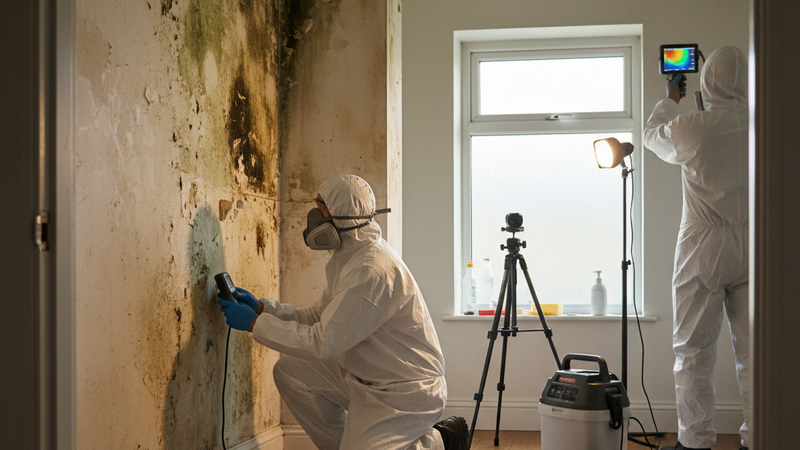
Mould growth in your UK property is more than just an aesthetic issue; it can pose significant health risks and compromise the structural integrity of your home or business. Professional mould inspectors play a vital role in identifying the extent and source of mould contamination, providing actionable insights for effective remediation in line with industry best practices and UK regulations.
Understanding Mould & Its Impact on UK Properties
Mould, a ubiquitous fungus, thrives in damp environments, reproducing by means of microscopic spores. In the UK's often-humid climate, properties are particularly susceptible if proper ventilation and moisture control are not maintained. Understanding the conditions conducive to mould growth is the first step in prevention and effective management.
Common Causes of Mould in UK Homes
Mould proliferates when moisture is present. Common culprits in UK properties include:
- Condensation: Often seen on cold surfaces like windows, external walls, and in poorly ventilated rooms (bathrooms, kitchens).
- Water Leaks: From plumbing, roofs, or foundations, which can saturate building materials unseen.
- Rising Damp: Moisture from the ground ascending through walls due to faulty or absent damp-proof courses.
- Penetrating Damp: Water ingress through walls or roofs, often due to damaged brickwork, pointing, or roofing materials.
- Flooding: Even minor flooding can leave residual moisture that encourages mould growth if not dried thoroughly.
Why Professional Inspection is Crucial
While visible mould is easy to spot, much of the problem can be hidden behind walls, under floorboards, or in attics. A professional mould inspector uses specialised tools and expertise to:
- Locate hidden moisture sources.
- Identify the full extent of mould contamination.
- Determine the type of mould, which can inform health risk assessment.
- Provide an unbiased report on the required remediation, preventing unnecessary or insufficient work.
Health & Safety Concerns Posed by Mould
Exposure to mould spores can lead to a range of health issues, particularly for vulnerable individuals. The NHS website provides general information on allergies, many of which can be triggered or worsened by mould. Understanding these risks underscores the importance of prompt and professional remediation.
Potential Health Impacts of Mould Exposure
Mould produces allergens, irritants, and sometimes toxic substances (mycotoxins). Inhaling or touching mould spores can cause:
- Allergic Reactions: Sneezing, runny nose, red eyes, skin rash.
- Asthma Attacks: Worsening of symptoms for asthmatics.
- Respiratory Problems: Wheezing, shortness of breath.
- Irritation: Eye, skin, and throat irritation.
- Infections: For individuals with compromised immune systems, mould exposure can lead to more serious infections.
Workplace Regulations and Tenant Safety in the UK
For workplaces, the Health and Safety Executive (HSE) provides guidance on managing mould risks. Employers have a duty of care to protect employees from health hazards, including mould. For tenants, recent legislative changes like Awaab's Law (part of the Social Housing (Regulation) Act 2023) highlight the growing emphasis on landlords providing safe, mould-free housing. This makes professional mould assessment more critical than ever for both landlords and tenants.
Important point
Never attempt to treat large areas of mould yourself, especially if you suffer from respiratory issues. Professional remediation minimizes exposure and ensures effective removal.
UK Mould Regulations and Industry Standards
While there isn't one single mould-specific UK law, several regulations and industry guidelines dictate how mould should be assessed and remediated. Professional mould inspectors adhere to these standards to ensure safe and effective practice.
IICRC S520: The Gold Standard for Mould Remediation
The IICRC S520 Standard for Professional Mould Remediation is the globally recognised guideline followed by reputable UK mould remediation specialists. It outlines principles, methods, and practices for safe and effective mould removal, covering:
- Assessment and inspection techniques.
- Containment procedures to prevent cross-contamination.
- Personal protective equipment (PPE) requirements.
- Mould removal methods for different surfaces.
- Post-remediation verification and clearance testing.
Adherence to IICRC standards ensures that mould remediation is performed thoroughly and safely.
Housing Health and Safety Rating System (HHSRS)
Under the Housing Act 2004, local authorities in the UK assess housing conditions using the HHSRS. Damp and mould growth are key hazards within this system. A professional mould inspection can provide the necessary evidence for HHSRS assessments, helping landlords comply with their legal obligations and ensuring tenant safety.
The Professional Mould Inspection and Remediation Process
A structured, professional approach is vital for successful mould remediation. This involves a detailed inspectio, followed by a tailored remediation plan based on the findings.
Initial Assessment and Testing
A mould inspector will conduct a thorough visual inspection, often using thermal imaging cameras and moisture meters to detect hidden moisture. Air and surface samples may be taken and sent to an independent laboratory for analysis to identify mould types and spore concentrations. This scientific approach ensures precise diagnosis and informs the remediation strategy.
Detailed Remediation Plan and Execution
Based on the assessment, a comprehensive remediation plan is developed. This typically involves:
- Containment: Setting up physical barriers and negative air pressure to prevent mould spores from spreading.
- Air Filtration: Using HEPA air scrubbers to clean the air of airborne mould spores.
- Moisture Source Identification & Repair: Addressing the root cause of dampness to prevent recurrence.
- Mould Removal: Physically removing mould from affected materials using IICRC S520-approved methods. This often involves discarding mould-infested porous materials.
- Cleaning & Disinfection: Cleaning all surfaces within the affected area.
- Drying: Ensuring all materials are thoroughly dried to prevent future growth.
Considering the costs?
Understand potential expenses with our mould removal cost calculator to budget effectively for professional services.
Post-Remediation Verification (Clearance Testing)
After remediation, a post-remediation verification (PRV) or clearance test is crucial. This involves another inspection and often air/surface sampling to confirm that mould levels have returned to normal fungal ecology levels and the property is safe for re-occupancy. This step provides peace of mind and is a hallmark of professional service.
Prevention and Long-Term Maintenance
Even after professional remediation, ongoing vigilance is key to preventing mould from returning. Simple measures can significantly reduce the risk of future mould problems in UK properties.
Effective Ventilation and Moisture Control
Good ventilation is paramount. This includes:
- Opening windows regularly, especially after showering or cooking.
- Using extractor fans in bathrooms and kitchens.
- Ensuring trickle vents in windows are open.
- Avoiding drying clothes indoors on radiators, and if necessary, using a dehumidifier.
- Promptly repairing any leaks from plumbing, roofs, or rising damp.
Regular Property Maintenance and Monitoring
Keep an eye on potential moisture issues. Check gutters, downpipes, and roofing for damage. Ensure exterior walls are well-maintained to prevent penetrating damp. For properties with known damp issues, consider regular professional damp surveys. Educational resources from institutions like University of Reading often provide valuable insights into building pathology and moisture management pertinent to UK climates.
When to Call Professional Mould Inspectors UK
Knowing when to seek expert help can save you considerable time, money, and health concerns in the long run. Self-assessment can only go so far.
Signs Indicating a Need for Professional Help
You should consider calling a professional mould inspector if you notice:
- Significant Visible Mould Growth: Areas larger than one square metre, or mould that returns quickly after amateur cleaning.
- Persistent Musty Odours: A strong, earthy smell often indicates hidden mould, even if you can't see it.
- Water Damage History: If your property has experienced flooding, leaks, or water ingress, hidden mould is a high probability.
- Health Symptoms: Unexplained or persistent allergy-like symptoms, asthma flare-ups, or respiratory issues experienced by occupants.
- Real Estate Transactions: During buying or selling a property, a mould inspection can offer peace of mind or prevent future liabilities.
- Landlord/Tenant Disputes: An independent report provides objective evidence of mould issues.
Benefits of Hiring Certified UK Mould Professionals
Choosing a certified mould inspector and remediation specialist offers numerous advantages:
- Expert Identification: Professionals can accurately identify mould species and the source of moisture.
- Safe Removal: Adherence to IICRC S520 ensures mould is removed safely without spreading spores.
- Long-Term Solutions: They address the root cause, preventing recurrence.
- Health Protection: Minimising exposure during and after remediation.
- Compliance Assurance: Particularly important for commercial properties and landlords.
- Peace of Mind: Knowing your property is truly mould-free and safe.
For more insights and advice, explore our blog on mould-related topics.