Mould on Outside Walls: UK Causes, Risks & Removal
Discover why mould grows on external walls in the UK, its health risks, and how professional remediation and prevention can protect your property.
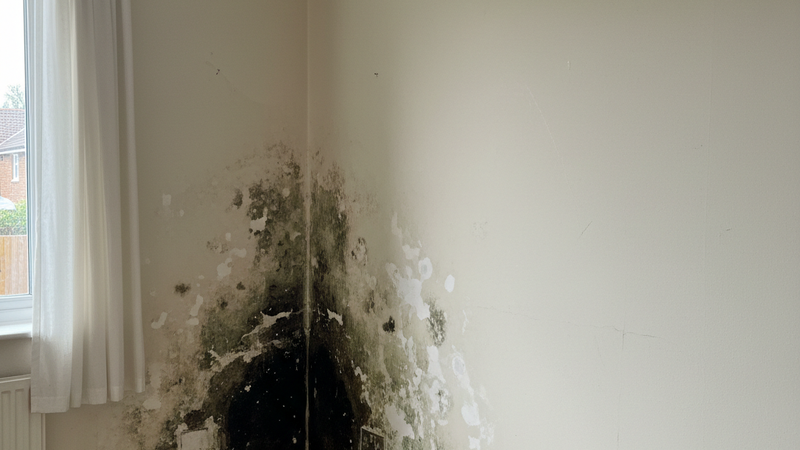
Mould on outside walls is a common sight across the UK, often manifesting as unsightly black, green, or even pinkish growths. While it might seem like a mere aesthetic issue, external mould can be an indicator of underlying problems and, if left unaddressed, can contribute to property degradation and even impact indoor air quality. Understanding its causes, risks, and proper remediation is crucial for every homeowner and property manager.
Understanding Mould on Outside Walls
Mould, a type of fungi, thrives in damp, humid conditions and feeds on organic matter. On external walls, it's typically a sign of persistent moisture, poor air circulation, or the presence of organic debris. Identifying the specific type and cause is the first step towards effective remediation.
Common Causes of Exterior Mould Growth
Several factors contribute to mould growth on the exterior of buildings in the UK's temperate and often-damp climate:
- Persistent Dampness: Leaking gutters, downpipes, overflowing rainwater, or blocked drains can saturate walls. Impervious surfaces, splashback from rain, and even constant shade preventing walls from drying out are common culprits.
- Poor Ventilation: While less direct for outside walls, inadequate ventilation can lead to condensation, which then wicks into the external structure.
- Organic Matter Accumulation: Dust, pollen, dead leaves, and even certain types of paint containing organic compounds can serve as food sources for mould.
- Defective Building Materials: Porous materials that absorb and retain moisture, or cracked rendering/pointing that allows water ingress, create ideal environments.
Types of Mould and Their Appearance
Exterior mould can present in various forms and colours:
- Black Mould: Often visible as dark spots or streaks, common on north-facing walls. While less likely to be 'toxic black mould' (Stachybotrys chartarum) on the exterior, it still indicates a moisture problem.
- Green/Brown Algae: Frequently accompanies mould, especially in shaded, damp areas. It can make surfaces very slippery.
- Pink/Reddish Growth: Can be a form of mildew or certain types of bacteria, often seen on PVC or silicone sealants.
Health & Safety Concerns for External Mould
While outdoor mould may seem less threatening than indoor mould, it still poses potential risks, particularly if spores enter the building or if residents are sensitive.
Potential Health Impacts
Although direct exposure to external mould is often limited, spores can become airborne and enter properties through open windows or vents. For sensitive individuals, this can trigger various health issues. The NHS provides information on allergies, and mould spores are a known allergen.
- Allergic Reactions: Sneezing, runny nose, red eyes, skin rash.
- Asthma Exacerbation: Mould can trigger or worsen asthma symptoms in susceptible individuals.
- Respiratory Issues: Coughing, wheezing, and irritation of the throat.
- Potential for Indoor Growth: If external moisture issues lead to internal dampness, mould can grow indoors, increasing health risks significantly.
Safety Hazards and Property Damage
Beyond health, external mould presents structural and safety concerns.
- Slip Hazards: Algae and mould on pathways, steps, and driveways can be extremely slippery, leading to falls and injury.
- Structural Damage: Persistent moisture facilitating mould growth can lead to degradation of building materials. This includes rotting timber, spalling brickwork, and compromised rendering or pointing, weakening the building's integrity over time.
- Negative Curb Appeal: Visually, mould can significantly diminish the appearance and value of a property.
Important point
Always address the underlying moisture source when dealing with external mould. Simply cleaning the surface without resolving the cause will lead to rapid re-growth.
UK Regulations and Standards for Mould Remediation
In the UK, a combination of national legislation, guidance, and industry standards governs how mould is assessed and remediated, ensuring safety and efficacy.
IICRC S520 and UK Applications
The IICRC S520 Standard for Professional Mould Remediation is an internationally recognised guideline that delineates best practices for mould inspection and remediation. While not a direct UK law, it is widely adopted by reputable UK mould remediation specialists, including us. It outlines:
- Containment Protocols: Important for preventing spore spread, especially if mould is entering the building.
- Safety Requirements: Personal Protective Equipment (PPE) for workers and occupants.
- Remediation Techniques: Specific methods for removing mould from various substrates.
- Verification Procedures: Ensuring mould has been effectively removed and the underlying moisture issue resolved.
Housing Health and Safety Rating System (HHSRS) & Awaab's Law
For rented properties, the Housing Health and Safety Rating System (HHSRS) considers damp and mould as a Category 1 hazard if severe enough to pose serious health risks. Landlords have a legal obligation to address these issues. Awaab's Law, in force for social landlords in England since 27 October 2025, strengthens these requirements by requiring social landlords to investigate damp and mould within 10 working days and to begin making safe within 5 working days where a significant hazard is found. You can read more about its implications on our Awaab's Law article.
Professional Mould Remediation Process
While small patches of exterior mould can sometimes be tackled by homeowners, larger or persistent issues require professional intervention to ensure effective and safe removal. Professionals follow stringent IICRC S520 guidelines.
Inspection and Assessment
A professional remediation process begins with a thorough inspection to determine the extent of mould growth and, critically, identify the underlying moisture source. This may involve:
- Visual Inspection: Assessing affected areas, type of mould, and condition of building materials.
- Moisture Mapping: Using specialist equipment to pinpoint areas of elevated moisture within the wall structure.
- Environmental Monitoring: Where necessary, assessing humidity levels both internally and externally.
- Root Cause Analysis: Identifying defects like blocked gutters, damaged render, or poor drainage.
Safe Remediation and Cleaning Techniques
Once the source is identified and contained, the remediation specialists proceed with mould removal:
- Source Rectification: Firstly, the moisture source MUST be fixed – repairing leaks, unblocking drains, etc.
- Preparation and Safety: Professionals use appropriate PPE such as respirators, gloves, and eye protection. Surrounding areas may be protected to prevent cross-contamination.
- Surface Cleaning: Depending on the substrate and mould type, methods may include scrubbing with specialist mould-killing detergents (biocides), pressure washing (used carefully to avoid further water ingress), or gentle manual cleaning.
- Biocide Application: A professional-grade biocide is applied to kill mould spores and inhibit future growth. This is different from a simple bleach solution.
- Drying and Verification: Ensuring the cleaned surfaces are thoroughly dried. Post-remediation verification may involve re-inspection and moisture readings.
What about DIY?
While minor surface mould can sometimes be gently cleaned with a mild detergent, significant mould growth on external walls, especially if recurring, requires professional assessment and remediation to ensure both safety and long-term effectiveness. Incorrect techniques can spread spores or damage surfaces.
Prevention and Maintenance Strategies
Preventing external mould is far more cost-effective and less disruptive than remediation. Regular maintenance is key.
Effective Moisture Management
Controlling external moisture is paramount in preventing mould:
- Maintain Gutters and Downpipes: Regularly clear leaves and debris. Ensure they are correctly angled and free from leaks to direct rainwater away from walls.
- Inspect Roof and Flashing: Address any damaged tiles, slates, or flashing that could allow water to penetrate walls.
- Manage Ground Level Drainage: Ensure garden beds and paving slope away from the house to prevent water pooling against external walls.
- Check External Taps and Pipework: Repair any leaks promptly.
Improving Airflow and Surface Conditions
Beyond direct water sources, environmental conditions play a role:
- Trim Vegetation: Keep shrubs and trees trimmed away from external walls to allow for air circulation and sunlight, helping walls dry out faster.
- Clean Surfaces Regularly: Periodically wash down external walls, especially shaded areas, to remove organic debris that mould feeds upon.
- Apply Anti-Mould Coatings: Consider using paints and renders with fungicidal additives, particularly in problem areas.
- Improve Sub-floor Ventilation: If present, ensure sub-floor vents (airbricks) are clear so the void beneath suspended timber floors stays dry and free of rot. Further information on building maintenance can be found via reputable sources like UK universities specialising in construction.
When to Call Professional Mould Remediation Specialists
Deciding when to engage experts is crucial for effective and lasting mould removal.
Signs You Need Expert Intervention
While a small patch of mould can be a DIY task, there are clear indicators for professional help:
- Extensive Growth: If mould covers a large area (typically more than 1 square meter).
- Recurring Mould: If mould consistently returns despite your cleaning efforts, indicating an unresolved underlying moisture issue.
- Structural Concerns: If mould is accompanied by visible damage to the building fabric (e.g., crumbling mortar, rotting timber).
- Health Concerns: If any occupant experiences mould-related health symptoms.
- Mould Inside the Property Too: If you find mould inside the property, it strongly suggests a significant moisture problem requiring expert investigation.
- High-Rise or Difficult Access: For properties requiring specialist equipment like scaffolding or cherry pickers.
The Benefits of Professional Remediation
Engaging professional mould specialists offers numerous advantages:
- Thorough Investigation: We identify and address the root cause, not just the visible mould.
- Safe and Effective Removal: Using industry best practices (IICRC S520) and appropriate biocides and equipment.
- Preventing Recurrence: Our solutions are designed for long-term prevention.
- Expert Advice: Guidance on ongoing maintenance and property protection.
- Peace of Mind: Knowing the job is done correctly and safely.
For guidance on potential costs, please use our mould removal cost calculator. For more information on general mould and damp queries, explore our blog.
Employer Responsibility
For commercial properties and workplaces, the Health & Safety Executive (HSE) provides guidelines on managing risks associated with allergens, including mould, in the workplace. For rented homes, damp and mould is dealt with by local council Environmental Health teams under the HHSRS. Failure to address these can lead to legal implications.