Mould Patches on Walls: UK Guide to Remediation & Prevention
Discover how to identify, remediate, and prevent mould patches on your UK walls. Learn about health risks, regulations, and professional solutions.
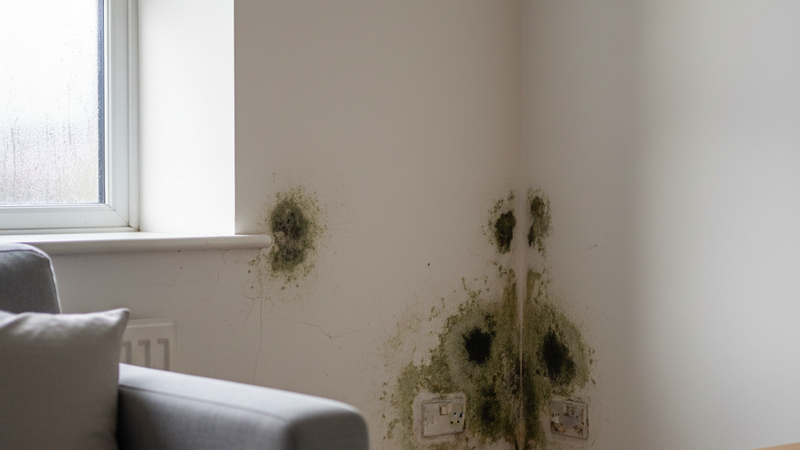
Mould patches on walls are a common and unsightly problem in many UK homes and commercial properties, often indicating underlying moisture issues. Beyond their aesthetic impact, these fungal growths can pose significant risks to both property integrity and human health. Understanding the causes, dangers, and effective remedies for wall mould is crucial for homeowners and tenants alike.
Understanding Mould Patches on Walls
Mould is a type of fungus that thrives in damp, humid, and poorly ventilated environments. Its presence on walls signifies an active moisture source, which must be identified and addressed to achieve effective long-term remediation.
Common Causes of Wall Mould
Several factors contribute to the formation and growth of mould patches on walls. Identifying the root cause is the first step towards a permanent solution.
- Condensation: This is arguably the most prevalent cause in the UK. Warm, moist air coming into contact with cold surfaces (cold walls, windows) causes water vapour to turn into liquid, providing the perfect breeding ground for mould. Common areas include bathrooms, kitchens, and bedrooms.
- Water Leaks: Leaking pipes, roofs, or even overflowing gutters can introduce significant moisture into wall cavities or directly onto surfaces. These leaks can often be hidden, leading to extensive mould growth before detection.
- Rising Damp: Where a property's damp-proof course (DPC) is failing or absent, ground moisture can wick up through the walls. This is typically identifiable by mould and dampness appearing at the lower sections of walls.
- Penetrating Damp: Caused by external water ingress through defects in walls (e.g., cracked render, faulty pointing, porous brickwork), this type of damp can lead to isolated patches of mould.
- Poor Ventilation: Inadequate airflow prevents moist air from escaping, trapping humidity indoors and exacerbating condensation problems.
Identifying Different Types of Mould
While many people colloquially refer to all mould as 'black mould', it comes in various colours and textures. Understanding the visual characteristics can sometimes offer clues about the severity and moisture source, though professional testing is needed for definitive identification.
- Black Mould: Often appears as fuzzy or slimy dark spots. While the term 'black mould' is sensationalised, many types of mould can be black. Some, like Stachybotrys chartarum, are known as toxigenic, but visual identification alone isn't enough to determine toxicity.
- Green/Grey Mould: Common in damp environments, often found on organic materials. Can be fuzzy or powdery.
- White Mould: Can resemble efflorescence (salt deposits from water evaporation), but white mould often has a fuzzy texture and can grow on painted or other surfaces.
- Orange/Pink Mould: Often found in bathrooms or on food, these are typically less common but can appear on walls where moisture is persistent.
Regardless of colour, any visible mould growth should be treated with caution and addressed promptly.
Health & Safety Concerns of Mould Exposure
Exposure to mould, particularly its spores and mycotoxins, can lead to a range of health issues, especially for vulnerable individuals. The National Health Service (NHS) consistently highlights the risks associated with damp and mouldy environments.
Impact on Respiratory Health
Mould spores are microscopic and easily become airborne, where they can be inhaled. This can trigger or worsen respiratory conditions.
- Asthma and Allergies: Mould is a known trigger for asthma attacks and allergic reactions, leading to symptoms like wheezing, coughing, shortness of breath, and nasal congestion.
- Respiratory Infections: Damp and mould can increase the risk of respiratory infections, particularly for people with existing conditions or weakened immunity.
- Chronic Conditions: For some, especially young children and the elderly, mould exposure can contribute to the development of chronic respiratory illnesses.
Important point
The NHS website provides detailed information on allergies and respiratory problems that can be exacerbated by environmental factors like mould.
Other Health Symptoms and Vulnerable Groups
Beyond respiratory issues, mould exposure can manifest in other ways, and certain groups are at higher risk.
- Skin and Eye Irritation: Direct contact or airborne spores can cause skin rashes, redness, and itchy, watery eyes.
- Headaches and Fatigue: Some individuals report general malaise, headaches, and persistent fatigue when living in mould-affected properties.
- Vulnerable Populations: Infants, young children, the elderly, individuals with compromised immune systems (e.g., undergoing chemotherapy, HIV/AIDS), and those with pre-existing respiratory conditions are particularly susceptible to severe health impacts from mould. The Health and Safety Executive (HSE) also highlights workplace mould hazards.
UK Regulations and Standards for Mould Remediation
In the UK, addressing damp and mould is not just a matter of health but also a legal and ethical responsibility, particularly for landlords and housing providers. Several regulations and guidelines are in place to ensure safe living conditions.
Housing Health and Safety Rating System (HHSRS)
The HHSRS is a risk assessment tool used by local authorities to identify and assess potential hazards in residential properties, including those posed by damp and mould. Housing defects are rated as Category 1 (serious) or Category 2 (less serious) hazards.
- Landlord Responsibilities: Under the Housing Act 2004, landlords are legally obliged to ensure their properties are safe and free from Category 1 hazards. Persistent damp and mould can be classified as a Category 1 hazard, requiring landlords to take remedial action.
- Tenant Rights: Tenants have the right to live in a safe home. If a landlord fails to address damp and mould issues, tenants can contact their local council for enforcement action. Recent legislative changes, such as those inspired by Awaab's Law (in force for social landlords in England since 27 October 2025), have further strengthened these protections.
IICRC S520 Guidelines
While not a statutory regulation in the UK, the Institute of Inspection, Cleaning and Restoration Certification (IICRC) S520 Standard for Professional Mould Remediation is the globally recognised benchmark for best practice in mould remediation.
- Professional Standard: Reputable UK mould remediation specialists adhere to the IICRC S520 guidelines, which cover assessment, containment, removal, and post-remediation verification.
- Key Principles: The S520 emphasises source identification and elimination, containment to prevent cross-contamination, safe removal of contaminated materials, and drying to prevent recurrence.
Guidance for Property Owners
For comprehensive understanding of UK housing standards and landlord obligations, refer to official Gov.uk resources on HHSRS.
Professional Mould Remediation Process
When mould patches on walls are extensive or recurrent, professional remediation is essential. A professional remediation process aligns with IICRC S520 standards to ensure thorough and safe removal.
Assessment and Source Identification
The initial phase involves a detailed inspection to understand the extent of the mould problem and, critically, to pinpoint its moisture source.
- Visual Inspection: Surveying all affected and potentially affected areas.
- Moisture Meter Readings: Using non-invasive tools to determine moisture levels within walls and materials.
- Infrared Thermography: Identifying temperature differentials that can indicate hidden moisture or air leakage.
- Air Quality Testing (Optional): Measuring airborne mould spore counts to assess indoor air quality and compare it with outdoor levels.
Containment, Removal, and Cleaning
Once the source is identified, the remediation process focuses on preventing further spread and safe removal.
- Containment: Setting up physical barriers (e.g., polythene sheeting) and using negative air pressure machines to prevent mould spores from spreading to unaffected areas during removal.
- Removal of Contaminated Materials: Non-salvageable porous materials (e.g., plasterboard, insulation, carpets) are safely bagged and disposed of. Washable surfaces are cleaned using specialised antimicrobial solutions.
- HEPA Vacuuming: Thorough vacuuming of all surfaces with High-Efficiency Particulate Air (HEPA) filtered vacuums to capture microscopic mould spores.
- Structural Drying: Employing industrial dehumidifiers and air movers to thoroughly dry out any wet building materials, preventing future mould growth.
Post-Remediation Verification and Prevention
The final stage ensures the remediation was successful and helps prevent future mould issues.
- Post-Remediation Inspection: An independent or internal inspection to confirm that all visible mould has been removed and moisture levels are normalised.
- Air Quality Testing (Post-Remediation): Optional follow-up testing to ensure airborne spore counts have returned to acceptable levels.
- Preventative Measures: Providing advice on long-term moisture control, ventilation improvements, and maintenance specifically tailored to the property.
Prevention and Maintenance Strategies
Preventing mould is far more cost-effective and healthier than dealing with an infestation. Proactive measures can significantly reduce the risk of mould patches returning.
Managing Indoor Humidity and Ventilation
Controlling internal environmental conditions is key to inhibiting mould growth.
- Ventilation: Open windows regularly, especially after showering, cooking, or drying laundry indoors. Use extractor fans in bathrooms and kitchens. Ensure trickle vents in windows are open.
- Dehumidifiers: In areas prone to high humidity, such as basements or poorly ventilated rooms, a domestic dehumidifier can help maintain ideal humidity levels (ideally below 60%).
- Heating: Keep your home adequately and consistently heated, even in unused rooms. Cold spots on walls are prime locations for condensation.
Addressing Moisture Sources and Property Maintenance
Regular property maintenance is crucial to prevent water ingress and leaks.
- Fix Leaks Promptly: Regularly check for and immediately repair any leaks from pipes, roofs, or around windows and doors.
- Gutter Maintenance: Keep gutters and downpipes clear of blockages to ensure water flows away from the property.
- Damp Proofing: Ensure your property’s damp-proof course (DPC) is intact and functioning. Address any signs of rising damp.
- Insulation: Improving wall and loft insulation can help keep internal wall surfaces warmer, reducing condensation.
For more insights on preventing damp, you can explore our general blog or learn about the costs involved with mould removal via our cost calculator.
When to Call Professionals for Mould Remediation
While small mould patches can sometimes be tackled by homeowners, there are clear indicators when professional intervention is necessary to ensure safety and effectiveness.
Indicators for Professional Intervention
Do not hesitate to contact a specialist if you encounter any of the following situations:
- Large Areas of Mould: If the mould covers an area larger than roughly one square metre (10 square feet) or is spreading rapidly.
- Recurrent Mould: If mould continually reappears despite your best cleaning and preventative efforts, indicating an unresolved underlying moisture issue.
- Hidden Mould: If you suspect mould behind walls, under floorboards, or in unventilated spaces (e.g., due to persistent musty odours) but cannot see it.
- Health Concerns: If occupants are experiencing health symptoms that you suspect are related to mould exposure.
- Water Damage: After significant water damage, such as a flood or major leak, even if mould is not immediately visible, it's wise to have a professional assessment.
Why Professional Help Matters
Mould remediation requires specialised equipment, training, and adherence to industry standards like IICRC S520. Professionals ensure safe removal, containment, and address the root cause, preventing future issues. Consider consulting a building surveyor from institutions like RICS for complex structural issues.
Choosing a Reputable Mould Remediation Specialist
Selecting the right professional is crucial for effective and safe mould removal.
- Certifications: Look for companies whose technicians hold certifications, such as those from the IICRC.
- Experience: Choose specialists with a proven track record in comprehensive mould remediation.
- Comprehensive Service: Ensure they offer a full service including assessment, source identification, remediation, and post-remediation verification.
- Insurance: Verify that the company is fully insured.
- References: Ask for references or check online reviews.
Addressing mould patches on walls is vital for maintaining a healthy and safe living environment. By understanding the causes, health risks, and following professional remediation and prevention strategies, you can protect your property and well-being.