Mould Remedy UK: A Comprehensive Guide to Remediation
Discover effective mould remedy strategies and prevention tips for UK homes and businesses, adhering to IICRC S520 guidelines and UK regulations.
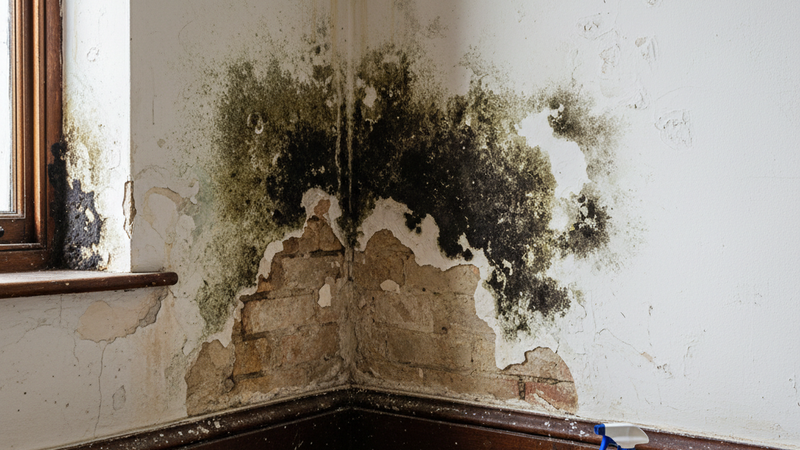
Mould growth in your home or business is more than just unsightly; it can significantly impact health and structural integrity. Understanding the underlying causes and implementing appropriate mould remedy strategies is crucial for maintaining a safe and healthy environment. This comprehensive guide, tailored for a UK audience, delves into effective solutions based on industry best practices and national guidelines.
Understanding Mould Growth and its Impact
Mould, a type of fungi, thrives in damp, humid conditions and reproduces by releasing spores into the air. Identifying the presence of mould and understanding its potential impact is the first step towards an effective mould remedy.
What is Mould and How Does it Form?
Mould isn't always visible, often lurking behind wallpapers, under floorboards, or within wall cavities. It requires three key elements to grow: a food source (like wood, plaster, insulation, or fabric), appropriate temperatures (typically between 5-40°C), and most critically, moisture. Common sources of moisture include plumbing leaks, condensation, rising damp, penetrating damp, and inadequate ventilation. Once established, mould colonies can rapidly spread, leading to extensive damage if not addressed promptly.
Common Types of Mould in the UK
Several species of mould are common in UK properties. These include:
- Cladosporium: Often found on painted surfaces, insulation, and in HVAC systems. Typically appears brown, green, or black.
- Penicillium: Frequently found on materials damaged by water. Appears blue, green, or grey and can spread quickly.
- Aspergillus: One of the most common indoor moulds, found on various surfaces. Can appear in different colours.
- Stachybotrys Chartarum (Black Mould): This infamous mould requires high moisture levels for extended periods. Often appears black or dark green and has a slimy texture.
Health and Safety Concerns Related to Mould
Exposure to mould can have various health implications, particularly for vulnerable individuals. It's essential to understand these risks to prioritise effective mould remedy and prevention.
Health Effects of Mould Exposure
The NHS highlights that mould can trigger allergic reactions, leading to symptoms such as sneezing, runny nose, red eyes, and skin rash. For individuals with asthma, mould can worsen symptoms, causing shortness of breath and wheezing. Other potential health problems include:
- Respiratory infections
- Coughing and postnasal drip
- Headaches and fatigue
- Irritation of the eyes, nose, throat, and skin
Young children, the elderly, individuals with pre-existing respiratory conditions, and those with compromised immune systems are particularly susceptible to mould-related health issues.
Important point
Never ignore visible mould growth or musty odours. Prolonged exposure can lead to chronic health problems and structural deterioration of your property.
Workplace Safety and UK Regulations (HSE)
In workplaces, the Health and Safety Executive (HSE) provides guidance on managing risks from biological agents, including mould. Employers have a legal duty to provide a safe working environment. This includes assessing the risks of mould exposure and taking appropriate control measures. For mould remediation professionals, adherence to stringent safety protocols, including the use of Personal Protective Equipment (PPE) and containment measures, is paramount to protect both workers and occupants.
UK Regulations and Industry Standards for Mould Remediation
Mould remediation in the UK is governed by several regulations and industry guidelines, ensuring a consistent and effective approach to mould remedy.
IICRC S520: The Gold Standard for Mould Remediation
The Institute of Inspection, Cleaning and Restoration Certification (IICRC) S520: Standard for Professional Mould Remediation is the globally recognised guideline for effective and safe mould removal. While not a strict legal requirement in the UK, it represents the industry's best practice. Adherence to IICRC S520 ensures that a mould remedy is not just a surface clean, but a comprehensive process that:
- Identifies and addresses the root cause of moisture.
- Contains the contaminated area to prevent cross-contamination.
- Removes mould-affected materials safely.
- Cleans and decontaminates affected surfaces.
- Conducts post-remediation verification to ensure the problem is resolved.
Housing Health and Safety Rating System (HHSRS) and Awaab's Law
In England and Wales, the Housing Health and Safety Rating System (HHSRS) assesses potential hazards in residential properties, with damp and mould being a significant concern. Local authorities use HHSRS to identify category 1 (serious) and category 2 hazards. Landlords have a legal responsibility to ensure their properties are free from such hazards. The tragic case of Awaab Ishak led to Awaab's Law, in force in England since 27 October 2025. This legislation strengthens requirements for social landlords to address damp and mould issues promptly and effectively, further emphasising the need for professional mould remedy solutions.
The Professional Mould Remediation Process
A professional mould remedy goes beyond simple cleaning, employing a structured process to ensure thorough decontamination and prevent recurrence.
Assessment and Source Identification
The initial phase involves a detailed inspection to locate all mould growth, assess the extent of contamination, and crucially, identify the moisture source. This often includes using thermal imaging cameras, moisture meters, and air sampling. Understanding the source (e.g., a leaking pipe, condensation from poor ventilation, or rising damp) is paramount, as addressing it is key to preventing future mould growth. This step is critical for an effective and lasting mould remedy.
Containment and Remediation Steps
Once assessed, the professional mould remedy process follows these key steps:
- Containment: Using physical barriers (e.g., plastic sheeting, negative air pressure machines) to isolate the contaminated area and prevent spores from spreading to unaffected parts of the property.
- Air Filtration: High-Efficiency Particulate Air (HEPA) air scrubbers and vacuums are used to remove airborne mould spores during and after remediation.
- Moisture Control: The identified moisture source is repaired, and dehumidifiers and air movers are used to dry the affected area completely.
- Removal of Contaminated Materials: Porous materials (like drywall, insulation, carpeting) that cannot be effectively cleaned are safely removed and disposed of according to regulations. Non-porous materials can often be cleaned.
- Cleaning and Disinfection: Affected surfaces are HEPA vacuumed, cleaned with professional-grade biocides (following manufacturer's guidelines), and disinfected to eliminate mould and odours.
- Encapsulation (if necessary): In some cases, after cleaning, a special encapsulant may be applied to resistant surfaces to prevent future mould growth and improve air quality.
Post-Remediation Verification and Clearance Testing
After the physical remediation, a professional will conduct post-remediation verification. This involves a thorough inspection to ensure all visible mould is removed and the area is dry. In some cases, clearance testing (e.g., air sampling, surface sampling) may be performed by an independent third-party hygienist to confirm that mould spore levels have returned to normal baseline levels and the property is safe for reoccupation. This final step confirms the effectiveness of the mould remedy.
Prevention and Maintenance for a Mould-Free Environment
The best mould remedy is prevention. Implementing effective strategies can significantly reduce the risk of future mould growth.
Controlling Humidity and Ventilation
Maintaining indoor humidity levels between 30-50% is crucial. Use dehumidifiers in damp areas (like basements or bathrooms). Ensure adequate ventilation throughout your property:
- Open windows for 10-15 minutes daily, even in winter.
- Use extractor fans in bathrooms and kitchens during and after bathing/cooking.
- Ensure tumble dryers are properly vented to the outside.
- Avoid drying laundry indoors on radiators if possible, or ensure good ventilation when doing so.
Addressing Moisture Sources Promptly
Fix leaks in pipes, roofs, or foundations immediately. Ensure gutters and downpipes are clear and redirect water away from the property's foundation. Check for signs of rising or penetrating damp and address them by improving damp-proofing or exterior drainage. Regularly inspect areas prone to moisture, such as under sinks, around windows, and in basements.
Regular Cleaning and Monitoring
Keep your home clean and dry. Wipe away condensation from windows and walls. Clean and disinfect bathrooms regularly. Pay attention to any musty odours, which can be an early indicator of hidden mould. If you suspect an issue, consider a professional mould inspection to catch problems early before they escalate. For an estimate of costs involved, use our mould removal cost calculator.
When to Call Professional Mould Remediation Specialists
While small patches of mould might be tackled with DIY methods, certain situations necessitate professional intervention for a safe and effective mould remedy.
Indicators for Professional Intervention
You should consider calling professionals if:
- The mould covers an area larger than one square metre (approximately 10 square feet) or is extensive.
- You suspect mould is present in hidden areas (e.g., behind walls, under flooring).
- There's a strong, pervasive musty odour, even if no visible mould is present.
- Anyone in the property is experiencing mould-related health symptoms.
- The mould has appeared after significant water damage (e.g., flood, burst pipe).
- You are a landlord and need to comply with HHSRS or Awaab's Law regulations.
The Benefits of Professional Services
Professional mould remediation specialists bring expertise, specialised equipment, and adherence to standards like IICRC S520. They not only remove the mould but also address the underlying moisture issues, preventing reoccurrence. They ensure proper containment, safe disposal, and post-remediation verification, protecting both your property and your health. Choosing a certified professional guarantees a thorough and lasting mould remedy.
Further Reading
For more in-depth scientific understanding of fungal growth for a mould remedy, refer to academic resources such as those from Cambridge University or the University of Oxford on mycology and indoor air quality.