Mould Repair UK: Expert Guide to Remediation & Prevention
Comprehensive guide to mould repair in UK homes and businesses, covering identification, health risks, professional remediation, and effective prevention strategies.
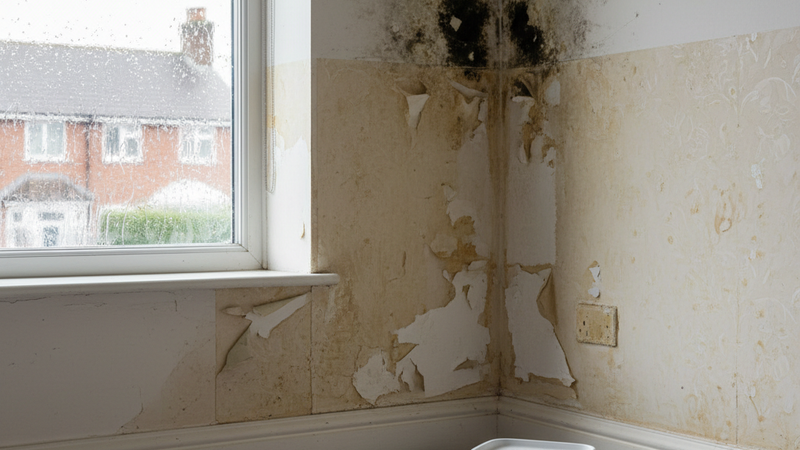
Mould, a common and unwelcome guest in many UK properties, can pose significant health risks and cause structural damage if left unaddressed. Understanding the nuances of effective mould repair, or more accurately, mould remediation, is crucial for maintaining a healthy and safe indoor environment. This comprehensive guide will walk you through everything you need to know about tackling mould issues in the UK, from identification to professional intervention and long-term prevention.
Understanding Mould and Its Impact
Mould is a type of fungus that thrives in damp, humid conditions, reproducing by means of tiny spores. These spores are omnipresent in the air, both indoors and outdoors, but they only become a problem when they land on a damp surface and begin to grow.
Common Types of Mould in the UK
While there are thousands of mould species, some are more frequently encountered in UK homes and businesses. Recognising their appearance can be the first step in identifying an issue.
- Cladosporium: Often found on fabrics, wood surfaces, and insulation, it appears green, brown, or black and can grow at cooler temperatures.
- Aspergillus: Very common indoors, often appearing as patches of green, white, or grey, particularly on dusty surfaces, walls, and stored food.
- Penicillium: Frequently found on materials damaged by water, insulation, and old mattresses. It typically has a blue-green, fuzzy appearance.
- Stachybotrys Chartarum (Black Mould): This highly concerning mould is often dark green or black and slimy to the touch, requiring significant moisture to grow. It is commonly found on cellulose-rich materials like gypsum board, wood, and paper.
What Causes Mould Growth?
Mould requires three primary conditions to flourish: mould spores, a food source (any organic material), and moisture. In UK homes, moisture is almost always the limiting factor.
- Condensation: A major culprit, especially during colder months. Warm, moist air comes into contact with cold surfaces (windows, external walls), leading to water droplets.
- Water Leaks: From pipes, roofs, or foundations, even small, undetected leaks can create ideal mould habitats behind walls or under floors.
- High Humidity: Poor ventilation in bathrooms, kitchens, and utility rooms can trap moisture indoors, raising overall humidity levels.
- Damp Proofing Issues: Rising damp or penetrating damp can introduce moisture directly into the building fabric.
Important Point:
Addressing the underlying moisture source is paramount. Without controlling humidity or fixing leaks, any mould 'repair' will be temporary and the mould is likely to return.
Health and Safety Concerns of Mould
Exposure to mould, particularly its spores, can have a range of adverse health effects, making effective mould repair and removal a health imperative. The severity of symptoms can vary based on individual sensitivity, the type of mould, and the extent of exposure.
Potential Health Effects of Mould Exposure
The NHS website provides clear guidance on the health impacts of damp and mould. Common symptoms often mimic those of allergies or colds:
- Respiratory Issues: Wheezing, coughing, shortness of breath, exacerbated asthma. Individuals with pre-existing respiratory conditions are particularly vulnerable.
- Allergic Reactions: Sneezing, runny nose, red eyes, skin rash, and watery eyes.
- Irritation: Itchy eyes, nose, throat, or skin.
- Infections in vulnerable people: For individuals with compromised immune systems, mould exposure can lead to more serious infections.
- Other Symptoms: Headaches, fatigue, and difficulty concentrating have also been reported.
Vulnerable Groups and HSE Guidelines
Certain groups are more susceptible to mould's adverse effects. This includes babies, young children, older adults, individuals with pre-existing respiratory conditions like asthma, those with weakened immune systems, and people with allergies. The Health and Safety Executive (HSE) provides guidance for workplaces; for rented homes, landlords' duties on damp and mould are enforced by local council Environmental Health teams under the Housing Act 2004.
Warning:
Never attempt to clean large areas of mould (over 1 square metre) or black mould without proper personal protective equipment (PPE) and containment. Disturbing mould can release millions of spores into the air, worsening the problem.
UK Regulations and Standards for Mould Remediation
In the UK, a framework of regulations and best practice guidelines exists to ensure that mould issues are addressed effectively and safely, protecting both occupants and remediation professionals. Adhering to these standards is crucial for proper mould repair.
IICRC S520 Guidelines: Industry Best Practice
The IICRC S520 Standard for Professional Mould Remediation is the globally recognised benchmark for addressing mould contamination. Although not a legal requirement in the UK, it is the standard adopted by reputable mould remediation specialists. Adherence to S520 ensures:
- Thorough Assessment: Identifying the source of moisture and extent of contamination.
- Containment: Preventing the spread of mould spores during remediation.
- Source Removal: Rather than just cleaning, affected materials are often safely removed.
- Personal Protective Equipment (PPE): Ensuring the safety of workers.
- Post-Remediation Verification: Ensuring the property is returned to a pre-contamination state.
You can learn more about IICRC standards on their official website.
Housing Health and Safety Rating System (HHSRS)
For landlords and housing providers, the Housing Health and Safety Rating System (HHSRS) is a statutory instrument in England and Wales. It assesses 29 housing hazards, including 'Damp and Mould Growth', which is categorised as a Category 1 Hazard if severe. Landlords have a legal obligation to address Category 1 hazards to ensure properties are fit for human habitation. Failure to comply can lead to enforcement action by local authorities.
Awaab's Law and Future Regulations
The tragic death of Awaab Ishak due to prolonged exposure to black mould has led to the introduction of Awaab's Law, in force in England since 27 October 2025. This legislation places stricter duties on social landlords to investigate and repair hazards like damp and mould within specified timescales. While primarily focused on social housing, its principles are likely to influence best practice across the entire housing sector.
The Professional Mould Remediation Process
Professional mould repair, or remediation, is a systematic process designed to safely and effectively remove mould, prevent its return, and restore the affected environment. It extends far beyond simple cleaning.
Initial Assessment and Contaminant Identification
The process begins with a comprehensive inspection to identify the mould's species, extent of growth, and critically, its moisture source. This often involves:
- Visual Inspection: Looking for visible mould and signs of water damage.
- Moisture Detection: Using moisture meters, thermography, and hygrometers to pinpoint hidden dampness in walls, floors, and ceilings.
- Air Quality Testing (if required): To assess airborne spore counts and identify hidden mould.
- Lab Analysis: Swab or air samples may be sent to an accredited laboratory to identify mould types and concentrations.
This stage is crucial for developing an effective remediation strategy and accurately estimating mould removal costs.
Containment and Source Removal
Once the extent is known, containment measures are put in place to prevent spores from spreading to unaffected areas. This can involve:
- Physical Barriers: Using polythene sheeting and zip-walls to seal off the affected area.
- Negative Air Pressure: Utilising specialist equipment with HEPA filters to create negative pressure, ensuring air flows into the containment zone, not out.
- Removal of Contaminated Materials: Unlike surface cleaning, professional remediation focuses on removing the mould and the contaminated materials it has colonised (e.g., drywall, insulation, carpeting).
- Thorough Cleaning: All remaining surfaces within the containment area are HEPA vacuumed and treated with appropriate antimicrobial solutions approved for mould remediation.
Drying, Prevention, and Post-Remediation Verification
After removal, the area is thoroughly dried using industrial dehumidifiers and air movers to eliminate residual moisture. This is followed by:
- Repairing the Moisture Source: The identified leak or damp issue must be permanently resolved to prevent recurrence.
- Encapsulation (if necessary): In some cases, treated surfaces may be sealed with an antimicrobial coating.
- Post-Remediation Verification (PRV): A final inspection and potentially air testing ensure that the mould has been effectively removed and the environment is safe and healthy. This independent verification provides peace of mind.
Mould Prevention and Maintenance Strategies
Preventing mould is significantly easier and less costly than extensive mould repair. Proactive measures can keep your UK property mould-free.
Controlling Humidity and Ventilation
Moisture management is key. Simple practices can make a big difference:
- Ventilate Regularly: Open windows for short periods daily, especially after showering, cooking, or drying laundry indoors.
- Use Extractor Fans: Ensure bathrooms and kitchens have working extractor fans and use them consistently.
- Dehumidifiers: In particularly damp rooms or during extended periods of high humidity, a dehumidifier can be highly effective.
- Adequate Heating: Maintain a consistent, moderate temperature throughout your home to reduce condensation. Avoid drying clothes directly on radiators.
Addressing Water Leaks and Dampness
Regular inspections for leaks are vital:
- Check Pipes and Roof: Periodically inspect plumbing, roofing, and guttering for leaks or damage.
- Seal Cracks: Repair any cracks in exterior walls or foundations that could allow water penetration.
- Improve Drainage: Ensure rainwater drains away from your property's foundation.
- Clean Gutters: Blocked gutters can cause rainwater to overflow and seep into walls.
When to Call Professional Mould Remediation Experts
While small patches of surface mould (less than 1 square metre) can often be managed by homeowners using appropriate safety measures, there are clear instances where professional intervention for mould repair is essential.
Signs You Need Professional Help
- Extensive Growth: If the mould covers an area larger than 1 square metre (roughly a 3ft x 3ft patch).
- Hidden Mould: If you smell a musty odour but cannot see mould, it likely lurks behind walls, under flooring, or in inaccessible areas.
- Persistent Mould: If mould repeatedly returns despite your cleaning efforts, the underlying moisture issue hasn't been resolved.
- Health Concerns: If occupants are experiencing persistent mould-related health symptoms.
- "Black Mould": Any suspicion of Stachybotrys Chartarum or other potentially toxic species warrants professional assessment.
- Post-Flood or Water Damage: Properties affected by significant flooding or burst pipes are at high risk for widespread mould.
- Rentals/Commercial Properties: Landlords and business owners have specific legal duties and should always engage professionals for significant mould issues.
Benefits of Professional Mould Repair Services
Engaging professional mould remediation specialists offers numerous advantages:
- Expertise: Professionals have the training and experience to accurately identify mould types, locate hidden sources, and implement effective remedies.
- Specialised Equipment: They utilise industrial-grade dehumidifiers, HEPA air scrubbers, containment tools, and PPE that are unavailable to the average homeowner.
- Safe Removal: They follow IICRC S520 guidelines to ensure mould is removed safely and without spreading spores.
- Long-term Solutions: Professionals don't just clean; they identify and fix the root cause of the moisture problem, offering lasting mould repair.
- Health Protection: Minimises exposure risks for you and your family.
- Peace of Mind: Knowing the job is done right, often with post-remediation verification and guarantees.
If you suspect a significant mould problem in your property, don't hesitate to seek expert advice. Preventing mould is always the best approach, but when an issue arises, professional mould repair ensures your property remains a safe and healthy environment. For more information and resources, consider exploring our blog or consulting academic resources from institutions like UK universities.