Mould Sentence: Understanding & Eradicating Mould in UK Homes
Deciphering the 'mould sentence' in your UK property? This guide covers health risks, UK regulations, professional remediation, and prevention strategies.
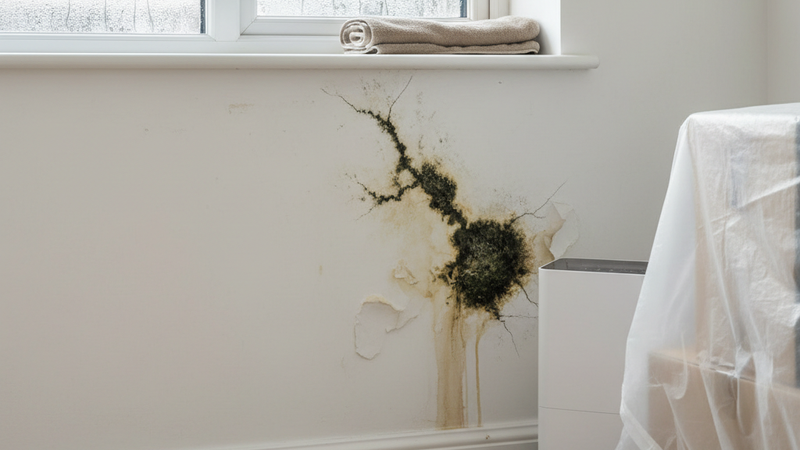
The term 'mould sentence' might sound dramatic, but for many UK homeowners and tenants, it perfectly encapsulates the pervasive and often frustrating challenge of dealing with persistent mould growth. This comprehensive guide will demystify what mould is, its significant health implications, relevant UK regulations, and how professional remediation, guided by standards like IICRC S520, can provide a lasting solution, ensuring your living environment is safe and healthy.
Understanding the 'Mould Sentence' in Your Property
Mould isn't just an unsightly stain; it's a living organism that thrives in damp conditions, breaking down organic matter. When mould takes hold in a property, it can feel like a daunting 'sentence' due to its stubborn nature and potential impact on health and property value. Recognising the signs and understanding its causes are the first steps to liberation.
What is Mould and Why Does it Grow?
Moulds are microscopic fungi that reproduce by means of spores. These spores are omnipresent in the air, both indoors and outdoors. They only become problematic when they land on a damp surface and begin to colonise. In UK homes, common culprits for dampness include:
- Condensation: Often due to poor ventilation, leading to moisture build-up on cold surfaces (windows, external walls).
- Leaks: From roofs, pipes, or appliances, providing a constant water source.
- Rising Damp: Moisture drawn up from the ground through capillary action.
- Penetrating Damp: Water ingress through walls due to structural defects or damaged rendering.
Once established, mould can quickly spread, feeding on organic materials like plasterboard, wood, wallpaper, and even dust.
Common Types of Mould Found in UK Homes
While there are thousands of mould species, some are more commonly found in domestic settings. Identifying the exact species usually requires laboratory testing, but general appearance can offer clues:
- Black Mould (Stachybotrys chartarum): Often associated with water damage, it typically appears slimy and dark greenish-black.
- Cladosporium: Common on painted surfaces, insulation, and in air ducts, often appearing green or brown.
- Penicillium & Aspergillus: Frequently found on damp materials, these can be white, green, or blue-green and are often powdery or velvety.
Health & Safety Concerns Associated with Mould
The presence of mould isn't just an aesthetic problem; it poses significant health risks, particularly for vulnerable individuals. The NHS provides clear guidance on the adverse health effects of damp and mould.
Impact on Respiratory Health and Allergies
Mould spores can be inhaled, leading to a range of respiratory issues. For individuals with asthma, mould can trigger attacks, worsen symptoms, and lead to chronic breathing difficulties. Others may experience:
- Wheezing, coughing, and shortness of breath
- Nasal stuffiness and runny nose
- Eye irritation (red, watery eyes)
- Skin rashes or irritation
- Sore throat
People with allergies to mould can experience severe reactions, and even those without pre-existing conditions can develop sensitivities over time due to prolonged exposure.
Vulnerable Groups and Mycotoxin Exposure
Certain groups are particularly susceptible to the effects of mould:
- Infants and young children: Developing immune systems are more vulnerable.
- Elderly individuals: Often have weaker immune systems and pre-existing respiratory conditions.
- People with compromised immune systems: Such as those undergoing chemotherapy or with autoimmune diseases.
- Individuals with chronic respiratory illnesses: Like cystic fibrosis or COPD.
Some moulds produce toxic compounds called mycotoxins. While direct evidence of mycotoxin poisoning from inhaled mould in domestic settings is debated, the Health and Safety Executive (HSE) advises that mould should always be treated as a potential health hazard and removed promptly.
Important point
Never ignore mould, especially if it covers a large area or if anyone in the property experiences unexplained health issues. Professional assessment is crucial.
UK Regulations and Standards for Mould Remediation
In the UK, both landlords and homeowners have responsibilities regarding property maintenance and the removal of hazardous conditions like mould. Several regulations and industry standards guide effective mould remediation.
Housing Health and Safety Rating System (HHSRS)
The Housing Health and Safety Rating System (HHSRS) is a risk assessment tool used by local authorities to identify and evaluate potential hazards in residential properties. Damp and mould growth are recognised as a Category 1 hazard if severe enough to pose a serious risk to health. Landlords are legally obliged to address Category 1 hazards. Failure to do so can result in enforcement action, including improvement notices or even prosecution.
IICRC S520 Standard for Professional Remediation
While not a statutory UK law, the IICRC S520 Standard for Professional Mould Remediation is the globally recognised benchmark for best practice in the mould remediation industry. This standard outlines comprehensive procedures for:
- Assessment: Identifying the extent of mould contamination and its moisture source.
- Containment: Preventing the spread of mould spores during remediation.
- Source Elimination: Repairing the underlying moisture problem.
- Removal: Safely removing mould-affected materials.
- Cleaning & Drying: Thorough cleaning and structural drying.
- Verification: Post-remediation inspection and testing to ensure success.
Engaging an IICRC-certified specialist ensures that the remediation process is conducted safely, effectively, and to the highest professional standards, minimising recurrence and protecting occupants.
Awaab's Law and Tenant Rights
Following the tragic death of Awaab Ishak, new legislation, known as Awaab's Law, has been in force in England since 27 October 2025. It places a legal duty on social landlords to investigate and fix reported hazards, including damp and mould, within strict timeframes. While primarily targeting social housing, it signals a broader shift towards greater accountability for housing conditions and is likely to influence standards across all tenures.
The Professional Mould Remediation Process
Effective mould remediation goes far beyond simply cleaning visible mould. A professional, IICRC S520-compliant process ensures that mould is not only removed but also that its return is prevented.
Initial Assessment and Moisture Source Identification
The first crucial step is a thorough inspection. This involves:
- Visual Inspection: Identifying visible mould growth.
- Moisture Mapping: Using moisture meters, thermal imaging cameras, and hygrometers to pinpoint hidden dampness and the source of water ingress.
- Air Quality Testing (Optional): To assess spore levels and identify hidden mould.
- Developing a Remediation Protocol: A detailed plan outlining the scope of work, containment strategies, and required equipment.
Containment, Removal, and Cleaning
Once the source is identified and isolated, the physical remediation begins:
- Containment: Establishing physical barriers (e.g., poly sheeting, negative air pressure) to prevent mould spores from spreading to uncontaminated areas during removal.
- Air Filtration: Using HEPA air scrubbers to capture airborne mould spores.
- Material Removal: Non-salvageable, mould-affected materials (e.g., plasterboard, insulation, carpet) are carefully removed, bagged and sealed, and disposed of in line with UK waste regulations.
- Surface Cleaning: Hard, non-porous surfaces are meticulously cleaned using appropriate biocides and anti-microbial agents, followed by HEPA vacuuming.
- Drying: Structural drying equipment (dehumidifiers, air movers) is used to thoroughly dry all affected areas to prevent recurrence.
Post-Remediation Verification and Prevention
After the physical removal and cleaning, a final inspection ensures the job is complete. This may include:
- Visual Inspection: Confirming no visible mould remains.
- Moisture Readings: Ensuring all materials are dry to acceptable levels.
- Post-Remediation Air Sampling (Optional): To confirm spore levels have returned to normal baseline levels.
Crucially, advice on preventing future mould growth is provided, focusing on maintaining proper ventilation and humidity levels.
Prevention and Maintenance to Avoid the 'Mould Sentence'
The best way to deal with mould is to prevent it from growing in the first place. Proactive measures can significantly reduce the risk of a 'mould sentence' in your home.
Controlling Humidity and Improving Ventilation
Moisture management is key:
- Ventilate Regularly: Open windows for 15-20 minutes daily, especially after showering, cooking, or drying laundry indoors.
- Use Extractor Fans: Ensure bathroom and kitchen extractor fans are used and properly vented to the outside, not into the loft space.
- Maintain Consistent Heating: Keep your home at a stable, comfortable temperature to avoid cold spots where condensation can form.
- Consider Dehumidifiers: In particularly damp areas or during winter months, a dehumidifier can help keep indoor humidity below 60%.
Addressing Leaks and Structural Issues Promptly
Any water ingress must be fixed immediately:
- Check for Leaks: Regularly inspect pipes, roofs, and window seals for signs of leaks.
- Maintain Gutters and Downpipes: Ensure they are clear and functional to direct rainwater away from the property.
- Inspect Exterior Walls: Look for cracks in rendering or pointing that could allow penetrating damp.
Regular Cleaning and Monitoring
Simple habits can make a big difference:
- Clean Surfaces Regularly: Wipe down bathroom tiles, shower curtains, and window frames to remove any early signs of mould.
- Avoid Over-Cluttering: Allow air to circulate around furniture and possessions.
- Use Mould-Resistant Products: When redecorating, consider paints and sealants with mould inhibitors in damp-prone areas.
When to Call Professional Mould Remediation Specialists
While minor surface mould can sometimes be tackled by homeowners, there are clear instances where professional intervention is not only recommended but essential.
Signs Your Mould Problem Requires Expert Intervention
You should contact specialists if:
- The Mould Covers a Large Area: Generally, if mould covers more than 1 square metre (roughly a metre by a metre, or about eight A3 sheets of paper), it's best left to professionals.
- You Suspect Hidden Mould: Musty odours without visible mould often indicate hidden growth behind walls, under floors, or in ceiling voids.
- There's Been Significant Water Damage: Flooding or major leaks almost always lead to mould within 24-48 hours.
- Anyone in the Property is Experiencing Health Issues: Especially respiratory problems, unexplained allergies, or worsening asthma.
- You Are a Vulnerable Individual: Or live with someone who is particularly sensitive to mould.
- The Mould Keeps Returning: This indicates an unresolved moisture source that needs expert diagnosis.
Warning: DIY Mould Removal Risks
Attempting to remove large mould infestations yourself without proper personal protective equipment (PPE) and containment can spread spores, worsen the problem, and expose you to significant health risks. It's often a false economy.
Benefits of Choosing IICRC-Certified Specialists
Choosing an IICRC-certified mould remediation company ensures:
- Expert Knowledge: Technicians are trained in the science of mould and advanced remediation techniques.
- Adherence to Best Practices: Work is carried out according to the highest industry standards (IICRC S520).
- Specialised Equipment: Access to professional-grade tools for detection, containment, and removal.
- Effective Source Resolution: Focus on identifying and fixing the root cause of dampness, not just surface cleaning.
- Health and Safety Compliance: Proper use of PPE and containment to protect occupants and workers.
- Long-Term Solutions: Providing advice and strategies for ongoing prevention.
Navigating Costs and Getting a Quote
The cost of mould remediation varies significantly based on the extent of the contamination, the underlying cause, and the materials affected. Professional companies will typically provide a detailed quotation after a thorough inspection. While it might seem like a significant outlay, investing in professional remediation protects your health and property value in the long run. You can explore a general overview of expenses using our mould removal cost calculator, but a bespoke quote is always recommended.
Don't let a 'mould sentence' dictate the health and comfort of your home. By understanding the risks, adhering to best practices, and knowing when to call in the experts, you can ensure a mould-free living environment. For more expert insights and solutions, feel free to browse our blog.