Mould White: Understanding, Risks & UK Remediation
Discover what 'mould white' is, its health risks, and how professional remediation services in the UK can safely address it, adhering to IICRC S520 standards.
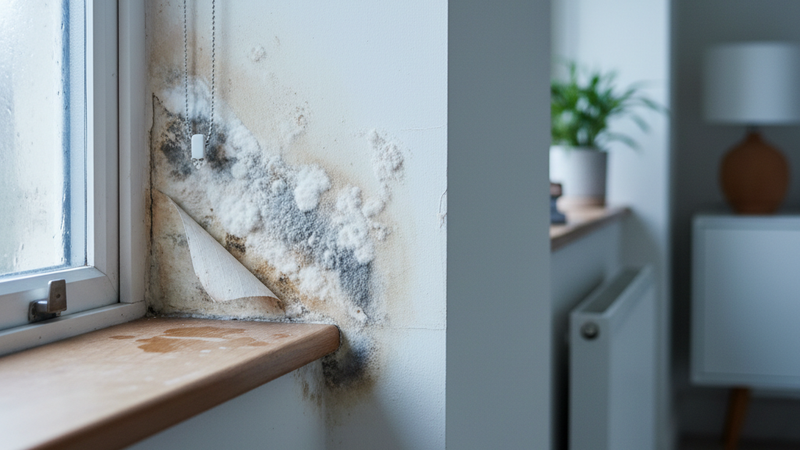
Understanding 'mould white' is crucial for UK homeowners and property managers. Often mistaken for efflorescence or harmless dust, this type of mould can pose significant health risks and compromise structural integrity if left unaddressed. This comprehensive guide will delve into identifying white mould, its health implications, UK-specific regulations, and the professional remediation strategies essential for its effective removal.
What is 'White Mould' and How to Identify It?
White mould can be a nebulous term, often referring to several species of fungi that appear white, off-white, or powdery. Unlike the more commonly recognised black or green moulds, white mould can be more challenging to identify, sometimes blending in with the surface it colonises. Its presence typically indicates a moisture problem, which is the root cause of all mould growth.
Common Characteristics of White Mould
White mould possesses distinct characteristics that differentiate it from other fungal growths. It often appears as a fluffy, cotton-like, or powdery substance. It can sometimes be mistaken for efflorescence, a harmless salt deposit. A simple test involves spraying a small amount of water on the suspected area: efflorescence will dissolve, while mould will not. Typical locations include damp basements, crawl spaces, attics, and areas with condensation, such as around windows or on cold pipes.
- Appearance: Powdery, fluffy, cotton-like, or thread-like.
- Scent: Can produce a musty, earthy smell, though sometimes less pronounced than other mould types.
- Location: Often found on wood, drywall, carpets, upholstery, concrete, and organic materials in damp environments.
- Difficulty in Identification: Can be confused with efflorescence (especially on masonry) or simple dust accumulation.
Distinguishing White Mould from Efflorescence
The most common misidentification with white mould is efflorescence. Efflorescence is a crystalline salt deposit that forms on porous materials like concrete, brick, or stone, when water containing soluble salts evaporates. It's often dry and crumbly. White mould, on the other hand, is a living organism. To differentiate:
- Texture: Efflorescence is typically dry and crystalline; mould can be slimy, fuzzy, or powdery but feels organic.
- Solubility: Efflorescence dissolves in water; mould does not.
- Smell: Efflorescence is odourless; mould often has a distinct musty odour.
- Growth Pattern: Efflorescence often appears on mortar joints or porous surfaces; mould can grow on virtually any organic material if moisture is present.
Health and Safety Concerns Associated with White Mould
Exposure to any type of mould, including white mould species, can trigger a range of adverse health effects, particularly in sensitive individuals. The health impacts are not dependent on the mould's colour but rather on the mycotoxins and spores it releases. The National Health Service (NHS) consistently advises that mould should be removed promptly due to potential health risks.
Potential Health Effects of Mould Exposure
Inhaling or touching mould spores can lead to various symptoms, which can range from mild to severe depending on the individual's sensitivity and the extent of exposure. Common symptoms include:
- Respiratory Issues: Wheezing, coughing, shortness of breath, asthma attacks.
- Allergic Reactions: Sneezing, runny nose, red eyes, skin rashes.
- Irritation: Eye, nose, throat, and skin irritation.
- Headaches and Fatigue: Some individuals report headaches, fatigue, and difficulty concentrating.
Vulnerable populations, such as infants, the elderly, those with pre-existing respiratory conditions, and individuals with compromised immune systems, are particularly at risk. For more information, refer to the NHS guidance on damp and mould.
Recognising Symptoms and When to Seek Medical Advice
If you or members of your household experience persistent symptoms that worsen indoors or after spending time in a property with suspected mould, it is advisable to consult a GP. Documenting symptoms and potential exposure can aid diagnosis. Do not attempt to self-diagnose or attribute all symptoms solely to mould, but recognise it as a potential contributing factor.
Important point
The risks from mould are not directly related to its colour. Any visible mould growth indoors indicates a moisture problem and should be addressed promptly to protect health.
UK Regulations and Industry Standards for Mould Remediation
In the UK, mould remediation is governed by a combination of health and safety legislation and industry best practices. Adherence to these standards ensures safe and effective removal, protecting both occupants and remediation specialists. Landmark legislation like Awaab's Law further emphasises landlord responsibilities for damp and mould.
IICRC S520: The Gold Standard for Mould Remediation
The Institute of Inspection, Cleaning and Restoration Certification (IICRC) S520 standard, titled 'Standard for Professional Mould Remediation', is widely recognised as the definitive guide for mould clean-up procedures. Although an international standard, it is adopted by professional remediation companies across the UK. Key principles include:
- Containment: Preventing the spread of mould spores to unaffected areas.
- Source Identification: Finding and rectifying the root cause of moisture.
- Removal: Physical removal of mould, not just treatment.
- Drying: Ensuring all affected materials are thoroughly dried.
- Post-remediation Verification: Testing to confirm mould has been successfully removed and the environment is safe.
Professional remediation in the UK will strictly follow these guidelines to ensure the safety and effectiveness of their work. More details can be found on the IICRC website.
Housing Health and Safety Rating System (HHSRS)
The Housing Health and Safety Rating System (HHSRS) is a risk assessment tool used by local authorities in England and Wales to assess hazards in residential properties, including damp and mould. Under HHSRS, severe damp and mould can be categorised as a Category 1 hazard, requiring landlords to take immediate action to mitigate risks. This legal framework places a significant onus on landlords to maintain healthy living conditions.
Did you know?
The HSE provides detailed information and guidance on managing risks from damp and mould in the workplace, which also informs best practices for domestic environments. See HSE guidance on mould.
Professional White Mould Remediation Process
Professional mould remediation is a systematic process designed to safely and effectively remove mould, addressing both the visible growth and its underlying cause. Attempting to clean significant mould infestations without proper training and equipment can inadvertently spread spores and exacerbate the problem.
Assessment and Containment
The first step involves a comprehensive assessment to determine the extent of mould growth, identify the moisture source, and evaluate affected materials. This often includes moisture mapping and air quality testing. Once assessed, containment measures are put in place, using physical barriers and negative air pressure to prevent mould spores from spreading to clean areas of the property during remediation.
- Initial Inspection: Detailed visual inspection, moisture meter readings, and infrared camera use.
- Risk Assessment: Determining potential health risks and necessary safety precautions.
- Containment Setup: Sealing off affected areas with polyethylene sheeting and establishing critical barriers.
- Air Filtration: Using HEPA air scrubbers to clean the air within the contained area.
Removal, Cleaning, and Drying
Mould removal involves physically eliminating contaminated materials. Porous materials like drywall, insulation, and carpets often require removal and disposal. Non-porous surfaces can usually be cleaned using specialised antimicrobial solutions and HEPA vacuuming. Crucially, the moisture source must be repaired, and the area thoroughly dried using professional dehumidifiers and air movers to prevent recurrence.
After physical mould removal, a thorough cleaning of the entire work area is performed, followed by a final drying stage. This ensures that moisture levels are returned to normal to inhibit future mould growth. For an estimate, you can use our cost calculator.
Post-Remediation Verification and Prevention
Once remediation is complete, a post-remediation verification (PRV) is conducted, often by an independent third party. This involves a visual inspection, moisture content testing, and sometimes air sampling to confirm that mould levels have returned to normal and the property is safe for reoccupation. Long-term prevention strategies, such as improving ventilation and addressing humidity, are then discussed with the property owner.
Prevention and Long-Term Maintenance
Preventing mould growth, including white mould, is always preferable to remediation. Effective prevention hinges on controlling moisture and maintaining good indoor air quality. Small actions can make a big difference in keeping your UK home mould-free.
Controlling Moisture and Humidity
The primary driver of mould growth is excess moisture. Implementing strategies to manage moisture is paramount:
- Fix Leaks: Promptly repair any plumbing leaks, roof leaks, or DPC issues.
- Ventilation: Ensure good ventilation in kitchens and bathrooms by using extractor fans and opening windows.
- Dehumidifiers: Use dehumidifiers in damp areas like basements or during humid seasons.
- Condensation Management: Wipe down condensed surfaces, especially windows, daily.
- Dry Wet Areas: Thoroughly dry any spills or wet areas within 24-48 hours.
Improving Indoor Air Quality
Beyond moisture control, maintaining good indoor air quality can discourage mould growth. This includes:
- Air Circulation: Allow air to circulate freely by not overcrowding rooms and keeping furniture a few inches from walls.
- Heating: Maintain a consistent, comfortable indoor temperature, especially in winter, to prevent cold spots where condensation can form.
- Regular Cleaning: Clean regularly to remove dust, which can contain mould spores and act as a food source.
- Avoid Over-drying Clothes Indoors: If possible, dry clothes outdoors or use a tumble dryer vented outside.
When to Call Professional Mould Remediation Specialists
While small patches of mould might be manageable with DIY cleaning, knowing when to call in the experts is vital for safety and effectiveness. Professionals have the training, equipment, and experience to handle mould infestations thoroughly and prevent secondary contamination.
Indicators for Professional Intervention
You should consider calling a professional mould remediation company if any of the following apply:
- Large Affected Area: If the mould covers an area larger than one square metre (approximately 10 square feet) or if it's widespread.
- Hidden Mould: If you suspect mould behind walls, under flooring, or in HVAC systems due to a persistent musty smell or adverse health reactions.
- Health Concerns: If occupants are experiencing severe or persistent health issues that you suspect are linked to mould.
- After Water Damage: Following significant water damage from floods, burst pipes, or persistent leaks.
- Vulnerable Occupants: If infants, elderly individuals, or people with respiratory conditions or compromised immune systems live in the property.
- Recurrent Mould: If mould repeatedly returns despite your best cleaning efforts, indicating an unresolved moisture issue.
The Value of Certified Remediation Experts
Certified mould remediation specialists in the UK adhere to standards like the IICRC S520. They are equipped with Personal Protective Equipment (PPE), specialised cleaning agents, negative air machines, HEPA vacuums, and drying equipment. Their expertise ensures not only the removal of visible mould but also the identification and rectification of the moisture source, crucial for long-term prevention. For more insights into property health, explore our blog.
Seeking advice
Consider consulting with a local university or environmental health department for independent advice on severe mould issues, such as those that have impacted structural integrity or health.University of Reading Biological Sciences for example, performs relevant research.