Understanding Moulded Form: UK Expert Guide to Remediation
Discover the risks of 'moulded form' in your UK property, IICRC S520 aligned remediation, and essential prevention strategies for a healthier home.
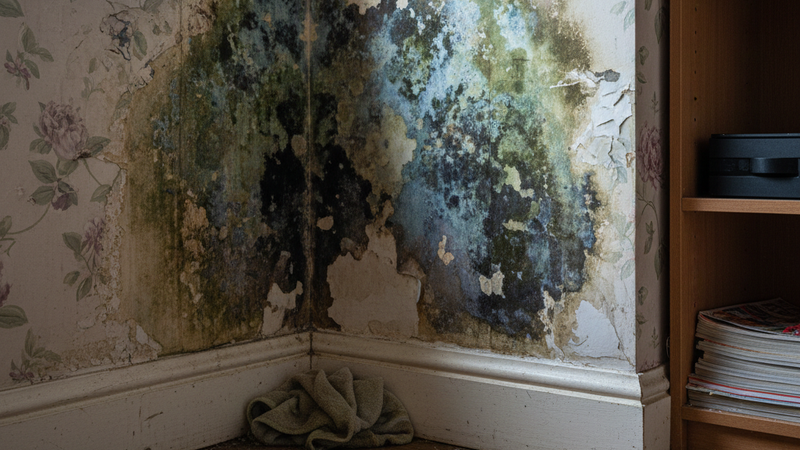
The presence of 'moulded form' often indicates a significant indoor air quality issue stemming from excessive moisture. This guide provides a comprehensive overview for UK homeowners and landlords on identifying, understanding, and effectively remediating mould, adhering to stringent health and safety standards.
What is 'Moulded Form' and Why is it a Concern?
When we refer to 'moulded form,' we are describing the visible manifestation of fungal growth on surfaces within a building. Mould is a natural part of our environment, but its unchecked growth indoors can lead to various problems, both structural and health-related.
Understanding Mould Growth Conditions
Mould requires specific conditions to thrive: moisture, a food source (practically any organic material like wood, drywall, fabrics), suitable temperature (typically room temperature), and oxygen. Inadequate ventilation, leaks, condensation, and flooding are common culprits for creating the damp environments mould loves. Once established, it releases spores into the air, leading to its spread.
Common Types and Appearance
There are thousands of mould species, but a few are commonly found in UK homes. These include:
- Cladosporium: Often black or green, found on textiles and wood.
- Penicillium: Blue-green, velvety texture, frequently found on materials with water damage.
- Aspergillus: Green, white, or grey, common on food and damp surfaces.
- Stachybotrys chartarum (Black Mould): Dark green or black, slimy texture, often found on materials with high cellulose content (e.g., drywall, wood) after prolonged water exposure.
The appearance of mould can vary significantly, from fuzzy patches to speckled stains, and it can grow in various colours. Any unexplained discolouration coupled with a musty odour should be investigated as potential mould.
Health & Safety Concerns Posed by Mould
Exposure to mould, particularly its spores and mycotoxins, can have a range of adverse health effects, making it a critical health and safety concern for occupants of mould-affected properties.
Impact on Human Health (NHS Guidance)
The NHS advises that mould can exacerbate existing respiratory conditions and cause new symptoms. Common health impacts include:
- Allergic Reactions: Sneezing, runny nose, red eyes, skin rash.
- Respiratory Issues: Wheezing, coughing, shortness of breath, asthma attacks (especially in susceptible individuals).
- Irritation: Eye, nose, throat, and skin irritation.
- Increased Susceptibility: People with compromised immune systems, babies, young children, and the elderly are particularly vulnerable to more serious health effects.
Important point
Long-term exposure to significant mould growth can lead to chronic health issues, highlighting the importance of prompt and effective remediation.
Workplace and Home Safety (HSE Guidelines)
The Health and Safety Executive (HSE) provides guidance on controlling exposure to mould in workplaces, which also offers valuable insights for residential settings. They emphasise risk assessment and control measures to protect workers and occupants. Key principles include identifying the source of moisture, safely removing contaminated materials, and preventing re-growth. In professional remediation, appropriate Personal Protective Equipment (PPE) is non-negotiable to protect workers from spore inhalation and skin contact.
UK Regulations and Industry Standards for Mould Remediation
In the UK, dealing with mould is not just about cleanliness; it's about adhering to specific regulations and recognised industry standards to ensure effective and safe remediation.
IICRC S520: The Professional Standard
The IICRC S520 Standard for Professional Mould Remediation is the globally recognised guideline for mould remediation. Although not a statutory UK law, it is adopted by professional remediation companies as the benchmark for best practice. It outlines detailed procedures for:
- Assessment and inspection
- Containment strategies to prevent cross-contamination
- Moisture management and drying
- Safe removal of contaminated materials
- Cleaning and decontamination
- Post-remediation verification
Why IICRC S520 Matters
Following IICRC S520 ensures that mould is not just visually removed, but that the underlying moisture problem is addressed and airborne spores are adequately controlled, preventing recurrence and protecting occupant health.
Housing Health and Safety Rating System (HHSRS) & Awaab's Law
For landlords, the Housing Health and Safety Rating System (HHSRS), enforced by local authorities, classifies damp and mould as a serious Category 1 hazard if it poses a significant risk to health. Landlords have a legal obligation to provide a safe and healthy environment. Failure to address mould can lead to enforcement action, fines, and tenant compensation. The recent introduction of Awaab's Law further strengthens tenant rights, requiring landlords to investigate and fix hazards like mould within strict timeframes, significantly impacting social housing providers and eventually extending to the private rented sector.
The Professional Mould Remediation Process
Dealing with significant mould growth requires a structured, professional approach to ensure complete removal and prevent recurrence. A professional remediation process adheres strictly to the IICRC S520 standard.
Initial Assessment and Containment
The first step involves a thorough inspection to determine the extent of mould growth, identify the moisture source, and assess indoor air quality. Depending on the size and type of contamination, containment barriers (e.g., poly sheeting, negative air pressure) are erected to prevent spores from spreading to unaffected areas of the property. Air scrubbers with HEPA filtration are deployed to capture airborne mould spores.
Moisture Source Rectification & Removal of Contaminated Materials
Crucially, the moisture source must be identified and rectified – whether it's a leaky pipe, failed damp proof course, or condensation issues. Once the moisture problem is controlled, affected porous materials (e.g., drywall, insulation, carpets) that cannot be effectively cleaned are carefully bagged and removed following strict disposal protocols. Non-porous surfaces are then thoroughly cleaned using appropriate biocides and cleaning agents.
Cleaning, Drying, and Post-Remediation Verification
After physical removal, remaining surfaces, including structural elements, are cleaned and disinfected. Advanced drying equipment (dehumidifiers, air movers) is used to bring humidity levels down to optimal ranges (typically below 60% relative humidity). Finally, post-remediation verification involves visual inspection, moisture readings, and often air quality testing to ensure the property is free from mould and elevated spore counts. This step provides peace of mind that the remediation has been successful.
Prevention and Maintenance Strategies
Preventing mould growth is significantly easier and more cost-effective than remediation. Implementing proactive measures can safeguard your property and health.
Controlling Moisture and Improving Ventilation
- Fix Leaks Promptly: Address leaky roofs, pipes, or taps immediately.
- Manage Condensation: Use extractor fans in bathrooms and kitchens. Open windows after showers and cooking.
- Adequate Ventilation: Ensure good airflow throughout the property. Consider trickle vents or mechanical ventilation systems.
- Drying Clothes: Dry laundry outdoors when possible or in a well-ventilated room with a dehumidifier.
- Groundwater Management: Address issues like poor drainage around foundations or rising damp.
For more detailed advice on managing moisture, you can often find useful resources from university research on building pathology.
Regular Cleaning and Monitoring
Even with good moisture control, vigilance is key:
- Clean Surfaces Regularly: Pay attention to areas prone to dampness, like bathroom grout and window sills.
- Inspect for Musty Odours: A persistent musty smell is often the first sign of hidden mould.
- Monitor Humidity Levels: Use a hygrometer to keep indoor humidity below 60%. Dehumidifiers can be very effective in damp conditions.
- Use Mould-Resistant Products: When redecorating, consider paints and products with mould inhibitors in damp areas.
When to Call Professional Mould Remediation Specialists
While small patches of surface mould can sometimes be tackled by homeowners, there are clear instances where professional intervention is not just recommended, but essential for safety and effectiveness.
Identifying the Scale and Severity of Mould Issues
You should always contact a professional if:
- Area Exceeds 10 Square Feet: Any mould patch larger than approximately one metre by one metre is considered significant and warrants professional assessment.
- Hidden Mould Suspicions: If you smell mould but cannot see it, it's likely hidden behind walls, under flooring, or in ceiling voids, requiring invasive investigation.
- Health Concerns: If occupants are experiencing persistent health issues that you suspect are linked to mould exposure.
- Water Damage Incident: If mould appears after a flood or major leak, professional remediation can help prevent major spread and ensure structural integrity.
- HVAC System Contamination: Mould in your heating, ventilation, and air conditioning system requires specialised cleaning to prevent widespread spore distribution.
Benefits of Professional Remediation
Engaging certified specialists ensures:
- Thorough Contaminant Removal: Professionals are equipped to safely remove mould without spreading spores.
- Source Identification and Rectification: We go beyond surface cleaning to find and fix the root cause of the moisture.
- Adherence to Standards: Remediation is carried out according to IICRC S520 and UK health and safety guidelines.
- Preventative Measures: Advice and solutions for long-term mould prevention.
- Peace of Mind: Post-remediation verification ensures your property is safe and healthy.
Don't let 'moulded form' compromise your property or health. For an estimate of potential costs, you can use our mould removal cost calculator or explore more topics on our blog. Contact a professional today for a professional assessment and tailored remediation plan.