Moulded vs. Molded: Understanding and Eradicating Mould in the UK
Addressing mould in your UK property is crucial for health and structural integrity. Learn about remediation, prevention, and regulations.
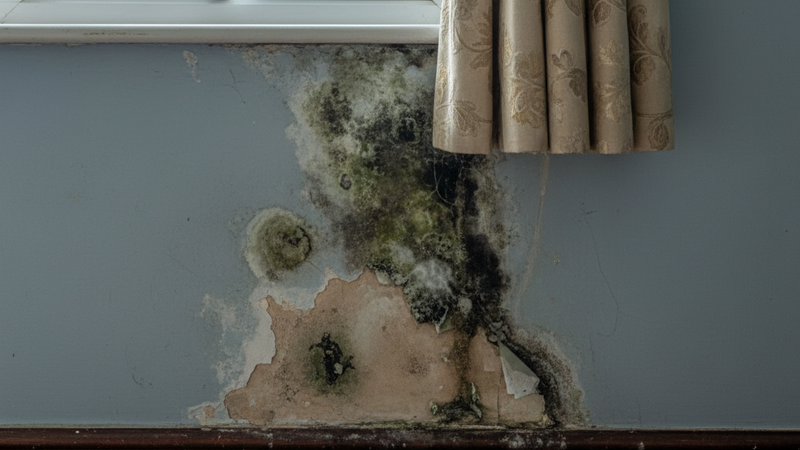
Mould, often colloquially referred to as 'molded' or 'moulded', is a pervasive issue in many UK properties, presenting both aesthetic concerns and significant health risks. This comprehensive guide, informed by expert IICRC S520 guidelines, delves into understanding, identifying, and effectively remediating mould to protect your property and the well-being of its occupants.
Understanding Mould in UK Properties
Mould is a type of fungus that thrives in damp, humid environments. In the UK's often moist climate, properties are particularly susceptible to its growth, especially in areas with poor ventilation, leaks, or condensation issues. Recognising the signs and understanding its causes are the first steps toward effective management.
What is Mould? Identification and Common Types
Mould reproduces by spores, which are microscopic and airborne. When these spores land on a damp surface with an organic food source (like wood, plasterboard, fabric, or dust), they begin to grow. It often appears as fuzzy, slimy, or discoloured patches, varying in colour from black, green, brown, white, to orange. Common types found in UK homes include Cladosporium (often black/green), Penicillium (blue/green), Aspergillus (green/white), and the infamous Stachybotrys chartarum (black mould), though visual identification alone is not definitive for species.
Primary Causes of Mould Growth
Mould needs moisture, warmth, and food to flourish. In the UK, common culprits contributing to dampness and mould include:
- Condensation: From daily activities like cooking, showering, and drying clothes indoors.
- Water Leaks: From plumbing, roofs, or foundations, often hidden within walls or ceilings.
- Rising Damp: Moisture drawn up from the ground into walls.
- Penetrating Damp: Water ingress through walls or roofs due to structural defects.
- Poor Ventilation: Lack of air circulation traps moisture indoors.
- Flooding: Even after the water recedes, residual moisture can lead to widespread mould.
The Difference: Moulded vs. Molded
It's important to clarify that 'moulded' is the correct spelling in British English when referring to mould (the fungus) or something that has been shaped in a mould. 'Molded' is the American English spelling. When discussing fungal growth, the term 'mould' is universally understood and preferred in the UK. Therefore, when you hear 'molded' in a UK context, it almost invariably refers to 'mould' contamination.
Health and Safety Concerns Related to Mould Exposure
Beyond superficial damage, mould can significantly impact human health, especially for vulnerable individuals. The UK's NHS and HSE frequently highlight these risks, making prompt remediation a health priority.
Important point
Never ignore visible mould. Even small patches can produce spores that affect indoor air quality and pose health risks. Act swiftly to prevent further growth and potential health complications.
Common Health Symptoms and Risks
Exposure to mould spores can trigger a range of symptoms, which can vary depending on an individual's sensitivity and the duration/intensity of exposure. The UKHSA guidance on damp and mould outlines common health issues:
- Respiratory Problems: Wheezing, coughing, shortness of breath, exacerbated asthma.
- Allergic Reactions: Sneezing, runny nose, red eyes, skin rashes.
- Immune System Issues: For those with compromised immune systems, mould can lead to more serious infections.
- Headaches and Fatigue: General malaise and chronic fatigue are also reported.
Children, the elderly, and individuals with pre-existing respiratory conditions are particularly susceptible.
High-Risk Individuals and Vulnerable Populations
Certain groups are at a higher risk of developing health problems from mould exposure:
- Babies and Young Children: Their developing respiratory systems are more sensitive.
- Elderly People: Often have weaker immune systems and pre-existing health conditions.
- Individuals with Asthma or Allergies: Mould can trigger severe attacks.
- People with Weakened Immune Systems: Such as those undergoing chemotherapy, HIV/AIDS patients, or organ transplant recipients.
- Individuals with Chronic Respiratory Illnesses: E.g., Chronic Obstructive Pulmonary Disease (COPD).
Mould and Structural Integrity
Beyond health, mould can cause significant structural damage to properties. It feeds on organic materials, gradually degrading building components like wood, plasterboard, and insulation. Prolonged mould growth can weaken structures, lead to costly repairs, and decrease property value. Early detection and intervention are crucial to mitigate these impacts.
UK Regulations and Standards for Mould Remediation
In the UK, a framework of regulations and best practices governs how mould issues are addressed, ensuring tenant safety and professional standards. Adhering to these is vital for landlords and remediation specialists.
The Housing Health and Safety Rating System (HHSRS)
The Housing Health and Safety Rating System (HHSRS), enforced by local authorities, assesses potential hazards in residential properties, including damp and mould. 'Excess Cold' and 'Damp and Mould Growth' are specific hazards under HHSRS. If a property poses a Category 1 hazard, the local authority can compel the landlord to take action, including remediation. The recent Awaab's Law, in force since 27 October 2025, strengthens these protections, setting strict timelines for social landlords to address hazards like mould.
IICRC S520 and Industry Best Practices
The Institute of Inspection, Cleaning and Restoration Certification (IICRC) S520 Standard for Professional Mould Remediation is the global benchmark for safe and effective mould removal. While not a statutory UK regulation, it is widely adopted by reputable remediation companies. Key principles include:
- Containment: Preventing the spread of spores during remediation.
- Moisture Source Identification: Finding and fixing the root cause of dampness.
- Removal, Not Just Killing: Physically removing mouldy materials, not just spraying with biocides.
- Personal Protective Equipment (PPE): Ensuring safety for remediation workers.
- Post-Remediation Verification: Ensuring the property is free of mould and mould-impacted materials.
Adherence to IICRC S520 ensures a thorough and lasting solution, protecting both health and property.
Landlord Responsibilities
Landlords in the UK have a legal obligation to provide safe and habitable homes. This includes addressing issues of damp and mould promptly. Failure to do so can lead to legal action, fines, and potentially severe consequences under the HHSRS framework, particularly now that Awaab's Law is in force. It is crucial for landlords to respond to tenant reports of mould and damp with professional assessments and remediation.
The Professional Mould Remediation Process
Professional mould remediation is a systematic process designed to safely and effectively remove mould, addressing both the visible growth and its underlying causes. It goes far beyond simply cleaning a surface.
Assessment and Containment
The process begins with a detailed assessment to identify the extent of the mould, the type of moisture problem, and the materials affected. This involves moisture readings, visual inspections, and sometimes air sampling. Once assessed, containment measures are established using physical barriers (e.g., polythene sheeting) and negative air pressure to prevent mould spores from spreading to unaffected areas during the remediation work.
Moisture Source Rectification and Mould Removal
Crucially, the source of moisture must be identified and rectified first. This might involve repairing leaks, improving ventilation, or addressing condensation issues. Once the moisture source is controlled, mould-affected porous materials (like plasterboard, insulation, carpets) are carefully removed and disposed of according to strict waste guidelines. Non-porous surfaces are then thoroughly cleaned using appropriate biocide-free cleaning agents and HEPA vacuuming to capture all remaining spores.
Drying, Cleaning, and Post-Remediation Verification
After physical removal, the affected area is thoroughly dried using industrial dehumidifiers and air movers. This prevents recurrence. All surfaces are then cleaned again, and air scrubbers with HEPA filters are run to clean the air. Finally, a post-remediation verification (PRV) is conducted by an independent hygienist to ensure that mould levels have returned to normal baseline levels and that the area is safe for reoccupation. This independent verification provides peace of mind and confirms the effectiveness of the remediation.
Prevention and Maintenance for a Mould-Free Home
Preventing mould growth is far more cost-effective and less disruptive than remediation. Implementing proactive measures is key to maintaining a healthy, mould-free environment.
Controlling Humidity and Ventilation
The primary defence against mould is controlling moisture. Ensure good ventilation, especially in moisture-prone areas like bathrooms and kitchens. Use extractor fans, open windows, and avoid drying clothes indoors if possible. Keep indoor humidity levels below 60% – a hygrometer can help monitor this. Ensure adequate heating throughout your property to prevent cold spots where condensation can form.
Addressing Water Leaks and Damp Quickly
Regularly inspect your property for any signs of water leaks, damp patches, or condensation. Promptly repair any plumbing issues, roof leaks, or structural defects that allow water ingress. Even small leaks can lead to significant mould problems if left unaddressed. Ensure gutters and downpipes are clear and functional, directing water away from the property's foundations.
Regular Cleaning and Maintenance
Routine cleaning helps to remove dust and dirt that can serve as a food source for mould. Pay attention to areas prone to dampness, such as window sills, shower enclosures, and around sinks. Regularly check behind furniture that is placed against external walls, as these areas often have poor air circulation and can develop mould unnoticed. For more detailed advice, consider resources from institutions like Reading University on managing condensation and mould.
When to Call Professional Mould Remediation Experts
While small patches of mould might be manageable with DIY cleaning, knowing when to call in the professionals is crucial for safety and efficacy. Certified IICRC technicians provide expert mould removal services across the UK.
Signs Indicating Professional Intervention is Needed
You should always contact professionals if:
- The mould covers an area larger than 1 square metre (approximately 3ft x 3ft).
- You suspect hidden mould behind walls or under flooring.
- There's a strong, persistent musty odour, even without visible mould.
- You or others in the property are experiencing health symptoms potentially linked to mould exposure, as advised by the HSE.
- The mould has appeared after a water damage event (e.g., flood, major leak).
- You are a landlord and need to comply with HHSRS or Awaab's Law requirements.
The Risks of DIY Mould Removal
Attempting to remove extensive mould yourself can be dangerous. Without proper PPE, you risk inhaling spores, which can worsen health issues. Furthermore, improper cleaning methods (like scrubbing dry mould) can release millions of spores into the air, spreading the problem rather than solving it. Bleach, often a go-to for DIY, does not penetrate porous surfaces such as plaster or timber, so it leaves the mould's roots behind, and it doesn't address the underlying moisture issue. Professionals have the training, equipment, and protocols to ensure safe and complete eradication.
Choosing a Certified Remediation Company
When selecting a mould remediation company, always look for certifications like IICRC. This ensures they adhere to the highest industry standards for safety and effectiveness. A reputable company will conduct a thorough assessment, provide a detailed remediation plan, and offer post-remediation verification. Don't hesitate to ask for references or proof of insurance. For an estimate on professional services, try our mould removal cost calculator or browse our blog for more insights.