Recognising Moulded Signs: A UK Guide to Detection & Remediation
Learn to identify moulded signs in your UK property, understand health risks, and discover professional remediation and prevention strategies following IICRC S520.
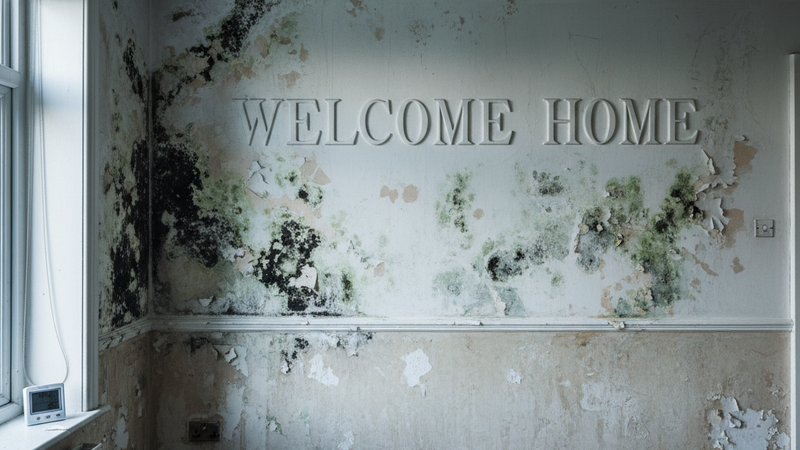
Mould growth in a property isn't just an aesthetic concern; it's a critical indicator of underlying moisture issues and can pose significant health risks. Recognising the early signs of mould, often referred to as 'moulded signs', is crucial for timely intervention and protecting both your property's integrity and the health of its occupants. This comprehensive guide, tailored for a UK audience, delves into identifying these indicators, understanding their implications, and navigating the professional remediation process according to industry best practices like IICRC S520.
Understanding Moulded Signs in Your Property
Mould manifests in various ways, and recognising these 'moulded signs' is the first step towards effective mould management. It’s not always visibly obvious; sometimes, your senses will pick up on its presence before your eyes do.
Visual Indicators of Mould Growth
The most common and definitive sign of mould is its visible presence. Mould can appear in a multitude of colours and textures, often depending on the type of mould, the material it's growing on, and the moisture conditions. Keep an eye out for:
- Discolouration: Patches of black, green, white, grey, or even pink/purple on walls, ceilings, floors, or fabrics. These often have a fuzzy, slimy, or powdery appearance.
- Water Stains: Persistent water stains or damp patches, especially on ceilings or walls, are strong indicators of a moisture problem that could be harbouring hidden mould.
- Peeling Paint/Wallpaper: Mould can grow behind paint or wallpaper, causing it to bubble, crack, or peel away from the surface.
- Material Degradation: Warped wood, crumbling plasterboard, or discoloured grout can all be signs of chronic moisture and potential mould growth.
Olfactory and Other Sensory Clues
Even if you can't see mould, you can often smell it. Mould produces microbial volatile organic compounds (MVOCs) which create a distinct, musty odour. This smell is often described as earthy, damp, or stale, similar to rotting leaves. If you detect such an odour, particularly in specific areas or when entering a room after it's been closed, it's a strong indication that mould is present, possibly hidden behind walls or under flooring.
Important point
Never ignore a persistent musty smell. It's often the earliest warning sign of concealed mould growth and should prompt further investigation.
Health and Safety Concerns Related to Mould
Beyond property damage, mould exposure poses significant health risks, particularly for vulnerable individuals. Understanding these risks is crucial for prioritising mould remediation.
Common Health Impacts of Mould Exposure
Mould spores, when inhaled or touched, can trigger a range of health issues. The specific effects depend on the type of mould, the level and duration of exposure, and individual sensitivity. Common symptoms include:
- Respiratory Problems: Wheezing, coughing, shortness of breath, and exacerbation of asthma.
- Allergic Reactions: Sneezing, runny nose, red eyes, skin rashes, and hives.
- Irritation: Eye, nose, throat, and skin irritation.
- Other Symptoms: Headaches, fatigue, difficulty concentrating, and general malaise.
The NHS provides extensive information on allergies and respiratory conditions, many of which can be triggered or worsened by mould exposure.
Vulnerable Populations and Increased Risk
Certain groups are more susceptible to mould-related health problems. These include:
- Infants and young children
- Elderly individuals
- People with pre-existing respiratory conditions (e.g., asthma, COPD)
- Individuals with compromised immune systems
- Those with severe allergies
For these individuals, even minor mould growth can lead to significant health complications, making prompt and professional intervention even more critical. The Health and Safety Executive (HSE) offers guidance on managing health risks associated with mould in various environments.
UK Regulations and Industry Standards for Mould Remediation
In the UK, mould remediation is governed by a combination of housing regulations, health and safety guidelines, and industry-specific standards to ensure effective and safe practices.
The Housing Health and Safety Rating System (HHSRS)
The HHSRS, a risk assessment tool used by local authorities, identifies hazards in residential properties, including damp and mould. Under the Housing Act 2004, landlords have a legal obligation to ensure properties are free from such hazards. Severe damp and mould can lead to a Category 1 hazard, requiring immediate action from landlords. This is increasingly relevant with new legislation like Awaab's Law, which strengthens tenants' rights and mandates swift action on serious hazards.
IICRC S520 and Best Practices in Remediation
While not a legally binding standard in the UK, the Institute of Inspection, Cleaning and Restoration Certification (IICRC) S520 Standard and Reference Guide for Professional Mould Remediation is the globally recognised benchmark for professional mould remediation. It outlines a detailed, systematic process that ensures mould is safely and effectively removed, preventing cross-contamination and future recurrence. Adherence to S520 ensures that remediation work is carried out to the highest professional standard, protecting both property and occupants.
Important point
Always choose a remediation company that explicitly states its adherence to IICRC S520 guidelines. This is your assurance of quality and safety.
The Professional Mould Remediation Process
Professional mould remediation is a multi-step process designed to safely and thoroughly remove mould, identify and rectify the moisture source, and prevent future growth.
Assessment and Containment
The process begins with a thorough inspection to assess the extent of the mould growth and identify the underlying moisture source. This often involves using moisture meters, thermal imaging cameras, and sometimes air sampling. Once assessed, the affected area is typically contained using physical barriers and negative air pressure to prevent mould spores from spreading to unaffected parts of the property during remediation.
Moisture Source Rectification and Mould Removal
Crucially, the moisture source must be identified and fixed before any mould removal begins. Without addressing the root cause, mould will inevitably return. Once the moisture issue is resolved, contaminated porous materials (e.g., plasterboard, insulation, carpets) are carefully removed and safely disposed of. Non-porous surfaces are cleaned using specialised biocides and cleaning agents, followed by thorough drying. HEPA vacuums are used to remove airborne spores and debris.
Post-Remediation Verification
After the physical removal and cleaning, a final inspection is conducted to ensure all mould has been effectively eliminated. This may include visual inspections, moisture readings, and, in some cases, post-remediation air testing to confirm spore levels have returned to normal baseline levels. Only once verification is complete and the property is deemed safe can the containment be removed and any necessary repairs or reconstruction begin.
Prevention and Maintenance Strategies
Preventing mould growth is always more effective and less costly than remediation. A proactive approach to moisture management is key.
Controlling Humidity and Improving Ventilation
Mould thrives in damp, humid environments. Maintaining indoor relative humidity below 60% (ideally 30-50%) is critical. This can be achieved through:
- Adequate Ventilation: Ensure proper functioning extractor fans in bathrooms and kitchens. Open windows regularly, even for short periods, especially after showering or cooking.
- Dehumidifiers: Use dehumidifiers in damp areas like basements or poorly ventilated rooms.
- Heating: Maintain a consistent, adequate temperature throughout the property to prevent condensation, particularly in colder months. Avoid drying clothes indoors on radiators, as this releases significant moisture into the air.
Regular Inspections and Addressing Leaks Promptly
Routine property maintenance plays a vital role in mould prevention. Regularly inspect your property for any signs of water intrusion:
- Check plumbing for leaks (under sinks, around toilets, behind appliances).
- Inspect roofs, gutters, and downpipes for damage or blockages.
- Ensure proper drainage away from the building's foundation.
- Look for cracks in exterior walls or around windows that could allow water ingress.
Any leaks or water damage should be repaired immediately, and affected materials dried thoroughly within 24-48 hours to prevent mould from taking hold. For more prevention tips, check our blog.
When to Call Professional Mould Remediation Experts
While small, superficial mould spots (less than a square metre) might be tackled by a competent homeowner with proper PPE, larger or more pervasive mould growth requires professional expertise.
Indicators Requiring Professional Intervention
You should always consult a professional mould remediation company if:
- The mould covers an area larger than 1 square metre (or roughly a 3ft x 3ft patch).
- You suspect mould is hidden behind walls, under flooring, or in HVAC systems due to persistent musty odours.
- There has been significant water damage (e.g., flooding, burst pipe).
- Occupants are experiencing health symptoms linked to mould exposure.
- You are a landlord and have a legal obligation under HHSRS to address damp and mould.
- You are unsure of the extent of the mould or its type.
Benefits of Professional Mould Remediation
Engaging certified professionals ensures:
- Thorough Assessment: Experts can accurately identify all mould affected areas, including hidden growth, and the source of moisture.
- Safe & Effective Removal: Professionals use specialised equipment (e.g., HEPA filters, negative air machines) and techniques to safely contain and remove mould without cross-contaminating other areas.
- Root Cause Resolution: We identify and advise on fixing the moisture problem to prevent recurrence.
- Compliance & Peace of Mind: Work is carried out to industry standards like IICRC S520, ensuring health and safety.
- Post-Remediation Verification: Written confirmation that the mould has been effectively eliminated.
Don't let moulded signs escalate into a major problem. Understanding the threat and acting decisively is paramount for property owners and tenants across the UK. For an estimate on remediation costs, use our cost calculator.