Mouldiness UK: Understanding & Tackling Damp and Mould
Discover what mouldiness means for your UK home or business. Learn about health risks, UK regulations, and professional remediation strategies to ensure a healthy environment.
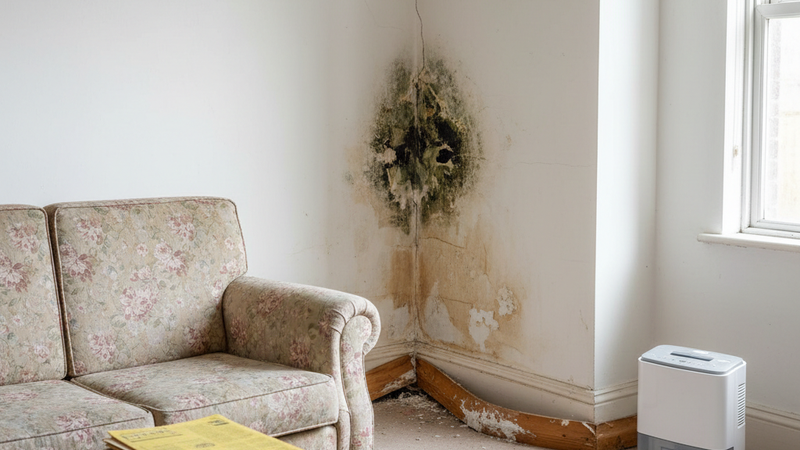
"Mouldiness" is a term commonly used to describe the presence and odour of mould. In the UK, it's a prevalent issue, often stemming from excess moisture, poor ventilation, and inadequate property maintenance. Understanding what causes mouldiness, its potential health implications, and how to effectively address it is crucial for maintaining a healthy indoor environment.
Understanding Mouldiness: Beyond the Smell
Mouldiness isn't just an unpleasant smell; it's a clear indicator of fungal growth. Moulds are microscopic fungi that thrive in damp, dark, and poorly ventilated conditions, reproducing by releasing spores into the air. These spores are invisible to the naked eye and can quickly spread throughout a property if the underlying moisture issue isn't resolved.
Common Causes of Mould and Damp
The roots of mouldiness often lie in persistent moisture sources. Identifying and rectifying these is the first step towards effective remediation.
- Condensation: A significant contributor in many UK homes, especially in bathrooms and kitchens, caused by warm, moist air meeting colder surfaces.
- Leaks: From plumbing, roofing, or windows, even small, undetected leaks can saturate building materials over time.
- Rising Damp: Moisture from the ground moving up through walls due to a faulty or absent damp-proof course.
- Penetrating Damp: Water entering the property horizontally through external walls, often due to cracked rendering, faulty guttering, or damaged brickwork.
- Poor Ventilation: Lack of air circulation traps moisture indoors, creating ideal conditions for mould growth.
Identifying Different Types of Mould and Their Appearance
While many types of mould exist, they often present with similar visual characteristics. The colour can vary widely but is not a reliable indicator of toxicity.
- Black Mould: Often associated with Stachybotrys chartarum, but many other moulds can appear black. It's often slimy or velvety in texture.
- Green/Grey Mould: Common on food and in damp environments, particularly in areas with condensation.
- White Mould: Can often be mistaken for efflorescence (salt deposits), but white mould is usually fuzzy and grows on organic surfaces.
- Pink/Orange Mould: Typically found in bathrooms, often on grout or shower curtains, commonly a yeast-like fungus or bacteria.
Important point
Relying solely on colour to identify mould types or their potential hazard is not recommended. All visible mould growth should be treated seriously and thoroughly addressed.
Health and Safety Concerns of Mouldiness
The presence of mould in indoor environments can pose significant risks to human health, particularly for vulnerable groups. The NHS provides guidance on the health impacts, emphasizing that mould produces allergens, irritants, and sometimes toxic substances.
Common Health Symptoms and Risks
Exposure to mould spores can trigger a range of symptoms, from mild irritation to severe respiratory issues. These are often made worse by prolonged exposure.
- Respiratory Problems: Wheezing, coughing, shortness of breath, asthma attacks (especially in individuals with pre-existing conditions). More information from the NHS on allergies.
- Allergic Reactions: Sneezing, runny nose, red eyes, skin rash.
- Irritation: Eye and throat irritation, headaches.
- Infections in vulnerable people: In severe cases or for immunocompromised individuals, mould exposure can lead to more serious infections.
Vulnerable Groups and Increased Susceptibility
Certain individuals are more susceptible to the adverse effects of mould exposure:
- Babies and young children
- Elderly people
- Individuals with existing respiratory conditions like asthma or chronic obstructive pulmonary disease (COPD)
- People with weakened immune systems
- Those with mould allergies
UK Regulations and Standards for Damp and Mould
In the UK, housing providers and landlords have a legal obligation to ensure properties are safe and free from serious hazards, including excessive damp and mould. This responsibility has been further highlighted by Awaab's Law, aiming to improve standards.
Housing Health and Safety Rating System (HHSRS)
The HHSRS is a risk assessment tool used by local authorities to identify and assess 29 potential hazards in residential properties, including damp and mould. Under HHSRS, severe damp and mould growth can be categorised as a 'Category 1 hazard', which landlords are legally obliged to address.
The Gov.uk website provides comprehensive guidance on HHSRS for landlords and property professionals.
IICRC S520 Guidelines for Professional Remediation
While not a statutory UK regulation, the Institute of Inspection, Cleaning and Restoration Certification (IICRC) S520 standard is the globally recognised consensus standard for professional mould remediation. It outlines best practices for safe and effective mould removal.
- Assessment: Thorough inspection to determine the extent of mould growth and moisture source.
- Containment: Preventing the spread of mould spores to unaffected areas.
- Moisture Control: Addressing and eliminating the underlying moisture problem.
- Mould Removal: Physical removal of mouldy materials and cleaning of surfaces.
- Drying: Ensuring all affected materials are thoroughly dried.
- Post-remediation Verification: Final inspection and testing to confirm successful remediation.
What is IICRC S520?
The IICRC S520 is a procedural standard designed to provide a comprehensive set of principles, methods, and practices for mould remediation, ensuring health and safety for occupants and remediation workers.
The Professional Mould Remediation Process
When mould growth is extensive or recurrent, professional intervention is essential. A professional approach strictly adheres to IICRC S520 guidelines to ensure thorough and lasting results.
Initial Assessment and Scope of Work
Every remediation project begins with a detailed assessment:
- Visual Inspection: Identifying visible mould and signs of moisture.
- Moisture Mapping: Using specialised equipment to locate hidden moisture sources within walls, ceilings, and floors.
- Air Quality Testing (if required): To quantify airborne mould spore levels and identify specific mould types.
- Developing a Remediation Plan: Based on the assessment, a tailored plan is created, outlining containment strategies, removal methods, and necessary repairs.
Containment, Removal, and Cleaning Techniques
The physical remediation process involves several critical steps to safely remove mould and prevent recurrence.
- Containment: Establishing isolation barriers (e.g., plastic sheeting, negative air pressure) to prevent cross-contamination.
- Air Filtration: Using High-Efficiency Particulate Air (HEPA) filters and air scrubbers to capture airborne mould spores.
- Removal: Depending on the material, mould may be HEPA vacuumed, scrubbed with anti-microbial solutions, or entirely removed (e.g., mouldy plasterboard, insulation).
- Drying: Industrial-grade dehumidifiers and air movers are used to thoroughly dry affected areas and prevent future growth.
- Cleaning: Surfaces are cleaned with appropriate fungicides and anti-microbial treatments.
Post-Remediation Verification and Reporting
Our work isn't complete until we confirm the mould has been effectively removed and the environment is safe.
- Visual Inspection: A final walk-through to ensure all mould is gone.
- Moisture Readings: Confirming that moisture levels are back to normal standards.
- Post-Remediation Air Sampling (if pre-testing was done): To ensure airborne mould spores are at acceptable levels.
- Detailed Report: Providing documentation of the entire process, findings, and recommendations for future prevention.
Prevention and Maintenance for a Mould-Free Home
Preventing mouldiness is far more cost-effective and easier than dealing with an infestation. Proactive measures are key to keeping your property healthy.
Effective Ventilation Strategies
Good airflow is vital for dispersing moisture and preventing condensation.
- Open Windows Regularly: Especially after showering, cooking, or drying laundry indoors.
- Use Extractor Fans: Ensure they are working effectively in kitchens and bathrooms and use them consistently.
- Keep Air Bricks Clear: Ensure external air bricks and vents are not blocked.
- Consider PIV (Positive Input Ventilation) Units: For whole-house ventilation, particularly in older properties.
Controlling Humidity and Moisture Sources
Addressing the source of moisture is paramount to preventing mould growth.
- Fix Leaks Promptly: Regularly inspect plumbing, roofs, and windows for any signs of water ingress.
- Dry Laundry Outdoors: If possible, avoid drying clothes indoors, or use a condenser tumble dryer.
- Use a Dehumidifier: In particularly humid areas or during damp weather.
- Maintain Gutters and Downpipes: Ensure they are clear and in good repair to prevent penetrating damp.
Regular Cleaning and Monitoring
Simple, routine tasks can make a big difference in maintaining a mould-free environment.
- Wipe Down Condensation: In the mornings, particularly from windows and cold walls.
- Clean and Scrub Away Early Mould: For small, surface mould, use a household mould cleaner (e.g., diluted bleach or white vinegar) and ensure the area is thoroughly dried afterwards. Always follow product instructions and wear appropriate PPE.
- Inspect Seldom-Used Areas: Check behind furniture, in cupboards, and under sinks regularly for any signs of damp or mould.
For more tips, explore our blog on mould prevention.
When to Call Professional Mould Remediation Specialists
While small patches of surface mould can often be handled by homeowners, there are clear indicators that professional help is needed to ensure effective and safe remediation.
Indicators of Extensive or Hidden Mould Growth
Don't underestimate the potential for hidden mould. If you notice any of these signs, it's time to call in the experts:
- Strong, Persistent Musty Odour: This is a key sign of mould, even if you can't visually see it.
- Visible Mould Covering a Large Area: Generally, if mould covers an area larger than 1 square metre (roughly a metre by a metre, or about eight A3 sheets of paper), it warrants professional attention.
- Mould After Water Damage: If your property has sustained significant water damage (e.g., flood, burst pipe), mould can quickly take hold in unseen areas.
- Health Symptoms Without Visible Mould: If residents are experiencing mould-related health issues but no mould is visible, it suggests a hidden source.
Risks of DIY Remediation for Large Infestations
Attempting to tackle extensive mould yourself can lead to several problems:
- Spore Release: Disrupting large mould colonies without proper containment can release millions of spores, spreading the problem further and increasing health risks.
- Incomplete Removal: Surface cleaning often doesn't address the underlying issue or fully remove mould embedded in porous materials.
- Exposure to Hazards: Without proper personal protective equipment (PPE), you risk direct exposure to mould and cleaning chemicals. The HSE (Health and Safety Executive) provides guidance on safe working practices for mould.
- Lack of Root Cause Analysis: Professionals identify and fix the moisture source, which is critical for long-term prevention.
Benefits of Professional Expertise and Equipment
Engaging certified professionals ensures:
- Thorough Identification: Using advanced tools like moisture meters and thermal imaging.
- Safe and Effective Remediation: Adherence to industry standards like IICRC S520, ensuring mould is removed safely and completely.
- Long-Term Solutions: Addressing the root cause of the moisture to prevent recurrence.
- Peace of Mind: Knowing your property is clean, safe, and professionally restored.
If you suspect a significant mould issue in your UK property, don't hesitate to seek expert advice. You can even get an estimate for the cost of mould removal.