Mould Explained: UK Remediation & Prevention Guide
Comprehensive guide to mould in UK homes & businesses. Understand health risks, regulations, and professional remediation processes for a healthy environment.
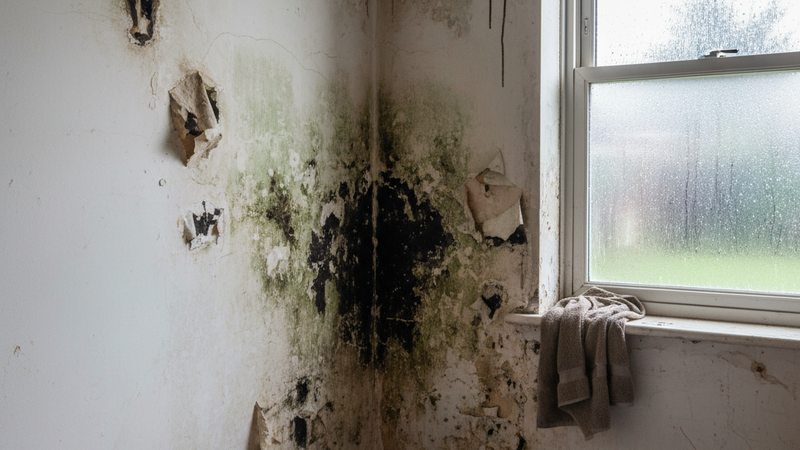
Mould is a common yet often misunderstood issue in UK properties, posing significant risks to both building integrity and occupant health. This guide delves into everything you need to know about fungal growth, from identifying its presence to understanding professional remediation strategies and crucial prevention tactics, all tailored for a UK audience and compliant with industry best practices.
Understanding Mould in the UK Environment
Mould, or mildew as it's sometimes called, refers to various types of fungi that grow in damp, humid conditions. It reproduces by releasing microscopic spores into the air, which can then settle on surfaces and begin to grow given the right conditions. Our temperate and often damp climate in the UK makes many properties susceptible.
What is Mould and Where Does it Grow?
Mould is a natural part of the environment, playing a vital role in decomposition. However, indoors, it's problematic. It thrives on moisture, often caused by leaks, condensation, poor ventilation, or flooding. Common places to find mould include bathrooms, kitchens, basements, poorly insulated walls, and areas around windows. It can appear in various colours – black, green, white, or orange – and often has a musty, earthy smell.
Common Types of Mould Encountered in UK Properties
- Cladosporium: Often found on wall surfaces, in fabrics, and on wood. It can appear black, green, or brown.
- Aspergillus: A very common indoor mould, usually green, white, or grey. Some species can produce mycotoxins.
- Penicillium: Similar to Aspergillus, it often appears blue or green and grows on water-damaged materials.
- Stachybotrys Chartarum ("Black Mould"): This infamous mould produces mycotoxins and thrives in consistently wet, cellulose-rich materials like gypsum board or wood. It appears slimy and black. Its presence warrants immediate professional attention.
Health and Safety Concerns Associated with Mould
Exposure to mould spores can lead to a range of health issues, particularly for vulnerable individuals. The National Health Service (NHS) provides clear guidance on the health risks, which can range from mild allergic reactions to more severe respiratory problems.
Potential Health Impacts of Mould Exposure
When mould spores are inhaled, they can trigger allergic reactions. Symptoms often include sneezing, runny nose, red eyes, skin rash, and asthmatic symptoms like wheezing or difficulty breathing. For individuals with existing respiratory conditions, mould can significantly exacerbate their symptoms. Prolonged exposure can also lead to chronic fatigue, headaches, and even more severe respiratory infections.
Who is Most At Risk?
Certain groups are more susceptible to mould-related health problems:
- Infants and young children: Their developing immune systems are more vulnerable.
- Elderly people: Weaker immune systems and existing health conditions increase risk.
- Individuals with allergies or asthma: Mould acts as a trigger for respiratory distress.
- People with compromised immune systems: Due to illness (e.g., HIV/AIDS) or medical treatments (e.g., chemotherapy).
- Individuals with chronic lung diseases: Such as chronic obstructive pulmonary disease (COPD).
Important point
Never ignore the smell of mould, even if you can't see it. This indicates hidden growth and professional inspection is advisable to protect your health.
UK Regulations and Industry Standards for Mould Remediation
In the UK, mould remediation is governed by a combination of housing standards, health and safety regulations, and industry best practices to ensure properties are safe and remediation is effective.
IICRC S520: The Gold Standard for Mould Remediation
The Institute of Inspection, Cleaning and Restoration Certification (IICRC) produces the S520 Standard for Professional Mould Remediation (IICRC S520). While not a statutory requirement in the UK, it is widely recognised by professionals as the seminal guide for safe and effective mould removal. Adhering to S520 principles ensures:
- Thorough assessment and scope of work.
- Containment to prevent cross-contamination.
- Proper personal protective equipment (PPE).
- Safe removal and disposal of contaminated materials.
- Cleaning and disinfection of affected areas.
- Drying to prevent recurrence.
- Post-remediation verification.
Housing Health and Safety Rating System (HHSRS) & Awaab's Law
For rented properties, the Housing Health and Safety Rating System (HHSRS), enforced by local authorities, considers damp and mould a Category 1 hazard if severe enough. Landlords have a legal responsibility to provide safe and healthy living conditions, which includes addressing mould issues. The new Awaab's Law, in force since 27 October 2025, strengthens these protections, mandating stricter timelines for social landlords to investigate and repair hazards like damp and mould. The Health and Safety Executive (HSE) also provides guidance on workplaces, where employers must manage health and safety risks from mould.
The Professional Mould Remediation Process
Effective mould removal, especially for significant growth, requires a structured and professional approach. DIY attempts often fail to address the root cause and can inadvertently spread spores, making the problem worse.
Assessment and Scope of Work
A professional assessment begins with identifying the type of mould, the extent of contamination, and crucially, the moisture source causing the growth. This might involve using thermal imaging cameras, moisture meters, and air sampling. A detailed scope of work is then developed, outlining the remediation strategy, containment levels, and estimated timelines.
Containment, Removal, and Cleaning
To prevent cross-contamination during remediation, affected areas are contained using negative air pressure and physical barriers. Technicians, wearing appropriate PPE, then safely remove porous materials that cannot be salvaged. Non-porous surfaces are meticulously cleaned using antimicrobial solutions, followed by HEPA vacuuming to capture remaining spores. Air scrubbers are used throughout the process to filter airborne mould spores.
Post-Remediation Verification and Clearance
After physical removal and cleaning, the area undergoes thorough drying to prevent immediate re-growth. A critical step is post-remediation verification, often involving independent third-party testing (e.g., air sampling, surface swabs) to confirm that mould levels have returned to normal baseline levels, ensuring the property is safe for re-occupancy. This step provides peace of mind and often a clearance certificate.
Key takeaway
Professional remediation focuses not just on removing visible mould, but on eliminating its source and ensuring the environment is restored to a healthy state, as outlined by IICRC S520 guidelines.
Prevention and Maintenance for a Mould-Free Home
Preventing mould is far easier and less costly than remediating it. Proactive measures are essential, especially in the UK's damp climate.
Controlling Humidity and Improving Ventilation
The most effective way to prevent mould is to control moisture. Aim for indoor humidity levels below 60%. Use extractor fans in bathrooms and kitchens, particularly when showering, cooking, or drying clothes indoors. Open windows regularly, even for short periods, to allow fresh air circulation. Consider dehumidifiers in consistently damp areas like basements or during prolonged wet weather. Ensure good insulation to prevent cold spots where condensation can form.
Addressing Moisture Sources Promptly
Any leaks from roofs, pipes, or appliances should be repaired immediately. Thoroughly dry any water ingress within 24-48 hours to prevent mould growth. Check for signs of rising damp or penetrating damp, which may require professional damp proofing solutions. Keep gutters and downpipes clear to ensure rainwater drains away from the property effectively.
Regular Cleaning and Inspection
Regularly clean high-risk areas like bathrooms, windowsills, and refrigerator seals. Use mould-inhibiting paints in damp prone rooms. Inspect your property periodically for any early signs of mould or damp smells. Early detection can prevent small issues from escalating into major remediation projects. For more tips, check out our blog on mould prevention.
When to Call Professional Mould Remediation Specialists
While small patches of surface mould might be manageable with domestic products, larger or persistent issues require expert intervention. Knowing when to call in the professionals can save you time, money, and most importantly, protect your health.
Signs Your Mould Problem Requires Professional Help
You should contact a professional mould remediation company if:
- The mould patch is larger than one square metre (approximately 10 square feet).
- You suspect hidden mould growth (e.g., musty smell but no visible mould).
- There has been significant water damage from flooding or burst pipes.
- You or anyone in the property is experiencing mould-related health symptoms.
- You are unsure of the moisture source.
- The mould keeps returning after cleaning.
- The mould is affecting structural components of your property.
Benefits of Professional Remediation
Professional mould remediation specialists, trained to IICRC S520 standards, offer several key benefits:
- Expert Identification: They can accurately identify mould types and moisture sources.
- Safe Removal: Using specialised equipment and containment, they prevent spore spread.
- Comprehensive Solutions: Addressing both the mould and its underlying cause.
- Prevention of Recurrence: Implementing measures to stop mould from coming back.
- Health Protection: Minimising exposure for occupants throughout the process.
- Peace of Mind: Providing documented clearance and ensuring your property is safe.
Don't let mould compromise your health or property. For an estimate of potential remediation costs, try our cost calculator or contact a certified professional today. You can find more comprehensive information on mould and its impact from reputable sources like Gov.uk Housing guidance, and studies from leading institutions like The University of Nottingham.