Stop Mould in Bedroom: UK Guide to Prevention & Removal
Discover how to effectively stop mould in your UK bedroom with expert guidance on health risks, legal standards, professional remediation, and lasting prevention.
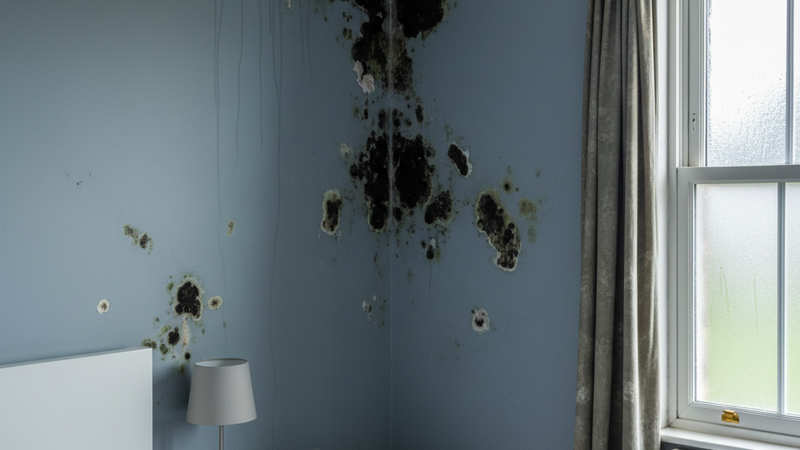
Mould in the bedroom is a pervasive and unpleasant problem that can significantly impact both your property's integrity and your household's health. Given that we spend approximately a third of our lives sleeping, ensuring a mould-free bedroom environment is paramount. This comprehensive guide, informed by UK standards and best practices, will equip you with the knowledge to understand, address, and ultimately prevent mould growth in your most personal space.
Understanding Bedroom Mould: Causes and Identification
Mould spores are naturally present everywhere, but they only become a problem when they find suitable conditions to grow indoors. Bedrooms, due to their specific usage patterns, often provide the perfect breeding ground for these unwelcome fungi.
Common Causes of Bedroom Mould
The primary culprits behind bedroom mould growth relate directly to moisture. Understanding these can help you pinpoint and address the root cause.
- Condensation: Breathing, sweating, and even plants release moisture into the air. In poorly ventilated bedrooms, this warm, moist air condenses on cold surfaces like windows, external walls, and behind furniture, providing the water mould needs.
- Poor Ventilation: Modern homes, often built with energy efficiency in mind, can be overly sealed, trapping moisture indoors. Older homes might have inadequate extractor fans or lack trickle vents.
- High Humidity: Persistent relative humidity levels above 60% create an ideal environment for mould. This can be exacerbated by drying clothes indoors or even humidifiers.
- Water Leaks: Less common in bedrooms, but plumbing leaks (from en-suite bathrooms), roof leaks, or penetrating damp through external walls can introduce significant moisture.
- Cold Spots/Thermal Bridging: Areas where insulation is poor, or cold bridges exist (e.g., concrete lintels, uninsulated wall sections), create localised cold surfaces prone to condensation.
Identifying Mould Growth
Mould often manifests visually, but it can also be detected by smell before it's seen. Recognising these signs early is crucial for effective intervention.
- Visual Signs: Look for discoloured patches – black, green, grey, white, or even pinkish spots – on walls, ceilings, around windows, behind curtains, furniture, and even on fabrics like bedding or clothing.
- Odour: A musty, earthy smell is a definitive indicator of mould growth, even if you can't immediately see it. This smell is often more noticeable in closed-off areas.
- Water Stains: Persistent damp patches or water stains on walls or ceilings, even if dry to the touch, suggest a past or ongoing moisture issue that could lead to mould.
Important point
Never ignore a musty smell, even if no visible mould is present. It often indicates hidden mould growth behind walls, under flooring, or within cavities, which can be more severe due to prolonged moisture accumulation.
Health and Safety Concerns of Bedroom Mould
Beyond the unsightly appearance and unpleasant odour, mould in your bedroom poses significant risks to your health and well-being. Exposure to mould spores, fragments, and volatile organic compounds (MVOCs) can trigger a range of symptoms, particularly for vulnerable individuals.
Potential Health Impacts
The NHS clearly outlines the health risks associated with damp and mould. These effects can vary in severity depending on the type of mould, the level of exposure, and individual sensitivities.
- Respiratory Issues: Coughing, wheezing, shortness of breath, asthma attacks (especially in pre-existing conditions), and sinusitis are common.
- Allergic Reactions: Sneezing, runny nose, red eyes, skin rashes, and irritation.
- Infections: People with weakened immune systems are more susceptible to respiratory infections such as aspergillosis.
- Neurological Symptoms: In some rare but severe cases, particularly with certain toxic moulds, symptoms like headache, fatigue, and memory issues have been reported.
- Irritation: Eye, skin, throat, and nasal passage irritation.
Vulnerable Groups
Certain individuals are at a higher risk of developing severe health problems from mould exposure:
- Babies and young children
- Elderly people
- Individuals with pre-existing respiratory conditions like asthma or COPD
- People with weakened immune systems (e.g., undergoing chemotherapy, HIV positive)
- Individuals with severe allergies
The Health and Safety Executive (HSE) also provides guidance on mould as a biological hazard, highlighting the importance of addressing it properly to protect health.
UK Regulations and Standards for Mould Remediation
In the UK, addressing mould goes beyond personal comfort; it's a matter of public health and housing standards. Landlords and property owners have legal obligations, and professional remediation follows specific industry guidelines.
Housing Health and Safety Rating System (HHSRS)
Introduced by the Housing Act 2004, the HHSRS assesses potential hazards in residential properties. Damp and mould growth is categorised as a 'Category 1 Hazard' if severe, meaning it poses a serious and immediate risk to health. Local authorities can issue enforcement notices requiring landlords to undertake repairs.
Important point
The tragedy of Awaab Ishak's death has brought a renewed focus on landlord responsibilities regarding damp and mould, leading to Awaab's Law, which since 27 October 2025 has required social landlords in England to investigate damp and mould within 10 working days and begin making significant hazards safe within 5 working days.
IICRC S520 Guidelines
While not a statutory UK law, the Institute of Inspection, Cleaning and Restoration Certification (IICRC) S520 Standard for Professional Mould Remediation is the globally recognised benchmark for best practices. UK mould remediation specialists adhere to these principles.
- Assessment: Identifying the type of mould, extent of contamination, and moisture source.
- Containment: Preventing the spread of mould spores to unaffected areas.
- Source Elimination: Addressing the underlying moisture problem.
- Removal: Safe and thorough removal of mould-contaminated materials.
- Cleaning & Disinfection: Cleaning of salvageable materials and critical surfaces.
- Drying: Ensuring all affected areas are completely dry.
- Verification: Post-remediation assessment to confirm successful removal.
Understanding these standards helps you engage with competent professionals and ensures a thorough, lasting solution to your mould problem.
Professional Mould Remediation Process
When mould growth is extensive (more than a small patch), recurring, or suspected to be hidden, professional intervention is highly recommended. A specialist mould remediation company will follow a structured process to ensure the mould is safely and completely removed.
Initial Assessment and Source Identification
The first step involves a detailed inspection. Professionals will:
- Assess the extent of visible and hidden mould.
- Utilise thermal imaging cameras and moisture meters to pinpoint moisture sources.
- Identify the type of mould, if necessary, through sampling.
- Develop a bespoke remediation plan, outlining scope, timeline, and associated costs.
Containment, Removal, and Cleaning
Based on the IICRC S520, the remediation process involves several critical stages:
- Containment: Setting up physical barriers (e.g., plastic sheeting) and using negative air pressure to prevent spores from spreading to clean areas during removal.
- Air Filtration: Utilising HEPA-filtered air scrubbers to remove airborne mould spores and particulates.
- Mould Removal: Safely removing mould-contaminated materials. This might include cutting out sections of drywall, removing affected insulation, or professional cleaning of non-porous surfaces with appropriate antimicrobial solutions.
- Cleaning and Sanitisation: Thoroughly cleaning affected surfaces and contents using specialised detergents and biocides, followed by HEPA vacuuming.
- Structural Drying: Employing commercial dehumidifiers and air movers to thoroughly dry out any remaining moisture in the structure.
Post-Remediation Verification and Prevention Advice
Upon completion of the physical mould removal, a final verification ensures the job is done right.
- Re-inspection: Checking for any remaining mould or signs of moisture.
- Clearance Testing (Optional): Air sampling or surface testing can be conducted by an independent hygienist to confirm spore counts have returned to normal levels.
- Prevention Strategies: Providing tailored advice on ventilation, heating, insulation, and maintenance to prevent future mould growth.
Prevention and Long-Term Maintenance
Once mould has been removed, the focus shifts to preventing its return. Long-term prevention involves a combination of good habits and potential property improvements.
Effective Ventilation and Heating Strategies
Controlling internal atmosphere is key to preventing damp and mould.
- Ventilate Regularly: Open windows for at least 15-20 minutes daily, even in winter, to allow moist air to escape and fresh air to circulate. Use trickle vents if present.
- Use Extractor Fans: Ensure bathrooms and kitchens have working extractor fans and use them during and after showering/cooking.
- Consistent Heating: Maintain a consistent ambient temperature (ideally above 18°C) to prevent cold spots where condensation forms. Avoid sudden temperature drops.
- Avoid Drying Clothes Indoors: If unavoidable, do so in a well-ventilated room with a window open or use a dehumidifier.
Controlling Humidity and Moisture Sources
- Dehumidifiers: Invest in a good quality dehumidifier for particularly damp rooms or during peak humidity seasons. Aim for relative humidity between 40-60%.
- Check for Leaks: Regularly inspect plumbing, roofs, and external walls for signs of leaks and address them immediately.
- Proper Insulation: Improve wall and loft insulation to reduce cold spots on external walls.
- Furniture Placement: Avoid pushing furniture directly against external walls; leave a gap for air circulation.
- Wipe Down Condensation: Promptly wipe away condensation from windows and other surfaces.
When to Call Professional Mould Specialists
While small patches of surface mould might be manageable with DIY cleaning, there are clear indicators that professional assistance is necessary to ensure safety and effective remediation.
Indicators for Professional Intervention
Don't hesitate to contact experts if you encounter any of the following:
- Extensive Growth: Mould covering an area larger than 1 square metre (approximately 3x3 feet).
- Persistent Odour: A strong, lingering musty smell, even if no visible mould is present, indicating hidden growth.
- Recurrent Mould: If mould keeps returning despite your best cleaning and prevention efforts.
- Health Symptoms: If occupants are experiencing new or worsening respiratory issues, allergies, or other health problems.
- Structural Dampness: Visible water ingress, penetrating damp, or rising damp, which requires specialist damp proofing alongside mould remediation.
- After Water Damage: If your bedroom has experienced a flood, burst pipe, or significant leak.
- Contaminated HVAC Systems: If mould is suspected within your heating, ventilation, and air conditioning system (less common in UK bedrooms but possible).
Benefits of Professional Mould Remediation
Engaging a certified mould specialist offers several advantages:
- Expert Assessment: Accurate identification of moisture sources and mould types.
- Safe Removal: Professionals use appropriate PPE and containment to prevent cross-contamination and protect occupants.
- Thorough Remediation: Ensuring all mould is removed, including hidden growth, and the underlying issue is resolved.
- Specialised Equipment: Access to industrial-grade dehumidifiers, air scrubbers, boroscopes, and moisture meters.
- Long-Term Solutions: Providing effective strategies to prevent recurrence. Visit our blog for more insights.
- Peace of Mind: Knowing your home is safe and healthy, adhering to standards like IICRC S520 and UK housing regulations.
Important point
Never attempt to remove large areas of mould yourself, especially if you have existing health conditions. Disturbing mould can release millions of spores, exacerbating health risks and spreading contamination.
Stopping mould in your bedroom is not just about aesthetics; it's vital for your health and the longevity of your property. By understanding the causes, implementing preventive measures, and knowing when to call on expert UK mould remediation specialists, you can ensure your bedroom remains a safe, healthy, and comfortable sanctuary.