Stop Mould on Walls: Your UK Guide to Prevention & Removal
Combat wall mould effectively with our expert UK guide. Learn about causes, health risks, and professional remediation to protect your home and health.
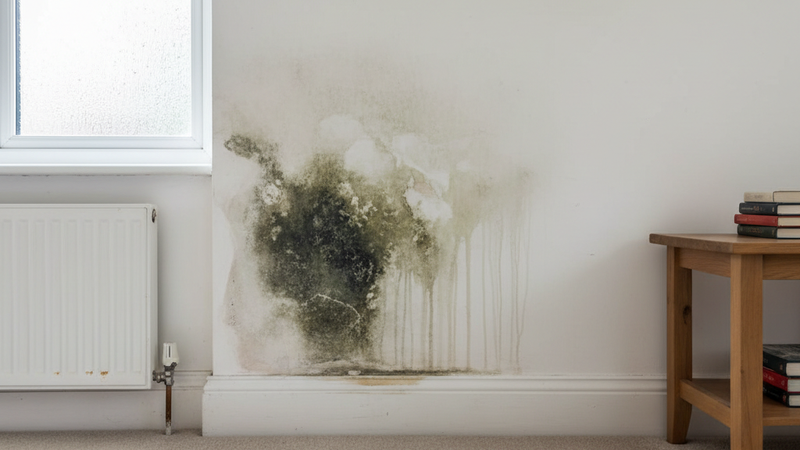
Mould on walls is not just an unsightly problem; it's a significant indicator of excess moisture within your property and can pose serious risks to health and home. For UK homeowners and tenants, understanding how to effectively stop mould on walls is crucial for maintaining a healthy living environment and preserving property integrity. This comprehensive guide delves into the causes, health implications, regulatory frameworks, and professional solutions for tackling wall mould, all while adhering to the highest industry standards.
Understanding Mould on Walls: Causes and Identification
Mould thrives in damp, humid conditions, making wall surfaces a prime target when moisture is present. Identifying the source of this dampness is the first critical step in addressing a mould problem.
Common Causes of Wall Mould in UK Homes
In the UK, several factors contribute to the formation of mould on internal and external walls. These often relate to the building’s structure, ventilation, and daily activities.
- Condensation: This is arguably the most common cause in UK homes. Warm, moist air (from cooking, showering, drying clothes) comes into contact with cold surfaces like external walls or windows, condenses into water droplets, and creates ideal conditions for mould growth.
- Penetrating Damp: Water seeping through walls from outside due to faulty gutters, damaged roofs, cracked rendering, or porous brickwork can lead to significant mould issues.
- Rising Damp: This occurs when groundwater travels up through the brickwork of a building, usually due to a faulty or absent damp proof course (DPC). It typically affects lower sections of walls.
- Leaking Pipes or Appliances: Hidden leaks from plumbing systems (e.g., behind plasterboard, under floorboards, or from radiators) can create persistent damp areas that are perfect for mould.
- Poor Ventilation: Inadequate airflow prevents moist air from escaping, trapping humidity indoors and exacerbating condensation problems.
Identifying Mould: Types and Appearance
Mould comes in various colours and textures, but regardless of its appearance, it should be treated with caution. The most common types found on walls include:
- Black Mould (Stachybotrys chartarum): Often associated with water damage, it appears slimy or powdery. It's frequently found in areas with long-term moisture exposure. However, not all black mould is Stachybotrys, and many types can appear black.
- Green/Grey Mould (Cladosporium, Aspergillus): These are very common and can appear fluffy, powdery, or musty. They often grow on organic matter in damp environments.
- White Mould: Can be mistaken for efflorescence (salt deposits), but white mould often has a fuzzy texture and a musty smell. It typically grows on surfaces like unfinished wood or drywall.
Important point
Never attempt to identify mould types by smell or touch; professional assessment is always recommended for significant infestations. The colour of mould does not reliably indicate its toxicity.
Health and Safety Concerns of Wall Mould
Mould is more than just unsightly; it can significantly impact the health of occupants, particularly those with existing respiratory conditions or compromised immune systems. Addressing mould promptly is crucial for public health.
Potential Health Effects of Mould Exposure
Exposure to mould spores can trigger a range of health issues. The NHS provides guidance on the common symptoms associated with mould exposure:
- Respiratory Problems: Wheezing, shortness of breath, asthma attacks (especially in pre-existing conditions), and nasal congestion.
- Allergic Reactions: Sneezing, runny nose, red eyes, skin rash.
- Irritation: Eye, skin, throat, and lung irritation.
- Weakened Immune Systems: Individuals with compromised immune systems can be more susceptible to serious infections from mould.
Protecting Yourself During Initial Assessment or Small-Scale Cleaning
For very small areas of mould (smaller than about one square metre), you might consider attempting to clean it yourself. However, always prioritise safety. The Health and Safety Executive (HSE) advises caution.
- Wear Personal Protective Equipment (PPE): This includes gloves, eye protection, and a FFP2 or FFP3 respirator mask to prevent inhalation of spores.
- Isolate the Area: Keep children and pets away from the contaminated area.
- Avoid Dry Brushing: This can release large amounts of spores into the air.
- Ventilate: Open windows and doors, if safe to do so, to ensure good airflow during and after cleaning.
UK Regulations and Standards for Mould Remediation
In the UK, property owners and landlords have legal obligations regarding mould, guided by various standards to ensure safe and effective remediation.
IICRC S520 and UK Industry Best Practice
The global standard for professional mould remediation is the IICRC S520: Standard for Professional Mould Remediation. While not a statutory requirement in the UK, it is widely adopted as the benchmark for best practice. Professional remediation companies in the UK, including ourselves, adhere to these guidelines, which cover:
- Assessment: Thorough investigation to identify mould extent and moisture source.
- Containment: Preventing the spread of mould spores during remediation.
- Source Removal: Physically removing mould and mould-contaminated materials, not just killing it.
- Drying: Ensuring all affected areas are thoroughly dried to prevent re-growth.
- Cleaning & Disinfection: Sanitising surfaces after mould removal.
- Clearance Test: Post-remediation verification to ensure the environment is safe.
Housing Health and Safety Rating System (HHSRS) and Awaab's Law
The Housing Health and Safety Rating System (HHSRS) is a risk assessment tool used by local authorities to ensure properties are safe and healthy to live in. Damp and mould growth is a common 'Category 1 Hazard' under HHSRS, requiring landlords to take action.
Furthermore, Awaab's Law, in force in England since 27 October 2025, significantly strengthens these protections for social housing tenants. It mandates strict timescales for landlords to investigate and fix hazards like damp and mould, placing a greater emphasis on proactive maintenance and prompt remediation to prevent severe harm.
Professional Mould Remediation Process
When mould on walls is extensive or persistent, professional intervention is essential. Our structured approach ensures comprehensive and lasting results.
Initial Assessment and Contamination Mapping
The process begins with a detailed assessment. Our certified technicians will:
- Identify the Moisture Source: Crucially, we locate and address the root cause of dampness to prevent recurrence. This might involve thermal imaging, moisture meters, and visual inspections.
- Assess Extent of Contamination: Determine how far the mould has spread, often requiring the use of boroscopes or even minimal intrusive inspections behind walls.
- Categorise Risk: Based on mould type and affected area, we classify the project's complexity and potential health risks.
- Develop a Remediation Plan: A bespoke plan outlining containment strategies, removal methods, and necessary structural repairs.
Containment, Removal, and Post-Remediation Verification
Following the assessment, the hands-on remediation takes place:
- Containment: Using critical barriers (plastic sheeting), negative air pressure, and air scrubbers with HEPA filters, we isolate the contaminated area to prevent spore spread to unaffected parts of the property.
- Mould Removal: This involves physically removing mould from surfaces using specialised biocides and cleaning agents. Heavily contaminated porous materials like plasterboard, insulation, or carpets may need to be safely disposed of and replaced.
- Drying: Industrial dehumidifiers and air movers are used to thoroughly dry the affected areas, preventing future growth.
- Sanitisation & Cleaning: All surfaces are cleaned and often treated with an antimicrobial coating.
- Post-Remediation Verification: Crucial for ensuring success. This can include visual inspections, moisture content testing, and sometimes air sampling to verify that mould spore counts have returned to normal baseline levels. This step ensures the environment is safe to reoccupy.
Prevention and Maintenance Strategies
Preventing mould on walls is far more effective and less costly than remediation. A proactive approach is key.
Controlling Humidity and Improving Ventilation
Managing indoor humidity is your most powerful tool against mould.
- Ventilate Regularly: Open windows for 10-15 minutes daily, especially after showering or cooking. Use extractor fans in kitchens and bathrooms and ensure they are maintained and running efficiently.
- Manage Moisture-Producing Activities: Dry clothes outdoors when possible, or use a tumble dryer with external venting. If drying indoors, use a dehumidifier in a well-ventilated room.
- Use Dehumidifiers: These can be very effective in areas prone to dampness, especially during colder months when opening windows isn't always practical.
- Ensure Adequate Heating: Maintain a consistent, moderate temperature throughout your home to prevent cold spots where condensation can form. Avoid leaving rooms unheated for extended periods.
Regular Property Inspections and Maintenance
Regular checks for potential water ingress are vital.
- Check for Leaks: Periodically inspect pipes, roofs, gutters, and window seals for any signs of damage or leaks. Promptly repair any identified issues.
- Maintain Exterior Walls: Ensure rendering and brickwork are in good condition to prevent penetrating damp. Check for cracks or missing mortar.
- Insulate Properly: Gaps in insulation can lead to cold spots on walls, increasing condensation risk. Consider professional advice on improving wall insulation. You can find more insights on university research into building performance and moisture at UCL's Bartlett School of Architecture.
- Clean and Monitor: Regularly clean bathrooms and kitchens with mould-inhibiting cleaners. Keep an eye out for initial signs of mould growth, particularly in corners, behind furniture, and inside wardrobes against external walls.
When to Call Professional Mould Remediation Specialists
While small patches of mould can sometimes be tackled by homeowners, certain situations absolutely warrant professional intervention.
Indicators for Professional Assistance
It's time to call in the experts if you encounter any of the following:
- Large Area of Growth: If the mould covers an area larger than one square metre (roughly a metre by a metre, or about eight A3 sheets of paper), or if multiple patches are visible.
- Recurrent Mould: Despite your best efforts, mould keeps coming back, indicating an unaddressed underlying moisture problem.
- Hidden Mould: If you suspect mould behind walls, under flooring, or in inaccessible areas due to a persistent musty smell or water damage signs.
- Health Concerns: If occupants are experiencing persistent health issues that you suspect are linked to mould exposure.
- Complex Cause: If the mould is due to serious issues like rising damp, penetrating damp, or significant water leaks, which require specialist repair.
- Allergenic/Sensitive Occupants: If anyone in the household is particularly vulnerable, such as infants, the elderly, or those with severe allergies, asthma, or compromised immune systems.
Expert Advice
Attempting to clean extensive mould without proper training, equipment, or containment can inadvertently spread spores, worsening the problem and increasing health risks.
The Benefits of Certified UK Professionals
Engaging certified mould remediation specialists ensures a thorough, safe, and effective solution:
- IICRC S520 Adherence: Professionals follow industry best practices, ensuring comprehensive mould removal and prevention of cross-contamination.
- Specialised Equipment: Access to industrial-grade dehumidifiers, air scrubbers, HEPA vacuums, and PPE that are unavailable to the average homeowner.
- Expertise in Moisture Detection: Ability to accurately locate and fix the source of moisture, which is fundamental to long-term mould prevention.
- Safe Disposal: Correct and safe disposal of mould-contaminated materials.
- Post-Remediation Verification: Ensuring the environment is truly clean and safe after the work is completed.
Don't let mould compromise your home and health. If you're facing a mould problem on your walls, especially a persistent or extensive one, reaching out to accredited professionals is the smartest step. Explore our mould removal cost calculator or read more from our blog for further insights and solutions.