Stopping Mould on Walls: UK Guide to Eradication & Prevention
This comprehensive guide for UK homeowners and tenants covers identifying, safely removing, and preventing mould on walls, adhering to IICRC S520 standards.
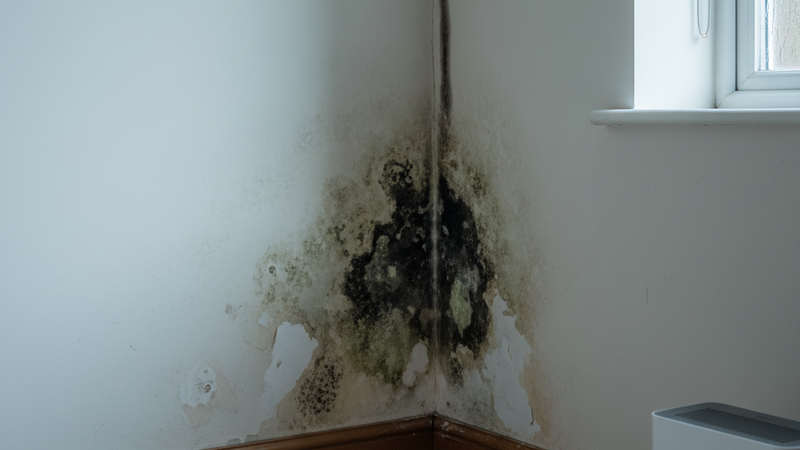
Mould on walls is a pervasive issue in UK homes, often indicating underlying moisture problems that can impact both property integrity and occupant health. Understanding its causes, effects, and proper remediation techniques is crucial for maintaining a healthy living environment and protecting your asset.
Understanding Mould on Walls in UK Homes
Mould, a type of fungi, thrives in damp, dark, and poorly ventilated environments. Its presence on walls is a clear indicator of excess moisture, which can stem from various sources common in the British climate and housing stock.
Common Causes of Wall Mould
Identifying the source of moisture is the first step in effective mould remediation. In the UK, common culprits include:
- Condensation: Often due to poor ventilation, particularly in kitchens, bathrooms, and bedrooms, where warm, moist air condenses on cold surfaces like external walls or windows.
- Rising Damp: Moisture from the ground travels upwards through porous building materials, usually blocked by a damp-proof course (DPC). A failing or absent DPC can lead to mould on lower walls.
- Penetrating Damp: Water ingress through external walls due to faulty guttering, leaky pipes, cracked rendering, or damaged roofing. This can lead to unsightly damp patches and mould growth.
- Leaks: Hidden leaks from plumbing, central heating systems, or faulty appliances can saturate walls from the inside out, creating ideal mould conditions.
Identifying Different Types of Mould
While many types of mould exist, they generally present as black, green, white, or fuzzy patches. The most commonly encountered in UK homes include Cladosporium (often black spots), Aspergillus and Penicillium (greenish-blue), and Stachybotrys chartarum (often referred to as 'black mould', typically slimy or velvety black). Regardless of the type, all mould growth requires immediate attention.
Health & Safety Concerns of Mould Exposure
Exposure to mould, particularly its spores, can pose significant health risks, especially for vulnerable individuals. The National Health Service (NHS) consistently advises on the importance of addressing mould in homes to safeguard health.
Impact on Human Health (NHS Guidance)
Mould produces allergens, irritants, and sometimes toxic substances (mycotoxins) that can trigger a range of health issues. According to the NHS website, symptoms can include:
- Respiratory problems: Wheezing, coughing, shortness of breath, and exacerbation of asthma.
- Allergic reactions: Skin rashes, runny nose, red eyes, and sneezing.
- Irritation: Sore throat and eye irritation.
- Increased susceptibility to infections: Particularly for those with weakened immune systems.
Children, the elderly, individuals with pre-existing respiratory conditions (like asthma and COPD), and those with compromised immune systems are particularly at risk.
Personal Protective Equipment (PPE) When Dealing with Mould
For any mould removal, even small patches, adequate PPE is essential to prevent exposure to spores. Standard safety guidance recommends certain precautions. Always use:
- Respirator: FFP2 or FFP3 mask to filter out airborne spores.
- Gloves: Rubber gloves to protect hands from mould and cleaning solutions.
- Eye protection: Goggles or safety glasses to prevent spores from entering eyes.
- Protective clothing: Disposable overalls or old clothes that can be washed immediately at high temperatures or discarded.
Important point
Never attempt to dry brush mould as this can release millions of spores into the air, worsening the problem and increasing health risks. Always dampen the mould first.
UK Regulations and Standards for Mould Remediation
In the UK, addressing mould in residential properties is governed by several regulations and best practice guidelines, ensuring tenant safety and property standards.
IICRC S520 Guidelines for Professional Remediation
The Institute of Inspection, Cleaning and Restoration Certification (IICRC) S520 standard provides a comprehensive set of principles and procedures for professional mould remediation. Although not legally binding in the UK, it is widely recognised and adopted by professional remediators as the industry benchmark for safe and effective mould removal.
- Assessment: Identifying the moisture source and extent of contamination.
- Containment: Preventing the spread of mould spores during remediation.
- Air Filtration: Using HEPA air scrubbers to clean the air.
- Removal: Physically removing mould-affected materials.
- Cleaning and Drying: Thoroughly cleaning and drying affected areas.
- Verification: Post-remediation inspection and testing to ensure mould has been successfully removed.
Housing Health and Safety Rating System (HHSRS) and Local Authority Responsibilities
The Housing Health and Safety Rating System (HHSRS), enforced by local authorities, assesses potential hazards in residential properties, including damp and mould. Significant mould growth can be categorised as a Category 1 hazard, requiring landlords to take immediate action to rectify the issue. Recent developments, notably Awaab's Law (in force in England since 27 October 2025), have further strengthened tenant rights and landlord responsibilities regarding damp and mould in social housing.
Professional Mould Remediation Process
While small patches of mould might be tackled by a competent DIYer, extensive or recurring mould problems necessitate professional intervention to ensure complete removal and prevent recurrence.
Initial Assessment and Moisture Source Identification
A professional remediation begins with a thorough assessment by qualified technicians. This involves:
- Detailed visual inspection.
- Using moisture metres and thermal imaging cameras to pinpoint hidden moisture sources.
- Identifying the extent of mould contamination, including hidden mould behind walls or under flooring.
- Developing a tailored remediation plan based on the severity and type of mould.
Containment, Removal, and Post-Remediation Verification
Following IICRC S520 guidelines, the remediation process typically involves:
- Containment: Setting up physical barriers (e.g., polythene sheeting) and using negative air pressure to prevent cross-contamination to unaffected areas.
- Air Filtration: Operating HEPA air scrubbers throughout the process to capture airborne mould spores.
- Removal: Physically removing mould-affected materials (e.g., plasterboard, insulation) and cleaning non-porous surfaces with appropriate antimicrobial agents. Fogging may be used for widespread airborne spores.
- Drying: Utilising professional-grade dehumidifiers and air movers to thoroughly dry out the affected area, preventing future growth.
- Cleaning and Sanitisation: HEPA vacuuming and surface treatment to ensure all mould residues are removed.
- Post-Remediation Verification: A final inspection, often involving professional testing (e.g., air sampling, surface swabs) to confirm that mould levels have returned to normal baseline levels and the moisture issue is resolved. This provides assurance that the property is safe for reoccupation.
Considering professional help?
For an estimate of professional mould removal services, check out our mould removal cost calculator.
Prevention and Maintenance Strategies
The most effective way to stop mould on walls is to prevent it from forming in the first place through proactive moisture control and good ventilation practices.
Controlling Humidity and Improving Ventilation
Managing indoor humidity is paramount:
- Ventilate: Open windows for short periods daily, especially after showering, cooking, or drying clothes indoors. Use extractor fans in kitchens and bathrooms and ensure they are maintained.
- Check for Draughts: While seemingly counterintuitive, draught-proofing can sometimes trap moisture. Ensure a balance between insulation and adequate airflow.
- Dehumidifiers: Use mechanical dehumidifiers in persistently damp areas, aiming for indoor humidity levels between 40-60%.
- Avoid Drying Clothes Indoors: If unavoidable, ensure excellent ventilation and open windows to allow moisture to escape.
Regular Property Maintenance Checks
Proactive maintenance can solve many damp issues before mould takes hold:
- External Repairs: Routinely check guttering, downpipes, roof tiles, and exterior rendering for damage. Ensure they are clear and allow water to drain away from the property.
- Internal Plumbing: Regularly inspect visible pipes, taps, and appliance connections for leaks. Address any drips or damp patches immediately.
- Damp-Proof Course (DPC): Ensure the DPC is unobstructed and performing its function. Avoid blocking air bricks, which are crucial for underfloor ventilation.
- Heating: Maintain a consistent, moderate temperature throughout your home to prevent cold spots where condensation can form. Avoid turning heating off completely for extended periods in winter.
When to Call Professional Mould Remediation Specialists
While minor mould issues can sometimes be handled by homeowners, there are clear indicators that professional assistance is required to ensure health and safety and prevent recurrence.
Size and Severity of Mould Growth
You should call a professional if:
- Area exceeds 1 square metre (approx. 10 square feet): Large areas of mould indicate a significant moisture problem that requires expert assessment and remediation.
- Mould is recurring: If mould keeps coming back despite your best efforts, the underlying moisture source hasn't been properly identified or resolved.
- Mould is associated with contaminated water: Mould from sewage, floodwaters, or other unsanitary sources always requires professional handling due to heightened health risks.
- You suspect hidden mould: If you smell a musty odour but can't see visible mould, it could be growing behind walls, under floors, or in ceiling cavities. Professionals have the tools to detect and safely remove it.
Health Concerns and Underlying Causes
Consider professional help if:
- Occupants are experiencing health issues: If anyone in the household is experiencing unexplained respiratory issues, allergic reactions, or other health problems that could be linked to mould exposure.
- You cannot identify the moisture source: A professional mould remediation specialist will have the expertise and equipment to diagnose the root cause of the dampness, which is critical for long-term mould prevention.
- Mould is in HVAC systems: Mould in heating, ventilation, and air conditioning systems can rapidly spread spores throughout the entire property and requires specialised cleaning.
Need expert advice?
Our certified mould specialists follow IICRC S520 guidelines to provide comprehensive and lasting mould solutions across the UK. Visit our blog for more insights on mould and property maintenance.