Treating Black Mould on Walls: UK Expert Guide & Prevention
Discover effective strategies for treating black mould on walls in UK homes, understanding health risks, UK regulations, and professional remediation.
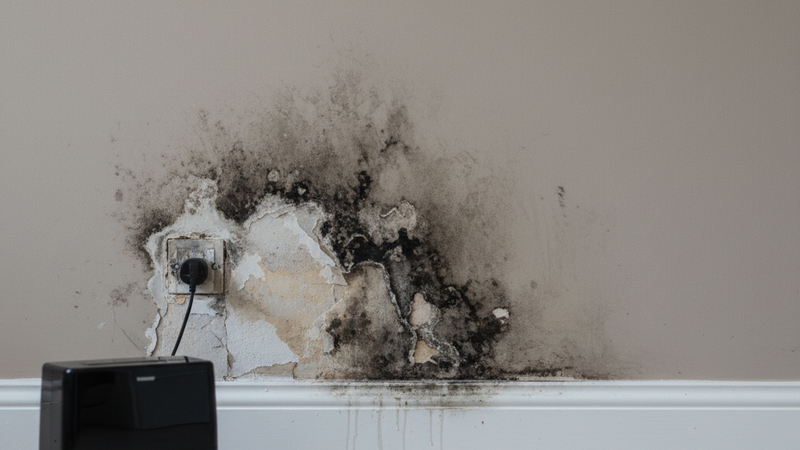
Black mould on walls is a common and concerning issue in many UK properties, often indicative of underlying moisture problems. This comprehensive guide, informed by expert knowledge and IICRC S520 guidelines, will detail how to effectively tackle black mould, understand its health implications, and implement preventative measures to protect your home and health.
Understanding Black Mould and Its Presence on Walls
Black mould, scientifically known as Stachybotrys chartarum, often appears as dark green or black spots. While not all black mould is Stachybotrys, any visible mould growth should be treated with caution due to potential health risks and its signal of a structural moisture issue.
Common Causes of Mould on UK Walls
Mould thrives in damp, humid conditions with poor ventilation. In the UK, common culprits include:
- Condensation: Often seen in bathrooms, kitchens, and bedrooms, particularly on external walls where warm, moist air meets cold surfaces.
- Water Leaks: From plumbing, roofs, or overflowing gutters can saturate walls and create ideal mould breeding grounds.
- Rising Damp: Where moisture from the ground travels up through the walls, often due to a faulty or absent damp-proof course.
- Penetrating Damp: Water ingress through external walls due to cracks, faulty brickwork, or damaged rendering.
Identifying Mould vs. Dirt
While some dark marks might just be dirt, mould typically has a fuzzy, slimy, or powdery texture and often a distinct musty odour. It tends to reappear quickly even after cleaning with regular household products if the underlying moisture issue isn't resolved.
Health & Safety Concerns of Black Mould
Exposure to mould, especially black mould, can pose significant health risks, particularly for vulnerable individuals. The NHS advises caution and proper remediation for mould issues.
Potential Health Impacts
Mould spores, when inhaled, can trigger a range of symptoms. According to the NHS, these may include:
- Respiratory problems, such as asthma attacks, wheezing, and coughing
- Allergic reactions, like sneezing, runny nose, red eyes, and skin rashes
- Headaches and fatigue
- Irritation of the eyes, nose, and throat
- Serious respiratory infections in people with weakened immune systems
Who is Most At Risk?
Certain groups are more susceptible to mould-related health issues:
- Babies and young children
- Elderly people
- Individuals with existing respiratory conditions (e.g., asthma, COPD)
- People with weakened immune systems
- Those with mould allergies
Important point
Never attempt to treat large areas of mould yourself if you are pregnant, suffer from respiratory conditions, or have a compromised immune system. Always seek professional help.
UK Regulations and Professional Standards for Mould Remediation
Mould remediation in the UK is governed by various regulations and best practice guidelines to ensure tenant safety and effective treatment.
IICRC S520 Guidelines
The IICRC S520 Standard and Reference Guide for Professional Mould Remediation is the gold standard in the industry. It outlines a structured, scientific approach to mould removal, focusing on:
- Containment: Preventing the spread of mould spores to unaffected areas.
- Source Identification and Rectification: Finding and fixing the moisture source.
- Mould Removal: Physical removal of mould, not just killing it.
- Personnel Protection: Ensuring technicians wear appropriate Personal Protective Equipment (PPE).
- Post-Remediation Verification: Ensuring the property is returned to a pre-mould condition.
UK Housing Health and Safety Rating System (HHSRS)
Under the UK Housing Health and Safety Rating System (HHSRS), mould and damp are assessed as Category 1 or 2 hazards. Landlords have a legal obligation to provide a safe and healthy environment for tenants, meaning they must address mould issues promptly and effectively. The recent introduction of Awaab's Law further strengthens tenant rights related to damp and mould, compelling landlords to act decisively.
Health and Safety Executive (HSE) Advice
The Health and Safety Executive (HSE) provides guidance on managing dampness and mould in workplaces and highlights the importance of risk assessment and using suitable controls to protect workers and occupants during remediation.
The Professional Mould Remediation Process
Engaging a professional mould remediation specialist ensures thorough and safe removal, following industry best practices like the IICRC S520.
Assessment and Source Identification
The first step is a detailed inspection to identify the type of mould, its extent, and crucial, the underlying moisture source. This often involves using moisture meters, thermal imaging, and detailed visual inspections.
Containment and Air Filtration
For significant mould growth, containment is critical. This involves creating a sealed work area using plastic sheeting and negative air pressure to prevent spores from spreading. High-efficiency particulate air (HEPA) filters are used to scrub airborne spores.
Mould Removal and Cleaning
Affected porous materials like plasterboard or insulation may need to be carefully removed and disposed of. Non-porous surfaces are cleaned using specialised antimicrobial solutions and HEPA vacuuming. The goal is to physically remove the mould, not just bleach its appearance, as dead mould spores can still cause health issues.
Drying and Post-Remediation Verification
Once mould is removed, the affected area is thoroughly dried using dehumidifiers and air movers. Post-remediation verification, which can include visual inspection, moisture readings, and air sampling, ensures the area is free of mould and safe for reoccupation.
Prevention and Long-Term Maintenance
Preventing mould growth is far more effective and less costly than remediation. A proactive approach is key to maintaining a healthy home.
Controlling Humidity and Ventilation
Effective humidity control and good ventilation are paramount:
- Ventilate: Open windows regularly, especially after showering, cooking, or drying clothes indoors. Use extractor fans in kitchens and bathrooms.
- Reduce Moisture: Avoid drying clothes on radiators inside. Fix leaks promptly. Use dehumidifiers in persistently damp areas.
- Heating: Maintain a consistent, moderate temperature throughout your home to prevent cold spots where condensation forms.
Insulation and Property Maintenance
Proper property maintenance plays a crucial role:
- Insulation: Improve wall and loft insulation to keep internal surfaces warmer and reduce condensation.
- Exterior Checks: Regularly inspect your roof, gutters, and exterior walls for damage that could allow water ingress. Clear gutters of debris.
- Damp Proofing: Ensure your property’s damp-proof course (DPC) is intact and not bridged.
When to Call Professional Mould Remediation Specialists
While small patches of surface mould can sometimes be tackled with care, larger or recurring issues demand expert intervention.
Signs You Need Professional Help
You should contact a professional if:
- The mould covers an area larger than 1 square metre (roughly 3ft by 3ft).
- You or your family members are experiencing mould-related health issues.
- The mould reappears quickly after cleaning.
- You suspect the mould is due to a hidden water leak or structural issue.
- The mould is affecting porous materials like plasterboard, carpets, or upholstery.
Pro-Tip
Our mould removal cost calculator can give you an initial estimate, but a professional assessment is always recommended for accurate pricing and scope of work.
Choosing a Qualified Professional
When selecting a mould remediation company in the UK, look for certifications such as IICRC, accreditations, and positive reviews. A reputable company will provide a detailed assessment, a clear action plan, and post-remediation verification. You can find more useful information by browsing our blog articles.
The Role of Universities in Mould Research
UK universities, such as the University of Manchester, conduct vital research into indoor air quality and mould, contributing to our understanding of its impacts and best remediation practices. Their studies often inform professional guidelines and public health advice.
Treating black mould on walls effectively requires understanding its causes, addressing health risks, and, for significant issues, engaging qualified professionals who adhere to standards like IICRC S520. Proactive prevention through proper ventilation and property maintenance is your best defence against this persistent problem.