Treating Mouldy Walls in the UK: A Comprehensive Guide
Discover effective strategies for treating mouldy walls in your UK home. This guide covers health risks, regulations, and professional remediation.
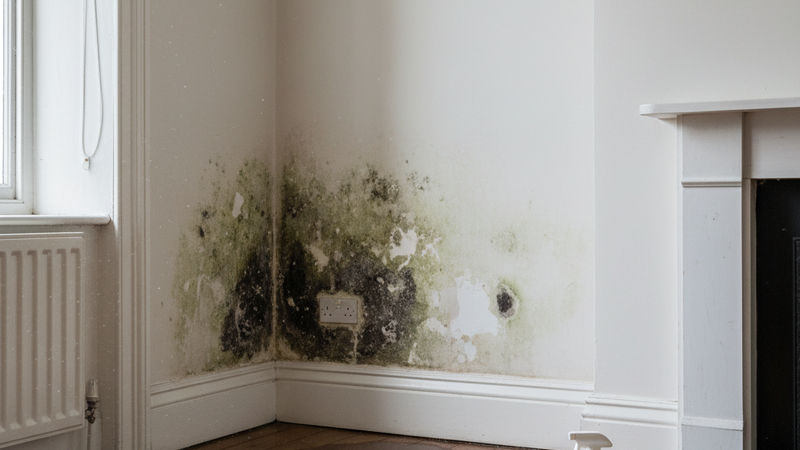
Mould growth on walls is a common and concerning issue for many UK homeowners and tenants, not only detracting from a property's appearance but also posing significant health risks and potential structural damage. Understanding the causes, health implications, and proper remediation techniques is crucial for effectively tackling this unwelcome invader.
Understanding Mould Growth on Walls
What is Mould and Why Does It Grow?
Mould is a type of fungus that thrives in damp, humid environments, reproducing by releasing microscopic spores into the air. When these spores land on a surface with sufficient moisture, organic material (such as plasterboard, paint, or wallpaper), and an appropriate temperature, they begin to grow and colonise.
- Moisture Sources: Common culprits include condensation (often seen in bathrooms and kitchens), leaks from pipes or roofs, rising damp, penetrating damp from external walls, and post-flood drying issues.
- Organic Material: Most building materials contain cellulose or other organic compounds that serve as a food source for mould.
- Poor Ventilation: Lack of adequate airflow traps moisture indoors, creating ideal conditions for mould propagation.
Common Types of Mould Found Indoors
While there are thousands of mould species, some are more commonly found indoors and can appear in various colours – black, green, white, or orange. The colour of mould doesn't necessarily indicate its toxicity, but any visible mould should be treated seriously.
- Cladosporium: Often found on painted surfaces, insulation, and in air ducts, it can be black, brown, or green.
- Penicillium & Aspergillus: These are very common indoors, appearing green or blue, and are often associated with water-damaged building materials.
- Stachybotrys Chartarum (Black Mould): This infamous mould is typically black or dark green and has a slimy texture. It often grows on materials with high cellulose content that have been consistently wet for extended periods, such as plasterboard or wood.
Health & Safety Concerns of Mould Exposure
Impacts on Human Health
Exposure to mould, its spores, and volatile organic compounds (MVOCs) can have a range of adverse health effects, particularly for vulnerable individuals. The NHS provides valuable information on mould-related health issues. For more details, visit the UKHSA guidance on damp and mould.
- Respiratory Problems: Coughing, wheezing, shortness of breath, and exacerbation of asthma.
- Allergic Reactions: Sneezing, runny nose, red eyes, skin rashes.
- Irritation: Eye, nose, throat, and skin irritation.
- Immunocompromised Individuals: Those with weakened immune systems are at higher risk of serious infections.
Safety Precautions During Remediation
When dealing with mould, especially significant growth, personal protective equipment (PPE) is essential to minimise exposure to spores and chemicals. The Health and Safety Executive (HSE) offers guidance on working safely with biological agents. Refer to HSE guidelines for further information.
Important point
Never attempt to clean mould from large areas (over 1 square meter) or from contaminated HVAC systems yourself. This requires professional expertise and specialised equipment to prevent further contamination.
- Respiratory Protection: Use at least an FFP2 or FFP3 respirator mask to filter out mould spores.
- Eye Protection: Goggles or safety glasses to protect eyes from spores and cleaning solutions.
- Gloves: Non-porous gloves (e.g., rubber or nitrile) to protect hands.
- Protective Clothing: Disposable overalls to prevent spores from settling on your clothes.
- Ventilation: Ensure the area is well-ventilated during and after cleaning to disperse spores and fumes.
UK Regulations and Industry Standards for Mould Remediation
Housing Health and Safety Rating System (HHSRS)
In the UK, mould and dampness fall under the Housing Health and Safety Rating System (HHSRS), enforced by local authorities. HHSRS assesses 29 housing hazards, and damp and mould growth is a significant one. Landlords have a legal obligation to address Category 1 hazards, which can include severe mould issues. More details can be found on the gov.uk HHSRS guidance page.
IICRC S520 Guidelines for Professional Remediation
The Institute of Inspection, Cleaning and Restoration Certification (IICRC) S520 Standard and Reference Guide for Professional Mould Remediation is the globally recognised benchmark for safe and effective mould removal. While not a direct UK regulation, it is widely adopted by reputable UK remediation specialists like us. The IICRC S520 outlines:
- Assessment: Identifying the source of moisture, extent of contamination, and potential health risks.
- Containment: Preventing the spread of mould spores to unaffected areas, crucial for preventing cross-contamination.
- Air Filtration: Using HEPA-filtered air scrubbers and negative air pressure to clean the air.
- Source Removal: Physically removing mould-contaminated materials, rather than just cleaning the surface.
- Drying: Thoroughly drying affected areas to prevent re-growth.
- Cleaning & Disinfection: Cleaning non-porous surfaces and applying appropriate biocides when necessary.
- Verification: Post-remediation assessment to confirm the mould has been successfully removed and the environment is safe.
Awaab's Law and Landlord Responsibilities
The tragic death of Awaab Ishak due to prolonged exposure to mould highlighted systemic failures in addressing damp and mould in social housing. This led to the introduction of Awaab's Law, which came into force in England on 27 October 2025. This legislation places strict legal duties on social landlords to investigate and fix hazards like damp and mould within specified timescales. While primarily for social housing, it sets a precedent for improved housing standards across the board. You can learn more about its implications on our Awaab's Law article.
Professional Mould Remediation Process for Walls
Initial Assessment and Moisture Source Identification
The first critical step in professional remediation is a thorough inspection to determine the extent of the mould growth and, most importantly, identify and rectify the underlying moisture source. Without addressing the moisture, mould will inevitably return.
- Visual Inspection: Identifying visible mould, discolouration, and water damage.
- Moisture Meter Readings: Measuring moisture levels in walls, floors, and ceilings to pinpoint hidden dampness.
- Thermal Imaging: Using infrared cameras to detect temperature differences indicative of moisture within wall cavities.
- Air Quality Testing (if required): Assessing airborne mould spore counts to determine the impact on indoor air quality.
Containment and Air Filtration
To prevent cross-contamination and protect unaffected areas of the property, strict containment measures are implemented before any remediation work begins.
- Physical Barriers: Erecting sealed plastic sheeting (polyethylene) to create a contained work zone.
- Negative Air Pressure: Using specialised fans (negative air machines) with HEPA filters to create negative air pressure within the containment, ensuring that air flows into, rather than out of, the contaminated area, trapping spores.
- HEPA Air Scrubbers: Continuously filtering airborne mould spores from the contained environment.
Mould Removal and Structural Drying
The core of remediation involves the physical removal of mould and mould-contaminated materials, followed by thorough drying.
- Removal of Affected Materials: Porous materials like plasterboard, insulation, and wallpaper that are heavily contaminated are carefully removed, bagged, and disposed of according to waste regulations.
- HEPA Vacuuming: All surfaces are thoroughly HEPA vacuumed to capture microscopic spores.
- Cleaning Non-Porous Surfaces: Hard, non-porous surfaces are cleaned with appropriate antimicrobial solutions and then wiped dry.
- Structural Drying: Industrial dehumidifiers and air movers are deployed to rapidly dry the affected building materials to prevent future mould growth. Moisture levels are continuously monitored.
Key Principle of Remediation
The IICRC S520 emphasises 'source removal' – meaning mould should be physically removed, not just bleached or painted over. Bleach only discolours mould and doesn't address the hyphae embedded within porous materials, often leading to re-growth.
Prevention and Long-Term Maintenance
Controlling Moisture and Ventilation
The most effective way to prevent mould is to control moisture and ensure adequate ventilation. This is crucial for long-term mould prevention.
- Ventilation: Open windows regularly, especially after showering or cooking. Use extractor fans in bathrooms and kitchens. Consider trickle vents in windows.
- Heating: Maintain a consistent, moderate temperature throughout your home to prevent cold spots where condensation forms.
- Drying Clothes: Dry laundry outdoors if possible, or in a well-ventilated room with a window open or a dehumidifier running.
- Fix Leaks Promptly: Repair any leaks from pipes, roofs, or windows immediately to prevent water damage.
- Dehumidifiers: Use dehumidifiers in areas prone to dampness, such as basements or poorly ventilated rooms.
Insulation and Property Maintenance
Proper insulation and regular property maintenance play a vital role in reducing condensation and preventing mould growth.
- Insulation: Improve wall and loft insulation to keep internal surfaces warmer and reduce condensation.
- Damp Proofing: Ensure your property has effective damp proof courses (DPCs) and maintain them to prevent rising damp.
- Guttering and Drainage: Keep gutters and downpipes clear and in good repair to direct rainwater away from your property. Ensure external ground levels are lower than the DPC.
- Regular Cleaning: Regularly clean and inspect areas prone to mould, such as window frames and bathroom sealant.
When to Call Professional Mould Remediation Specialists
Recognising When the Problem is Too Big
While small patches of surface mould (less than 1 square meter) can often be managed with careful DIY cleaning, larger infestations require professional intervention. It's crucial to understand the limitations of DIY solutions.
- Large Areas: If the mould covers an area larger than a shower door or approximately 1 square meter.
- Recurrent Mould: If mould keeps returning despite your best efforts at cleaning and moisture control.
- Hidden Mould: If you suspect mould behind walls, under flooring, or in inaccessible areas (e.g., strong musty smell without visible mould).
- Health Concerns: If anyone in the household is experiencing severe mould-related health symptoms.
- Contaminated HVAC: If mould is found in or near your heating, ventilation, and air conditioning system.
The Benefits of Professional Expertise
Engaging IICRC-certified professionals ensures the mould is dealt with safely, effectively, and permanently, protecting both your property and your health.
- Thorough Assessment: Professionals can accurately identify the mould type, extent, and moisture source.
- Safe Removal: Using specialised equipment and containment procedures to prevent spore spread.
- Effective Cleaning: Employing industrial-grade cleaning agents and techniques that are more effective than household products.
- Structural Drying: Ensuring all affected materials are thoroughly dried to prevent re-growth.
- Post-Remediation Verification: Offering peace of mind that the mould has been successfully eliminated.
- Guaranteed Results: Reputable firms offer guarantees on their work, ensuring long-term mould prevention.
For guidance on estimating the cost of professional remediation, you can use our mould removal cost calculator. If you suspect you have a significant mould issue, do not hesitate to consult with an IICRC-certified mould remediation specialist. For more detailed information and articles on various mould-related topics, please visit our blog.