Wall Mould in UK Homes: Identification, Health & Removal
Discover how to identify, understand the health risks, and effectively remove wall mould in UK properties, adhering to IICRC S520 guidelines.
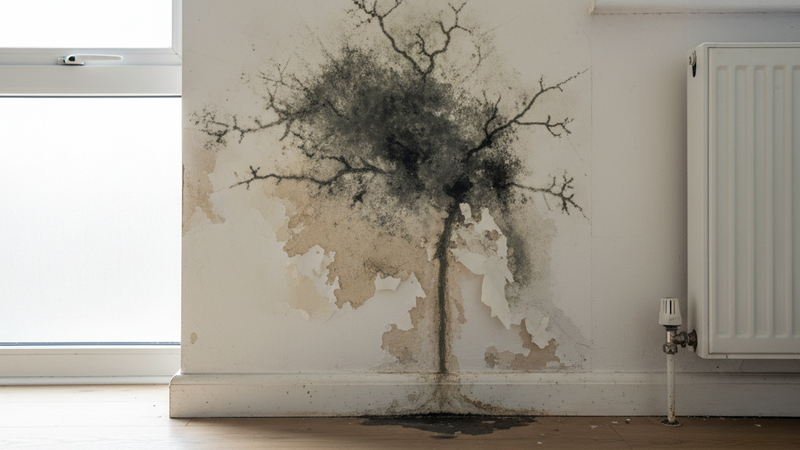
Wall mould, often colloquially referred to as 'wall mole' in the UK, is a common and concerning issue for many homeowners and tenants. This pervasive fungal growth not only detracts from the aesthetic appeal of a property but can also pose significant health risks and compromise the structural integrity of buildings if left unaddressed. Understanding its causes, effects, and proper remediation methods is crucial for maintaining a healthy living environment.
Understanding Wall Mould and Its Causes
Wall mould refers to various types of fungi that grow on interior and exterior walls. It thrives in damp, dark, and poorly ventilated environments, feeding on organic materials commonly found in building structures like plasterboard, wood, and wallpaper. Identifying the type and cause of mould is the first step towards effective remediation.
Common Types of Wall Mould
While many types of mould can appear on walls, some are more common in UK properties:
- Cladosporium: Often black or dark green, found on painted surfaces, wood, and insulation.
- Aspergillus: Can be various colours and is a common indoor mould. Some species produce mycotoxins.
- Penicillium: Commonly blue or green, often found on materials with water damage.
- Stachybotrys chartarum (Black mould): A black or greenish-black mould often associated with prolonged dampness. While often sensationalised, it does produce potent mycotoxins.
Root Causes of Moisture on Walls
Mould cannot grow without moisture. Identifying and rectifying the source of this moisture is paramount:
- Condensation: Poor ventilation, especially in bathrooms, kitchens, and bedrooms, leads to warm, moist air condensing on cold surfaces like external walls.
- Penetrating Damp: Water ingress from outside due to damaged roofs, faulty guttering, cracked rendering, or porous brickwork allows rainwater to soak into walls.
- Rising Damp: Ground moisture travels up through walls via capillary action, often due to a faulty or absent damp-proof course (DPC).
- Leaks: burst pipes, leaking showers, or overflowing tanks within wall cavities can cause significant hidden dampness, leading to mould growth behind surfaces.
- Construction Defects: Cold bridges or inadequate insulation can create cold spots where condensation readily forms.
Important point
Addressing the moisture source is more critical than just treating the visible mould. Without resolving the underlying dampness, mould will inevitably return.
Health and Safety Concerns of Wall Mould
Exposure to mould, particularly within indoor environments, can have a range of adverse health effects. The UK's NHS and the Health and Safety Executive (HSE) both provide guidance on the risks, emphasising that certain groups are particularly vulnerable.
Potential Health Impacts
Mould produces spores, allergens, irritants, and sometimes mycotoxins. Inhaling or touching these can lead to:
- Respiratory Problems: Wheezing, coughing, shortness of breath, and exacerbation of asthma.
- Allergic Reactions: Sneezing, runny nose, red eyes, skin rash.
- Irritation: Eye, nose, throat, and skin irritation.
- Immunocompromised Individuals: More severe infections, particularly fungal infections.
- Chronic Fatigue: Some studies link chronic mould exposure to fatigue and other neurological symptoms, though more research is ongoing.
Vulnerable Groups
Certain individuals are more susceptible to the health effects of mould exposure:
- Infants and young children
- Elderly people
- People with pre-existing respiratory conditions (e.g., asthma, COPD)
- Individuals with weakened immune systems (e.g., those undergoing chemotherapy, HIV/AIDS patients, transplant recipients)
- Individuals with mould allergies
UK Regulations and Industry Standards for Mould Remediation
In the UK, both statutory regulations and industry guidelines govern how mould should be addressed, particularly in rental properties and by professional contractors. These standards aim to protect both occupants and remediation workers.
Housing Health and Safety Rating System (HHSRS)
The HHSRS, enforced by local authorities, assesses 29 housing hazards, with 'Damp and Mould Growth' being one of the most significant. If mould growth is excessive and poses a risk to health, local authorities can compel landlords to take action. Recent legislative changes, particularly Awaab's Law, further strengthen tenants' rights and landlords' obligations regarding damp and mould.
IICRC S520 Standards for Professional Remediation
The Institute of Inspection, Cleaning and Restoration Certification (IICRC) publishes the S520 Standard and Reference Guide for Professional Mould Remediation. While not legally binding in the UK, it is the globally recognised best practice guideline adopted by professional remediation companies. Key principles include:
- Containment: Preventing mould spores from spreading to unaffected areas.
- Moisture Source Identification: Locating and rectifying the source of dampness.
- Removal, Not Just Killing: Physically removing mould and mould-contaminated materials, as dead mould spores can still be allergenic.
- Personal Protective Equipment (PPE): Ensuring workers are adequately protected during remediation.
- Post-Remediation Verification: Ensuring that mould has been successfully removed and the environment is safe.
Professional Mould Remediation Process
For significant mould growth, professional remediation is highly recommended. A structured approach ensures comprehensive and safe removal, adhering to IICRC S520 guidelines.
Assessment and Containment
- Initial Inspection: Comprehensive assessment to determine the extent of mould growth, moisture sources, and hidden contamination. This may involve moisture meters, thermal imaging, and air sampling.
- Risk Assessment: Evaluating potential health risks to occupants and workers.
- Containment Setup: Establishing physical barriers (e.g., polyethylene sheeting) and negative air pressure to prevent cross-contamination to unaffected areas. This typically involves HEPA air scrubbers.
Mould Removal and Cleaning
- Moisture Source Rectification: Repairing leaks, improving ventilation, or installing a damp-proof membrane.
- Material Removal: Non-salvageable porous materials (e.g., plasterboard, insulation, carpet) are carefully removed and double-bagged for disposal.
- Surface Cleaning: Non-porous surfaces are cleaned with biocide-free cleaning agents and scrubbed to physically remove mould. HEPA vacuuming is used to collect spores.
- Drying: Using industrial dehumidifiers and air movers to thoroughly dry the affected area to prevent recurrence.
Post-Remediation Verification and Repairs
- Post-Remediation Inspection: Visual inspection to confirm no visible mould remains. May include re-testing air quality and moisture levels.
- Structural Repairs: Once remediation is complete and verified, affected building materials are replaced, and repairs are carried out to restore the property.
Prevention and Maintenance Strategies
Preventing wall mould is far more effective and less costly than remediation. A proactive approach to moisture control and ventilation is key for UK homes.
Controlling Indoor Humidity
- Ventilation: Use extractor fans in bathrooms and kitchens. Open windows regularly, even for short periods, especially after showering, cooking, or drying laundry indoors.
- Heating: Maintain a consistent ambient temperature. Avoid extreme temperature fluctuations that lead to condensation.
- Dehumidifiers: Use mechanical dehumidifiers in areas prone to dampness.
Addressing Property Maintenance Issues
Regular property checks can identify and fix damp issues before they escalate:
- Guttering and Roof: Ensure gutters are clear and downpipes are functional. Inspect roofs for damaged tiles or flashing.
- External Walls: Check for cracks in rendering or pointing that could allow water ingress.
- Plumbing: Promptly repair any leaks from pipes, taps, or appliances.
- Damp Proof Course: Ensure the DPC is visible and not breached by raised ground levels.
- Insulation: Improve wall and loft insulation to reduce cold spots and condensation potential. Research from UK universities often highlights the impact of building design on indoor air quality.
When to Call Professional Mould Remediation Specialists
While small patches of surface mould can often be managed by homeowners, there are clear indicators that professional intervention is necessary to ensure safety and effective remediation.
Indicators for Professional Assistance
- Large Areas: If mould covers an area larger than 1 square meter (approximately 10 sq ft) or is widespread across multiple surfaces.
- Hidden Mould: If you suspect mould is growing behind walls, under flooring, or in inaccessible areas (often indicated by a persistent musty smell).
- Health Symptoms: If occupants are experiencing chronic mould-related health issues.
- Recurrent Mould: If mould repeatedly returns despite your best efforts to clean and prevent it, indicating an unresolved moisture issue.
- Compromised Materials: When porous materials like plasterboard, insulation, or carpet are visibly affected and require removal.
- After Water Damage: Following significant water events (e.g., floods, burst pipes), mould can develop rapidly and extensively.
Benefits of Professional Remediation
Engaging professional mould specialists offers several key advantages:
- Expertise: Trained technicians can accurately identify moisture sources and mould types.
- Equipment: Access to specialised equipment for containment, air scrubbing, and drying.
- Safety: Professionals use appropriate PPE and follow safety protocols to protect themselves and occupants.
- Thoroughness: Ensures all mould, including hidden growth, is addressed and prevented from returning.
- Verification: Post-remediation testing provides peace of mind that the property is safe.
Considering the cost?
While initially an investment, professional mould remediation can save significant money and health issues in the long run. Use our cost calculator for an estimate or visit our blog for more insights.