Ways to Get Rid of Mould: A UK Guide to Safe Remediation
Discover effective and safe ways to get rid of mould in your UK home. Learn about health risks, regulations, and when to call professional mould remediators.
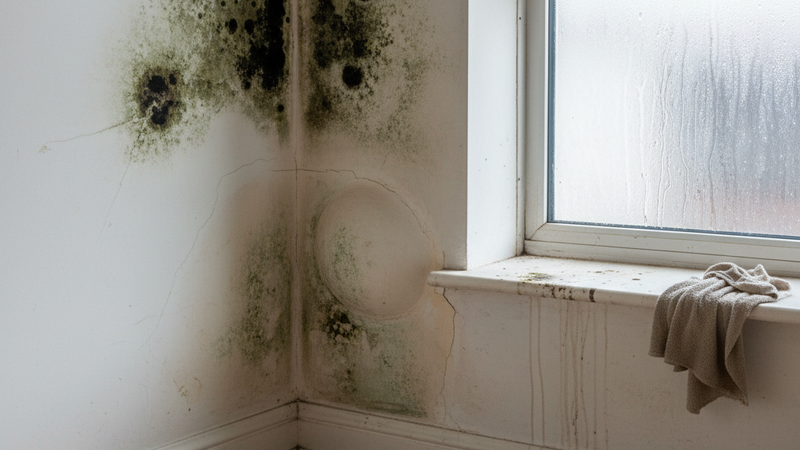
Mould growth in your home is not just an eyesore; it can pose significant health risks and compromise the structural integrity of your property. Understanding how to effectively and safely remove mould, especially in line with established UK guidelines, is crucial for maintaining a healthy living environment and preventing its return.
Understanding Mould: What it is and Why it Forms
Mould is a type of fungus that thrives in damp, humid conditions. It reproduces by releasing spores into the air, which can then settle on surfaces and grow if the right conditions are met. Recognising the common culprits behind mould growth is the first step towards effective remediation.
Common Types of Mould in UK Homes
While thousands of mould species exist, those commonly found in UK homes often include Cladosporium (dark green/black), Aspergillus (green/white powdery patches), Penicillium (blue/green, often fuzzy), and Stachybotrys chartarum (black mould, particularly concerning). Identifying the type isn't always necessary for remediation, but understanding their appearance can help in early detection.
Root Causes of Mould Growth
Mould needs three things to grow: moisture, a food source (any organic material like wood, drywall, carpet, or dust), and suitable temperatures. In UK homes, the primary driver is often excessive moisture from various sources:
- Condensation: Poor ventilation in kitchens, bathrooms, and bedrooms, especially in colder months, leads to water vapour condensing on cold surfaces.
- Leaks: Roof leaks, plumbing leaks, leaking appliances, or even overflowing gutters can introduce significant moisture.
- Rising Damp: Moisture drawn up from the ground into walls, often due to faulty or absent damp-proof courses.
- Penetrating Damp: Water ingress through walls from external sources like damaged brickwork, pointing, or render.
- Flooding: Major water events can saturate building materials, making them breeding grounds for mould if not dried properly and promptly.
Health and Safety Concerns of Mould Exposure
Beyond aesthetic damage, mould can have serious implications for human health. The UKHSA guidance on damp and mould provides clear advice on potential health impacts, making it clear that mould should not be ignored.
Potential Health Effects
Exposure to mould spores can trigger a range of symptoms, particularly in vulnerable individuals such as children, the elderly, and those with pre-existing respiratory conditions or compromised immune systems. Symptoms can include:
- Allergic reactions: sneezing, runny nose, red eyes, skin rash.
- Asthma attacks: coughing, wheezing, shortness of breath.
- Irritation: to eyes, skin, nose, throat, and lungs.
- More severe respiratory issues: in prolonged or extreme cases, particularly for sensitive individuals.
Important point
The tragic case of Awaab Ishak highlighted the critical importance of addressing mould in rented properties. Awaab's Law, in force for social landlords in England since 27 October 2025, requires them to tackle dangerous hazards like mould within fixed timescales.
Safe Practices During DIY Mould Removal
For very small areas of mould (smaller than about one square metre), residents might consider DIY removal. However, strict safety precautions are paramount to avoid exposure and cross-contamination:
- Ventilation: Open windows and doors.
- Personal Protective Equipment (PPE): Wear gloves, eye protection, and a P3 respirator mask.
- Containment: Isolate the area to prevent spores from spreading.
- Cleaning Agents: Use appropriate mould removers (e.g., diluted bleach, white vinegar, or specific anti-mould sprays). Never mix cleaning products.
- Disposal: Double-bag all contaminated materials and dispose of them carefully.
UK Regulations and Industry Standards for Mould Remediation
In the UK, addressing mould goes beyond simple cleaning; it often falls under specific regulations and industry standards designed to protect occupants and ensure proper remediation. Both homeowners and landlords have responsibilities in this area.
The Housing Health and Safety Rating System (HHSRS)
The Housing Health and Safety Rating System (HHSRS) is used by local authorities to assess potential hazards in residential properties, including damp and mould. Serious damp and mould can be rated as a Category 1 hazard, in which case the council must take enforcement action and the landlord has to put it right.
IICRC S520 and Professional Best Practices
For professional mould remediation, the industry benchmark is the IICRC S520 Standard for Professional Mould Remediation. This comprehensive document outlines the principles, methods, and practices for safe and effective mould removal, ensuring technicians follow a structured approach that includes:
- Assessment and investigation of the mould issue and its source.
- Containment to prevent cross-contamination.
- Air filtration to capture airborne spores.
- Removal of contaminated materials.
- Cleaning and disinfection of affected surfaces.
- Drying and moisture control.
- Post-remediation evaluation and clearance testing.
Adhering to these standards ensures that mould is not just visually removed, but comprehensively eliminated, alongside its underlying moisture source.
The Professional Mould Remediation Process
When mould infestation is extensive, recurrent, or impacting health, professional intervention is essential. Expert remediators follow a systematic, science-backed approach to ensure complete and safe removal.
Assessment and Source Identification
The process begins with a thorough assessment by a certified mould inspector. This involves identifying the type and extent of mould growth, moisture sources driving the problem, and affected materials. Thermal imaging, moisture meters, and air sampling are often used for accurate diagnosis. Understanding the root cause is critical, as remediation without addressing the source will lead to recurrence.
Containment, Removal, and Cleaning
Once assessed, the affected area is carefully contained using physical barriers and negative air pressure to prevent spores from spreading to unaffected parts of the property. Contaminated porous materials (e.g., drywall, insulation, carpet) are safely removed and disposed of. Non-porous surfaces are cleaned with professional-grade antimicrobial solutions. Advanced equipment like HEPA vacuums are used to capture microscopic mould spores, not just surface growth.
Drying, Prevention, and Post-Remediation Verification
After removal, the area is thoroughly dried using industrial dehumidifiers and air movers to eliminate any residual moisture. Anti-fungal treatments may be applied to resistant surfaces. Crucially, the underlying moisture problem must be resolved. Finally, a post-remediation verification (PRV), often involving air quality testing, is conducted to ensure the property is mould-free and safe for re-occupancy. This comprehensive approach is what sets professional remediation apart from DIY attempts.
Prevention and Long-Term Maintenance
The best way to get rid of mould is to prevent it from forming in the first place. Long-term mould prevention relies on consistent moisture control and good indoor air quality practices.
Controlling Humidity and Ventilation
Effective moisture management is the cornerstone of mould prevention. This involves:
- Ventilation: Use extractor fans in kitchens and bathrooms, and open windows regularly, even for a few minutes daily, to allow fresh air circulation.
- Heating: Maintain a consistent, moderate indoor temperature, avoiding cold spots where condensation can form.
- Dehumidifiers: Use them in areas prone to dampness, especially during colder months.
- Drying Clothes: Dry laundry outdoors if possible, or use a tumble dryer vented outside. If drying indoors, ensure good ventilation.
Regular Inspections and Maintenance
Proactive maintenance can catch moisture issues before they escalate into mould problems:
- Check for Leaks: Regularly inspect plumbing, roofs, and gutters for signs of leaks or water ingress. Repair promptly.
- Seal Gaps: Ensure window and door seals are intact and external walls are well-maintained to prevent penetrating damp.
- Clean Regularly: Dust and vacuum frequently, as mould spores can feed on organic dust particles. Clean bathroom and kitchen surfaces regularly with antifungal cleaners.
Did you know?
Many universities, like the University of Edinburgh, provide guidance on mould prevention in their facilities, highlighting the widespread nature of this issue and the importance of good building management.
When to Call Professional Mould Remediation Specialists
While small, superficial mould patches can sometimes be tackled by homeowners, there are clear indicators that professional help is both necessary and highly recommended to ensure safety and effective removal.
Signs it's Time for Professional Intervention
You should contact a professional mould remediation company if any of the following apply:
- Large Areas of Mould: If the mould covers an area larger than one square metre or appears in multiple locations.
- Recurrent Mould: If mould keeps returning despite repeated cleaning. This signals an unaddressed underlying moisture problem.
- Hidden Mould: If you suspect mould behind walls, under flooring, or in inaccessible areas (e.g., a musty smell without visible mould).
- Health Symptoms: If occupants are experiencing persistent health issues linked to mould exposure.
- After Water Damage: If your property has experienced significant water damage from a flood or burst pipe, even if mould isn't yet visible.
- Black Mould (Stachybotrys chartarum): While all mould should be treated seriously, black mould requires particular caution due to common misconceptions and potential health impacts.
Benefits of Hiring Certified Specialists
Choosing certified mould remediation specialists ensures a thorough, safe, and effective resolution to your mould problem. Benefits include:
- Expertise: Trained technicians understand mould biology, building science, and proper containment protocols.
- Safety: They use appropriate PPE and follow safety guidelines to protect both themselves and occupants.
- Advanced Equipment: Access to specialized tools for detection, removal, air filtration, and drying.
- Long-Term Solutions: Addressing the root cause, not just the visible mould, to prevent recurrence.
- Post-Remediation Verification: Ensuring the property is safe and mould-free post-treatment.
Don't hesitate to explore our mould removal cost calculator for an estimate or read more about mould-related topics on our blog.