Understanding & Remediating Wet Mould in UK Homes & Businesses
Discover expert insights into wet mould, its health risks, UK regulations, and professional remediation strategies for a safe, healthy environment.
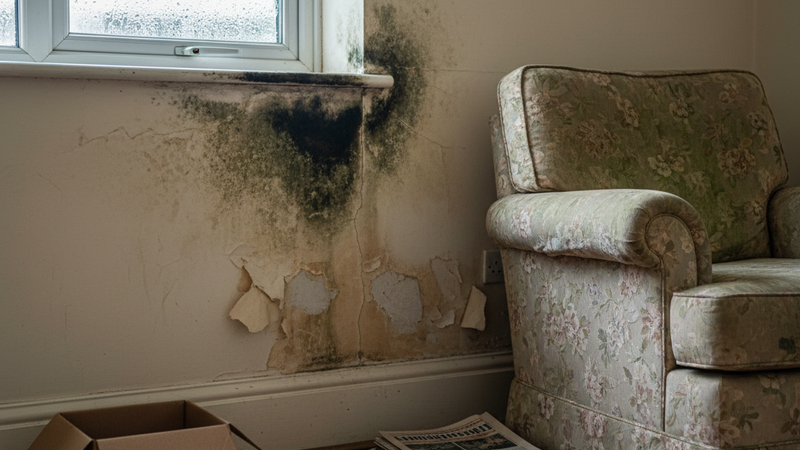
Wet mould, often identified by its slimy or fuzzy appearance and distinct earthy odour, signifies an active and often severe moisture problem within a property. Unlike dry, powdery mould, wet mould thrives in persistently damp conditions, making its presence a critical indicator of water ingress, condensation issues, or plumbing failures. Understanding the nature of wet mould is the first step towards effectively addressing this common, yet often underestimated, household and commercial challenge across the UK.
What is Wet Mould? Understanding the Issue
Wet mould refers to various fungi species that require significant moisture to grow and proliferate. It often presents as a sticky, slimy, or sometimes velvety patch, distinct from the drier, powdery forms of mould. Its presence is a clear signal that there's an underlying issue with excessive moisture that needs immediate attention.
Common Types and Appearances
While many mould species can appear wet or slimy under certain conditions, some are more commonly associated with persistent dampness. These include:
- Stachybotrys chartarum (Black Mould): Infamous for its slimy, black appearance, often found after significant water damage.
- Fusarium: Can appear pinkish or reddish and often has a cottony or slimy texture.
- Ulocladium: Dark brown or black, usually associated with very wet conditions.
The appearance of these moulds typically indicates an ongoing water source, rather than just high humidity, making their remediation more complex.
Causes of Wet Mould Growth in UK Properties
Several factors contribute to the ideal conditions for wet mould growth in UK properties, often stemming from compromised building integrity or poor ventilation:
- Water Leaks: From plumbing, roofs, or foundations, providing a direct water source.
- Condensation: Especially prevalent in poorly ventilated areas like bathrooms, kitchens, and basements where warm, moist air meets cold surfaces.
- Flooding: Even minor floods can leave behind sufficient moisture for mould to flourish.
- Penetrating Damp: Water seeping through external walls due to faulty guttering, cracks in rendering, or porous brickwork.
- Rising Damp: Moisture drawn up from the ground into walls, often visible as a tide mark.
Important point
Addressing the underlying moisture source is paramount for effective wet mould remediation. Without resolving the damp issue, mould will inevitably return.
Health & Safety Concerns Associated with Wet Mould
Exposure to wet mould can pose significant health risks, particularly for vulnerable groups. The NHS provides guidance on the health impacts of damp and mould, highlighting respiratory problems and infections.
Respiratory and Allergic Reactions
Mould spores, volatile organic compounds (VOCs), and mycotoxins released by mould can trigger a range of adverse health effects:
- Asthma exacerbation: Mould is a known trigger for asthma attacks.
- Allergic rhinitis: Symptoms like sneezing, runny nose, red eyes, and skin rash.
- Respiratory infections: Especially in individuals with compromised immune systems.
- Hypersensitivity pneumonitis: A rare but serious lung condition.
The NHS advises that damp and mould can worsen existing conditions and cause new health problems.
Mycotoxins and Toxic Mould Syndromes
Some species of mould, particularly Stachybotrys chartarum (often called 'toxic black mould'), produce mycotoxins. These toxic substances can be inhaled or absorbed through the skin, potentially leading to more severe health issues, although the direct link to 'toxic mould syndrome' is still debated in the medical community. Symptoms attributed to mycotoxin exposure can include neurological issues, fatigue, and headaches.
Vulnerable Populations and Increased Risk
Certain groups are more susceptible to the adverse health effects of mould exposure:
- Infants and young children: Developing respiratory systems are more vulnerable.
- Elderly individuals: Often have weakened immune systems.
- People with pre-existing respiratory conditions: Such as asthma, COPD, or cystic fibrosis.
- Individuals with compromised immune systems: Due to illness, chemotherapy, or immunosuppressant medications.
UK Regulations and Standards for Mould Remediation
In the UK, addressing mould in properties is not just a health concern but also a legal and regulatory one, particularly for landlords and property managers. Adherence to established guidelines ensures safe and effective remediation.
IICRC S520 Guidelines and UK Application
The Institute of Inspection, Cleaning and Restoration Certification (IICRC) S520 Standard and Reference Guide for Professional Mould Remediation is the globally recognised benchmark for safe and effective mould removal. While developed in the US, its principles are widely adopted by professional remediation companies in the UK. Key aspects include:
- Containment: Preventing the spread of mould spores during remediation.
- PPE (Personal Protective Equipment): Protecting workers from exposure.
- Moisture Source Identification: Crucial for preventing recurrence.
- Cleaning and Removal: Not just killing, but physically removing mould.
- Drying and Verification: Ensuring affected areas are thoroughly dry.
Adhering to these standards ensures a comprehensive and lasting solution to mould issues. You can learn more about IICRC standards on their official website.
Health and Safety Executive (HSE) Guidance
The Health and Safety Executive (HSE) provides guidance for employers and landlords on managing mould risks in the workplace and residential properties. Their advice aligns with the general principle that mould should be removed safely, and the underlying cause of dampness addressed.
Employer Responsibility
Employers have a duty of care under the Health and Safety at Work etc Act 1974 to ensure a safe working environment, which includes managing mould. See the HSE's guidance on mould for more details.
Housing Health and Safety Rating System (HHSRS) and Awaab's Law
For residential properties, the Housing Health and Safety Rating System (HHSRS), managed by local authorities, assesses potential hazards in homes, including damp and mould. Significant mould growth can be categorised as a Category 1 hazard, requiring landlords to take action.
The tragic case of Awaab Ishak has led to the introduction of Awaab's Law, which since 27 October 2025 has placed stronger legal duties on social landlords in England to address hazards like damp and mould within fixed timescales. This has increased scrutiny and enforcement regarding mould remediation in social housing.
Professional Wet Mould Remediation Process
Effective remediation of wet mould requires a systematic approach, following industry best practices to ensure complete removal and prevent recurrence.
Assessment and Containment
The initial phase involves a thorough assessment to determine the extent of mould growth, identify the moisture source, and classify the mould contamination level. Based on this, a containment strategy is implemented using physical barriers (e.g., polythene sheeting) and negative air pressure to prevent spores from spreading to unaffected areas.
Moisture Source Rectification and Material Removal
Before any mould removal begins, the underlying moisture source must be permanently resolved. This might involve plumbing repairs, roof sealing, or improving ventilation. Once the source is dealt with, all mould-contaminated porous materials (e.g., plasterboard, insulation, carpets) that cannot be effectively cleaned are carefully removed and double-bagged for disposal.
Cleaning, Disinfection, and Drying
Non-porous surfaces are then meticulously cleaned using specialised biocides and antimicrobial agents, followed by HEPA vacuuming to capture any remaining spores. The area is then thoroughly dried using dehumidifiers and air movers. Post-remediation verification, which may include air sampling, is conducted to confirm the successful removal of mould and mould spores to acceptable levels.
Prevention and Maintenance Strategies
Preventing wet mould growth is far more cost-effective and healthier than dealing with remediation. Proactive measures are key to maintaining a mould-free environment.
Controlling Humidity and Ventilation
Maintaining indoor humidity levels between 30-50% is crucial. This can be achieved by:
- Adequate Ventilation: Using extractor fans in kitchens and bathrooms, opening windows regularly, especially after showering or cooking.
- Dehumidifiers: Particularly useful in damp prone areas like basements or during prolonged wet weather.
- Avoiding Drying Clothes Indoors: If unavoidable, ensure good ventilation.
Regular Property Inspections and Maintenance
Proactive maintenance can prevent many mould issues:
- Check for Leaks: Regularly inspect plumbing, roofs, and windows for any signs of water ingress.
- Maintain Gutters and Downpipes: Ensure they are clear and functional to direct water away from the property.
- Address Rising/Penetrating Damp: Seek professional advice for persistent damp issues.
- Insulation: Improve insulation to reduce cold spots where condensation can form.
Swift Response to Water Damage
Any water intrusion, whether from a spill, leak, or flood, must be dealt with immediately. Drying affected areas within 24-48 hours is critical to prevent mould growth. If porous materials remain wet for longer, they are highly susceptible to mould colonisation.
When to Call Professional Mould Remediation Specialists
While small patches of surface mould might be manageable by a homeowner, wet mould often indicates a larger, more entrenched problem that necessitates professional intervention.
Size and Location of Mould Growth
You should always consult professionals if:
- The mould growth covers an area larger than one square metre (approximately 10 square feet).
- Mould appears in difficult-to-reach areas like wall cavities, under flooring, or in HVAC systems.
- You suspect the presence of 'black mould' (Stachybotrys chartarum) due to its potential health risks.
Health Concerns and Underlying Moisture Issues
If occupants are experiencing mould-related health symptoms, or if the mould problem is recurring despite your best efforts, professional assessment is crucial. Furthermore, if you cannot identify or rectify the underlying moisture source, a specialist will have the expertise and equipment to do so.
Benefits of Professional Remediation
Engaging certified mould remediation specialists offers numerous advantages:
- Expertise: Trained in IICRC S520 standards, ensuring thorough and safe removal.
- Specialised Equipment: Access to professional-grade tools for moisture detection, air filtration (HEPA), and drying.
- Containment: Prevents cross-contamination to unaffected areas.
- Health and Safety: Professionals use appropriate PPE and follow strict safety protocols.
- Long-Term Solutions: Address the root cause to prevent future mould growth.
- Peace of Mind: Knowing the problem has been dealt with comprehensively and effectively.
Don't let wet mould compromise your health or property value. For a reliable assessment and remediation plan, consider using our mould removal cost calculator or browse our blog for more insights into mould management in the UK.