What to Use on Mold on Walls: Expert UK Guide
Discover the most effective and safe methods for treating mold on walls in UK homes, following IICRC S520 guidelines and expert advice.
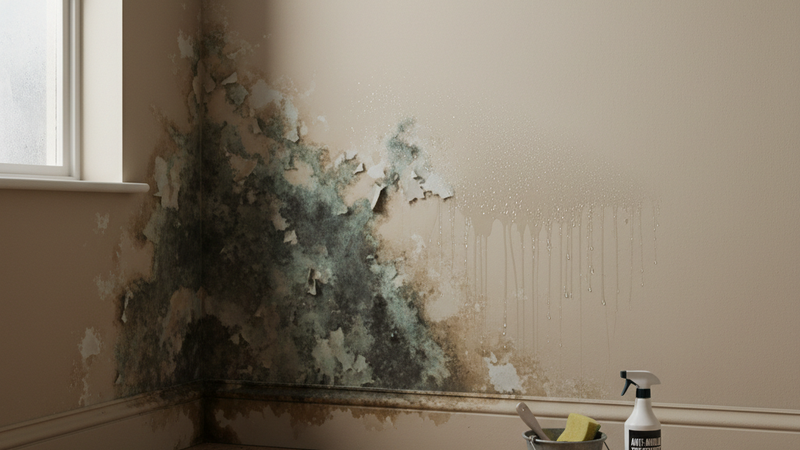
When facing the pervasive problem of mould on your walls, it's crucial to understand not just what remedies are available, but also which are safe, effective, and compliant with UK health and safety standards. This guide, developed by UK mould remediation specialists and adhering to the IICRC S520 guidelines, delves into the best practices for assessing, treating, and preventing mould growth in your property.
Understanding Mould on Walls: Causes and Types
Mould is a common issue in many UK properties, often indicative of underlying dampness problems. Its presence can degrade your home's structure and pose significant health risks.
Common Causes of Wall Mould
Mould thrives in damp, humid environments. In the UK, common culprits for wall mould include:
- Condensation: Often seen in poorly ventilated areas like bathrooms, kitchens, and bedrooms, where warm, moist air meets cold surfaces.
- Penetrating Damp: Caused by water ingress through damaged roofs, faulty guttering, cracks in external walls, or around window frames.
- Rising Damp: Where groundwater rises through capillary action into walls from the ground, usually due to a failed or absent damp-proof course.
- Leaks: Hidden leaks from plumbing, central heating systems, or washing machines can saturate walls and create ideal mould growth conditions.
Identifying Types of Mould
While many types of mould can appear as fuzzy, spotty, or slimy patches, their colours can vary from black, green, or brown to white and orange. Each indicates different species, but all require appropriate action. The most common household mould is Cladosporium (often green/black), followed by Aspergillus and Penicillium species. While often referred to as "black mould," Stachybotrys chartarum is less common but more toxigenic, usually requiring professional intervention.
Health & Safety Concerns: Protecting Your Household
Mould is not just unattractive; it can have serious implications for human health. Understanding these risks is crucial for taking the right course of action.
Impact on Health
Exposure to mould spores can trigger a range of health problems, particularly for vulnerable groups such as:
- Babies and young children
- Elderly individuals
- People with respiratory conditions like asthma and COPD
- Individuals with compromised immune systems
- Those with allergies or skin conditions like eczema
Symptoms can include:
- Respiratory issues: coughing, sneezing, wheezing, shortness of breath
- Allergic reactions: skin rashes, itchy eyes, runny nose
- Headaches and fatigue
- Exacerbation of asthma symptoms
Important point
The UKHSA guidance on damp and mould provides comprehensive information on the health risks associated with damp and mould, advising immediate action to address the problem.
Personal Protective Equipment (PPE) When Cleaning
If you are attempting to clean a small, superficial area of mould yourself (which is only advised for minor, surface mould), it is imperative to wear appropriate PPE to minimise exposure:
- Gloves: Rubber or nitrile gloves to protect skin from mould and cleaning solutions.
- Eye Protection: Goggles to prevent spores or cleaning chemicals from entering your eyes.
- Respiratory Protection: An FFP2 or FFP3 rated respirator mask to filter out airborne mould spores.
- Disposable Overalls: To protect clothing and prevent spreading spores to other areas of the home.
The Health and Safety Executive (HSE) emphasises the importance of safety measures when dealing with mould, particularly in professional contexts, but the principles extend to DIY efforts.
UK Regulations and Industry Standards
Mould remediation in the UK is governed by various regulations and best practice guidelines to ensure effective and safe removal.
IICRC S520 Guidelines
The Institute of Inspection, Cleaning and Restoration Certification (IICRC) S520 Standard for Professional Mould Remediation is the international benchmark for safe and effective mould removal. While not a legal requirement, it is widely adopted by reputable UK professionals and dictates a structured approach:
- Assessment: Identifying the source, scope, and extent of mould contamination.
- Containment: Preventing the spread of mould spores to unaffected areas.
- Air Filtration: Using HEPA air scrubbers to clean the air.
- Mould Removal: Physical removal of mouldy materials.
- Drying: Ensuring affected materials are thoroughly dried.
- Prevention: Addressing the moisture source to prevent recurrence.
- Post-remediation Verification: Testing to confirm mould has been effectively removed.
Housing Health and Safety Rating System (HHSRS)
For rented properties, the Housing Health and Safety Rating System (HHSRS) legislation, enforced by local authorities, classifies damp and mould as a serious hazard. Landlords have a legal responsibility to ensure their properties are free from such hazards that could harm tenants. New regulations, such as those related to Awaab's Law, reinforce this obligation, aiming to prevent deaths linked to unsafe housing conditions.
Effective Treatments for Mould on Walls
Choosing the right treatment depends on the severity and type of mould. While DIY is an option for minor surface mould, professional remediation is often necessary.
DIY Solutions for Small, Superficial Mould
Only attempt DIY if the mould patch is small (e.g., less than 0.5 square metres) and superficial, not deeply embedded in building materials. Always wear PPE.
- White Vinegar: Undiluted white vinegar is a natural fungicide and biocide. Spray directly onto the mould, leave for an hour, scrub with a brush, and wipe clean. It is effective against many common household moulds, though not all.
- Tea Tree Oil Solution: Mix two teaspoons of tea tree oil with two cups of water. Spray on mould and leave to dry. It's a natural disinfectant, but its effectiveness against severe mould is limited.
- Mould and Mildew Removers: Commercial products often contain fungicides and bleaches. While effective at removing stains, many don't kill the mould spores at the root and can be harsh on surfaces. Always follow manufacturer instructions carefully.
Warning: Avoid Bleach Alone
While bleach can remove surface mould stains, it often doesn't kill the mould roots on porous surfaces like plasterboard. Because bleach is mostly water, it can also add moisture to porous materials, and the mould often grows back. The IICRC S520 guidelines generally advise against using bleach as a primary mould remediation agent due to its limited efficacy and potential to damage materials.
Why Professional Remediation is Often Best
For extensive mould growth, recurrent issues, or if anyone in the household is particularly vulnerable, professional mould remediation is the safest and most effective option. Professionals will:
- Identify the Root Cause: Crucially, professionals find and fix the moisture source, preventing mould recurrence.
- Safe Containment: They use specialised equipment to contain spores, preventing cross-contamination.
- HEPA Filtration: Industrial-grade HEPA filters remove airborne spores during and after remediation.
- Thorough Removal: Using antimicrobial agents and specialised cleaning techniques, they physically remove mould from affected materials.
- Structural Drying: Ensuring all materials are properly dried to prevent regrowth.
- Post-Remediation Verification: Often involving air quality testing to confirm spore levels are safe.
Prevention and Long-Term Maintenance
Effective mould management extends beyond removal; it involves proactive measures to inhibit its return.
Controlling Humidity and Ventilation
The single most effective way to prevent mould is to control moisture and humidity within your home:
- Ventilate Regularly: Open windows for 15-20 minutes daily, especially after showering, cooking, or drying laundry indoors.
- Use Extractor Fans: Install and use extractor fans in bathrooms and kitchens.
- Dehumidifiers: Use a dehumidifier in areas prone to dampness.
- Maintain Consistent Temperature: Avoid drastic temperature fluctuations, which can lead to condensation.
- Ensure Proper Insulation: Adequate wall and loft insulation helps keep surfaces warmer, reducing condensation points.
Addressing Structural Issues
Prevention often requires addressing underlying building defects:
- Roof and Gutter Maintenance: Regularly inspect and repair damaged roofs, blocked gutters, and downpipes.
- Exterior Wall Repairs: Seal cracks in external render or brickwork to prevent penetrating damp.
- Damp Proof Course (DPC): Ensure your DPC is intact and effective against rising damp.
- Plumbing Checks: Promptly fix any leaks from pipes, radiators, or appliances.
When to Call Professionals: Expert Advice
Knowing when to seek professional help is critical for effective, safe, and long-lasting mould remediation.
Indicators for Professional Intervention
You should always consult a professional if:
- The mould covers an area larger than 1 square metre (roughly a metre by a metre, or about eight A3 sheets of paper).
- Mould returns quickly after cleaning.
- You suspect a hidden water leak or structural damp problem.
- Anyone in the household experiences health issues linked to mould.
- The mould is affecting porous materials like plasterboard, insulation, or carpets, which often need to be removed and replaced.
- You're dealing with mould after a flood or water damage incident.
- You are a landlord and need to comply with HHSRS regulations and prevent issues like those highlighted by Awaab's Law.
What a Professional Mould Remediation Team Does
A certified mould remediation specialist follows the IICRC S520 Standard to ensure thorough and safe removal. This typically involves:
- A detailed inspection and assessment to determine the source and extent of the mould.
- Developing a comprehensive remediation plan tailored to your property.
- Implementing containment protocols to prevent cross-contamination.
- Utilising advanced equipment such as HEPA vacuums, air scrubbers, and industrial dehumidifiers.
- Safe disposal of contaminated materials.
- Application of antimicrobial treatments (not just bleaches) to destroy mould at its root.
- Post-remediation assessment and often air quality testing to verify successful removal.
Understanding the potential cost of mould removal can help you budget for professional services. For more insights and advice, explore our blog on mould-related topics, including prevention strategies and the latest industry developments from research institutions like UCL's Bartlett School of Architecture.
Key Takeaway
While some minor, surface mould can be tackled with DIY methods, extensive or recurring mould on walls indicates a deeper issue. Prioritise identifying and resolving the moisture source, and do not hesitate to consult a professional mould remediation specialist for safe and effective cleanup according to IICRC S520 guidelines.