Awaab's Law from 30 November 2026: what changes for council and housing association tenants
From 30 November 2026 councils and housing associations in England must deal with seven more kinds of hazard to fixed deadlines, from excess cold and electrical faults to falls and pests. Here is what is covered and how to use it.
In brief
From 30 November 2026, councils and housing associations in England must deal with seven more kinds of hazard to the same deadlines as damp and mould: excess cold, excess heat, falls, structural collapse, fire and explosions, electrical hazards and domestic hygiene, which includes pests. They must investigate within 10 working days, then make the home safe within 5 working days, or within 24 hours in an emergency.
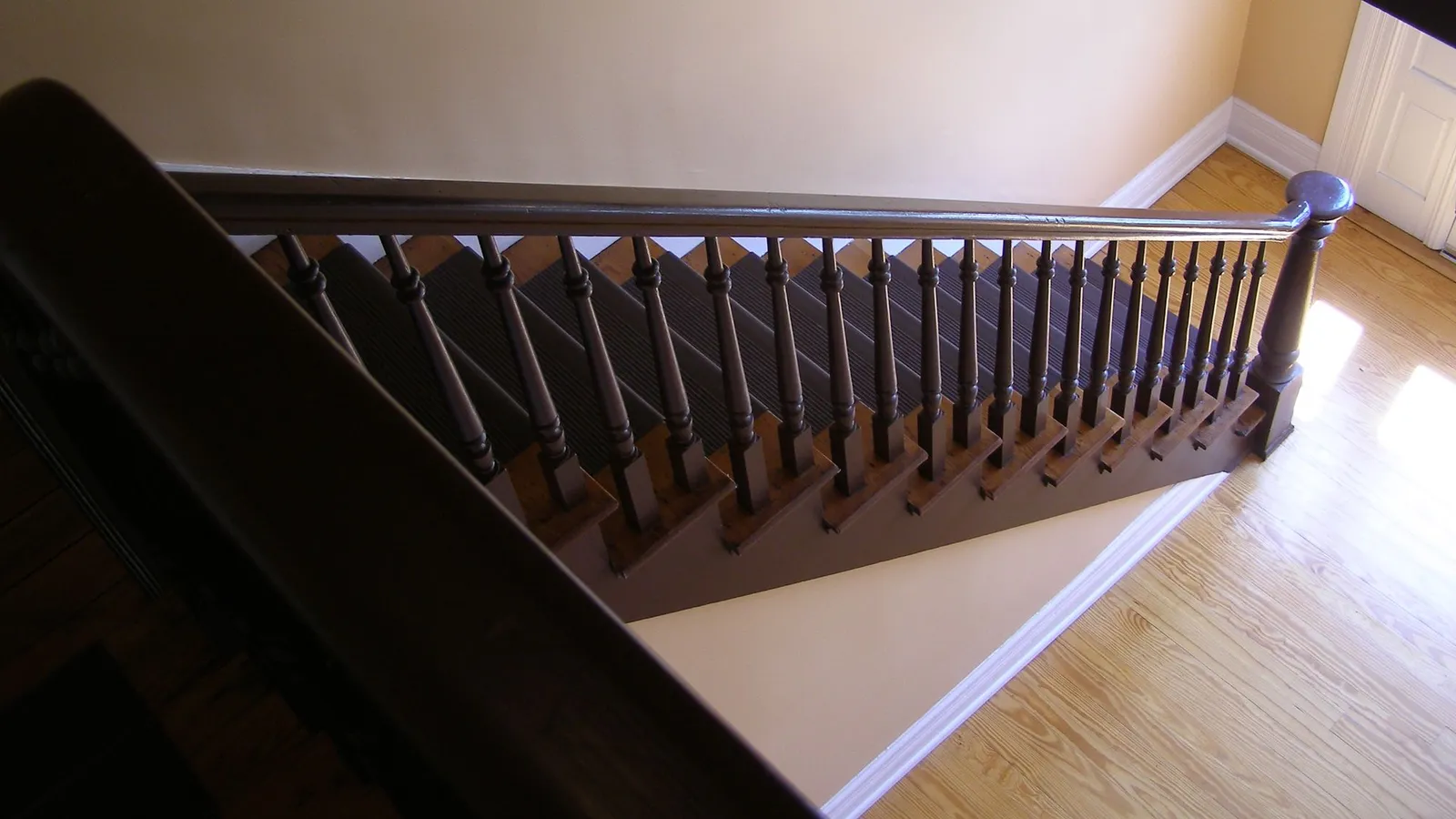
If you rent from a council or a housing association in England, the deadlines your landlord has to meet are about to cover a lot more than damp and mould. From 30 November 2026 the second phase of Awaab's Law brings in excess cold, excess heat, falls, structural collapse, fire and explosions, electrical hazards and domestic hygiene, which takes in pests, drainage and kitchen facilities. A cold home with a broken boiler, a loose stair rail or a rat problem can now come under the same legal clock as a mouldy bedroom, where it poses a significant risk of harm.
This guide sets out what the new rules cover, what they leave out, and how to make a report that starts the clock. The government has said its own guidance for tenants on Phase 2 "will be published in due course"; until it appears, what follows is taken from the regulations and the government's guidance for landlords.
Where things stand
Awaab's Law is named after two-year-old Awaab Ishak, who died in 2020 after living with dangerous damp and mould. His family rented their home from Rochdale Boroughwide Housing. The first phase came into force on 27 October 2025. It covers every emergency hazard and any damp and mould that poses a significant risk of harm. Our guide to the first phase explains those rules in detail.
The second phase is made by the Hazards in Social Housing (Prescribed Requirements) (England) (Amendment) Regulations 2026. Parliament approved the draft regulations in October 2026, and they state that they come into force on 30 November 2026.
The hazards added on 30 November 2026
The government's Phase 2 guidance for social landlords lists the new types of significant hazard as:
- excess cold
- excess heat
- falls, including falls on the level, falls on stairs and falls between levels
- structural collapse
- fire and explosions
- electrical hazards
- domestic hygiene, including personal hygiene and food safety
Domestic hygiene is wider than it sounds. In the Housing Health and Safety Rating System it covers exposure to pests, inadequate facilities for storing, preparing and cooking food, a home that cannot readily be kept clean, poor provision for storing and disposing of household waste, and inadequate washing facilities, sanitation and drainage.
Seven categories, nine paragraphs
You may see Phase 2 described with different numbers. The government's announcement speaks of seven hazard categories. The amending regulations do not use a number at all. They extend the definition of a relevant hazard to any matter referred to in paragraphs 2, 3, 14A, 18A, 21, 22, 23, 23A and 29 of Schedule 1 to the Housing Health and Safety Rating System (England) Regulations 2005. That is nine paragraphs, because falls are split across three of them: falls on the level, falling on stairs and falling between levels. The hazards covered are the same whichever way they are counted.
The deadlines
The time limits do not change. What changes is the list of problems they apply to. Once your landlord becomes aware of a potential significant hazard, it must:
- investigate within 10 working days
- give you a written summary of what it found within 3 working days of the investigation ending, unless all the work is finished within that time
- carry out the work needed to make the home safe within 5 working days of the investigation ending
- start, or take steps to start, the work that stops the problem coming back within the same 5 working days, and if that cannot happen, begin it as soon as reasonably practicable and within 12 weeks
- finish that longer work within a reasonable time
Emergencies run on a separate clock. If there is an emergency hazard, the investigation and the work to make the home safe must both be completed within 24 hours of the landlord becoming aware of it. That was already true for every kind of emergency except overcrowding under the first phase, so the change on 30 November 2026 is about the serious problems that are not emergencies.
If your landlord cannot make the home safe in time, it must arrange suitable alternative accommodation for your household at its own expense until the work is done. You can turn that offer down, but the landlord then has to tell you in writing what you can do to reduce the risk while you stay.
What counts as significant
Not every fault triggers the deadlines. The amending regulations change the test, so that a significant risk of harm means "a risk of harm to the occupier's health or safety that a reasonable lessor with the relevant knowledge would make safe within 15 working days". An emergency is one a reasonable landlord would make safe within 24 hours.
The relevant knowledge is what your landlord knows, or reasonably ought to know, about the people living in the home. That is why the report matters. The guidance tells landlords that a tenant does not need to provide medical evidence of a health condition, and that they "should generally take any reports of vulnerabilities at face value". It also says a problem does not have to reach category 1 under the Housing Health and Safety Rating System to be in scope.
The guidance gives examples of the temporary measures a reasonable landlord would use to make a home safe while the full repair is arranged, including "providing temporary heaters while fixing a boiler" and restricting access to an unsafe area while a falls or structural problem is dealt with. Among its examples of possible emergencies are broken boilers, exposed wiring, broken external doors or windows that leave a home insecure, and broken balcony railings.
What the new rules do not cover
- Fire safety in shared parts of a block. Problems in communal areas that already fall under the Regulatory Reform (Fire Safety) Order 2005, such as damaged fire doors or a blocked escape route, are excluded. Report those to the building's responsible person and, if nothing happens, to your local fire and rescue service. Fire hazards inside your own flat are covered, and the guidance gives broken or missing smoke alarms as an example.
- Cladding work. Your landlord still has to investigate and make your home safe in other ways, but replacing unsafe cladding is dealt with under other fire safety law.
- Damage caused by a breach of your tenancy, such as deliberate damage or blocking a ventilation fan. The guidance is clear that cooking, bathing, washing and drying laundry are everyday tasks, and that a landlord which blames a hazard on a tenant's lifestyle risks breaching Awaab's Law.
- Problems that do not come from a defect the landlord is responsible for, such as a communal heating system controlled by someone else, or hoarding.
- Overcrowding, which is outside Awaab's Law altogether.
- Homes that are not let on a tenancy, such as accommodation occupied under a licence, and shared ownership or long leasehold homes.
Reporting a problem so the clock starts
The deadlines start the day after your landlord becomes aware of the problem, so put the report in writing and keep a copy. Describe what is wrong, where it is, and how long it has been happening. Photographs and video help: the landlord can investigate remotely if the evidence is good enough.
Say who lives with you and anything about their age, health or disability that makes the problem more dangerous for them. The same fault can be more serious in one household than another. The guidance's own example is a broken downstairs window: in a house facing a busy road where a child lives, it could need a faster response than a similar problem in a block of flats occupied by two adults.
If the landlord investigates remotely and you think that was not enough, you can ask for an inspection in person. The landlord must then carry out a new investigation within 10 working days of your request. The landlord can enter your home to comply with Awaab's Law at reasonable times with at least 24 hours' notice in writing, so agree a visit when you can.
If you reported a problem before 30 November 2026 that is one of the new hazards, report it again in writing on or after that date. The regulations apply the new deadlines to hazards the landlord becomes aware of from that date, and the guidance says a fresh report of a problem the landlord already knew about starts the requirements from the point of the report.
If the deadlines are missed
Start with your landlord's formal complaints procedure. If that does not resolve it, or the landlord does not respond, you can take the complaint to the Housing Ombudsman, which investigates complaints about social landlords and can look at whether the time limits were met. When this guide was written, the Ombudsman's website said an IT security incident had affected its case management system, and asked anyone raising a new complaint to email or phone it instead, so check its site for the latest position.
Awaab's Law is written into every social tenancy as an implied term, so missing the deadlines is a breach of contract that you can take to court, usually after following the pre-action protocol for housing conditions claims. A court can order the landlord to do the repairs, pay you compensation and pay some or all of your legal costs. Awaab's Law does not provide for fines. A landlord has a defence if it can prove it used all reasonable endeavours to comply, which is one more reason to keep a dated record of every report, appointment and missed visit.
What comes next
The government says a third and final phase will follow in 2027, extending the same deadlines to all remaining hazards in the Housing Health and Safety Rating System except overcrowding. Private renters are not covered by any phase yet: the government is consulting on extending Awaab's Law to private tenancies until 18 December 2026, as we reported in October.
The full list of official documents, including the Phase 1 guidance for tenants, is in the government's Awaab's Law collection.
This guide describes the law and guidance in England as it stood on 10 November 2026. It is general information, not legal advice.