How to take a damp and mould complaint to the Housing Ombudsman
If your council or housing association in England has not dealt with damp and mould after you complained, the Housing Ombudsman can investigate. How the landlord's complaint stages work, when you can go to the Ombudsman and what it can order.
In brief
If you rent from a council or housing association in England and damp and mould has not been put right, make a formal complaint to your landlord in writing first. It must answer at stage 1 and then at stage 2, its final response. You then have 12 months from that stage 2 response to ask the Housing Ombudsman to investigate. It can order works, an apology and compensation.
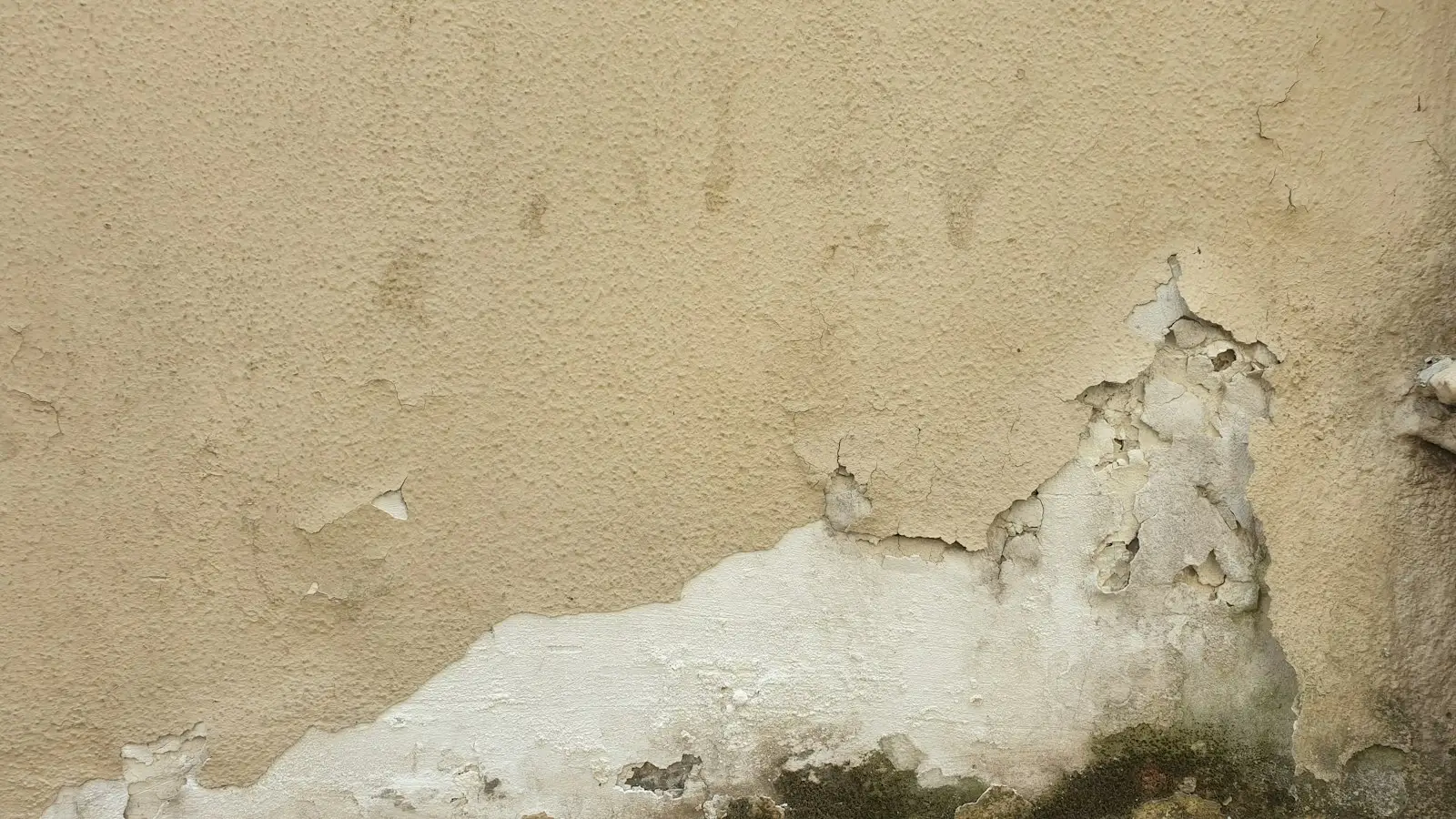
This guide is for people in England who rent from a council or housing association, or own a shared ownership or leasehold home through one, and whose damp and mould has not been put right. It explains the complaint you must make to your landlord first, when the Housing Ombudsman can step in, and what it can order. The Ombudsman says its service is free for residents.
Before you start: the Ombudsman's IT problem
When this guide was written, the Housing Ombudsman's resident pages carried a notice about a "third-party IT security incident that has impacted our case management system". Its statement of 3 November 2026 says the incident "has been contained".
In the meantime the Ombudsman asks anyone raising a new complaint about their landlord to email [email protected] or phone 0300 111 3000. The same statement advises people to "remain vigilant for any unexpected emails, text messages, telephone calls or correspondence requesting personal information or asking you to take urgent action." Check its website for the latest position.
A report is not a complaint
The Ombudsman separates telling your landlord about a problem from complaining about how it dealt with it. Its damp and mould support guide says: "Reporting damp and mould is a service request. This is different from making a complaint about your landlord."
You complain when you are unhappy with how the landlord handled your report, for example how long it took. To do that, the guide says, "you must use the landlord's formal complaint procedure."
If you have only reported the damp so far, the same guide asks you to say which rooms are affected and whether the mould is spreading, whether the problem is new or one you have reported before, and whether you think the building or any outstanding repairs may be causing it. It also says to seek advice from your GP if you are feeling unwell.
Social landlords also have legal deadlines for serious damp and mould under Awaab's Law. The Ombudsman's Awaab's Law and hazards support guide says the law "applies to hazards reported to your landlord on or after 27 October 2025." Our guide to Awaab's Law explains those deadlines. A formal complaint is how you challenge a landlord that has missed them.
Step one: complain to your landlord in writing
Your landlord's complaints procedure should be on its website, or ask for a copy. The Ombudsman's page on how to complain to your landlord suggests complaining in writing, by email, post or the landlord's online resident portal, so that you keep a copy. Tell the landlord:
- when you first reported the problem
- what the landlord has done since
- what you think it should have done
- what effect it has had on you and your household
If you complain by phone, note the name of the person you speak to and the time and date of the call, and ask for a reference number.
The rules your landlord has to follow are in the Ombudsman's Complaint Handling Code. The Ombudsman says that since April 2024 the Code has been statutory, which "means landlords must comply with its requirements by law." Landlords must have a complaints procedure with two stages.
Stage 1
At stage 1 your landlord must acknowledge the complaint within 5 working days of receiving it, and reply in writing within 10 working days of acknowledging it. If it cannot meet those times, it must tell you as soon as possible when it will respond, and that can be no more than 10 further working days. The reply must give its decision and the reasons for it, any remedy it is offering, what it will do, and how to take the complaint further if you are still unhappy.
Stage 2
If the stage 1 reply does not resolve things, ask the landlord to escalate your complaint to stage 2. Explain why you are unhappy with the stage 1 response, anything the landlord missed, why any remedy it offered is not enough, and what you want it to do to put things right. The Ombudsman publishes an escalation request template on its page about complaining to your landlord.
At stage 2 the landlord must acknowledge your request within 5 working days of receiving it and reply in writing within 20 working days of acknowledging it. The Ombudsman describes the stage 2 response as "your landlord's full and final response to your complaint." It must confirm that it is the final response and explain how to bring the complaint to the Housing Ombudsman, with contact details.
If your landlord does not reply
The Ombudsman's page on when to get help from the Housing Ombudsman says that if a landlord does not follow the Code's timescales, "we can help you get a response." Send the Ombudsman a copy of the complaint you made to your landlord. If the landlord still does not answer after the Ombudsman has asked it to, the page says: "we will issue a Complaint Handling Failure Notice and ask you if you would like to progress your case for investigation."
When you can take the complaint to the Ombudsman
You can bring the complaint once you have been through your landlord's complaint process and the problem is still not resolved. The Ombudsman says: "We need your landlord's stage 2 response before we can help."
Two time limits matter:
- 12 months from the stage 2 response. The Ombudsman says: "You have 12 months from your landlord's stage 2 response to refer your complaint to us." It is unlikely to investigate a complaint referred after that unless you have good reasons for the delay.
- Raising the complaint with your landlord in good time. The Housing Ombudsman Scheme, which sets out what the Ombudsman can look at, says it may not consider complaints that were not brought to the landlord as a formal complaint "within a reasonable period which would normally be within 12 months of when the complainant ought to have become aware of the matter". If damp and mould has gone on for a long time, make the formal complaint now.
Who can complain
The Ombudsman's page on who can use the service lists tenants with a secure, assured or assured shorthold tenancy, people with a licence or other arrangement to occupy a home, and leaseholders and shared owners, where the landlord is a member of its Scheme. Its page on which ombudsman to use says it investigates complaints about social housing providers including councils and housing associations. You can still complain after moving out, as long as you were the landlord's tenant when the problem arose, and someone with your signed authority can complain for you. A lodger, or a family member who is not named on the tenancy agreement, cannot use the service.
The Housing Ombudsman deals with social housing in England. For Scotland, Wales and Northern Ireland its page points to the Scottish Public Services Ombudsman, the Public Services Ombudsman for Wales and the Northern Ireland Public Services Ombudsman.
Council tenants and temporary accommodation
Complaints about a council as your landlord, including repairs, go to the Housing Ombudsman. Some council housing matters go to the Local Government and Social Care Ombudsman instead. The Ombudsman's page on which ombudsman to use lists homelessness applications and "the condition or suitability of temporary accommodation" among them, so by that page's account a complaint about damp and mould in temporary accommodation provided under the homelessness rules is one for that ombudsman. It says your landlord should tell you in its stage 2 response which ombudsman you can go to.
How to bring the complaint
The Ombudsman normally takes complaints through the online complaint form on its page about bringing a complaint. The form asks for:
- your landlord
- your tenure type, for example assured tenant or shared owner
- details of the complaint you made to your landlord
- a copy of that complaint
- copies of any complaint responses
- information about you
Say what went wrong and what you think your landlord should do to put it right. Keep every complaint you send and every reply you receive, because the Ombudsman says it will ask to see your landlord's responses at each stage. While the IT incident continues, use the email address or phone number above for a new complaint.
What happens after you complain
The Ombudsman's investigation process runs through enquiry, assessment, investigation and review.
- Enquiry. It checks that your landlord is a member of the Scheme and that it has the stage 2 response, and it can tell a landlord to respond if it has missed its deadline.
- Assessment. It assesses "the risk the complaint issue could have on a household", asks what outcome you want, and tells you whether it can consider the complaint. It may refer the complaint back to the landlord to try to resolve it.
- Investigation. It looks at whether the landlord acted fairly and reasonably, including whether it followed its legal obligations and its own policies and whether it took too long. The Scheme says complaints are decided by "what is, in the Ombudsman's opinion, fair in all the circumstances of the case."
- Review. If you have new facts or evidence, or you are challenging the facts it relied on, you can ask for a review. You must ask within 3 weeks of the decision. A review will not happen simply because you disagree.
The Ombudsman says it is "working towards completing all investigations within 12 months from the date we accept a case, with high-risk cases within 4 months." That is a target, not a promise, and it says landlords should keep working with residents to resolve the dispute while a case waits for a decision.
What the Ombudsman can order
At the end of an investigation the Ombudsman makes a finding, which can be service failure, maladministration or severe maladministration among others, and sends its report to you and your landlord. It also publishes its decisions. Where it decides your landlord got things wrong, the hazards support guide says it can order the landlord to:
- apologise
- pay compensation
- inspect your home
- undertake works
- offer suitable temporary alternative accommodation
- help with an insurance claim
- consider reviewing its policy and practices
An order is different from a recommendation. The Ombudsman's guidance on remedies says: "While orders are enforceable by the Ombudsman and we will ensure that landlords implement the orders we make, recommendations are not enforceable". Where the cause of long-term damp is in dispute and the Ombudsman cannot say what it is, the guidance says it may order the landlord to arrange a further inspection or specialist advice within a set time, and then set out the works needed.
On compensation, the guidance says the Ombudsman does not set minimum or maximum amounts. As a starting point it may look at the rent paid over the period of the complaint and, depending on the level of service failure and the effect on your use of your home, consider compensation equal to a full or partial rent refund for that period. A note on the guidance says some of its references may not match the Scheme as updated.
What it cannot do
The Ombudsman is not a court. Its hazards support guide says it is unable to:
- investigate a complaint referred to it before the landlord's complaint procedure
- investigate complaints that are better dealt with by the court, like personal injury claims
- decide if there is a category 1 or 2 hazard present
- order your landlord to offer you a permanent move outside its policies and procedures
The remedies guidance adds that it does not make binding decisions on negligence or liability and does not order compensation in the way a court orders damages. The Scheme says it cannot consider matters that are, or were, the subject of court proceedings where judgement on the merits was given, and it may decline matters you had the opportunity to raise in legal proceedings.
Other routes
If you rent from a housing association, you can also report hazards such as damp and mould to your local council, which has enforcement powers. The Ombudsman points out that councils cannot use those powers against themselves, so this route is not open to council tenants. If you are worried that a council will not take enforcement action against your housing association, the hazards support guide says you may be able to complain to the Local Government and Social Care Ombudsman.
For the Ombudsman's latest figures on damp and mould complaints, see our report on its annual complaints review. More guides for renters are in our tenants and landlords section.
This guide describes the law and guidance in England as it stood on 11 November 2026. It is general information, not legal advice.