
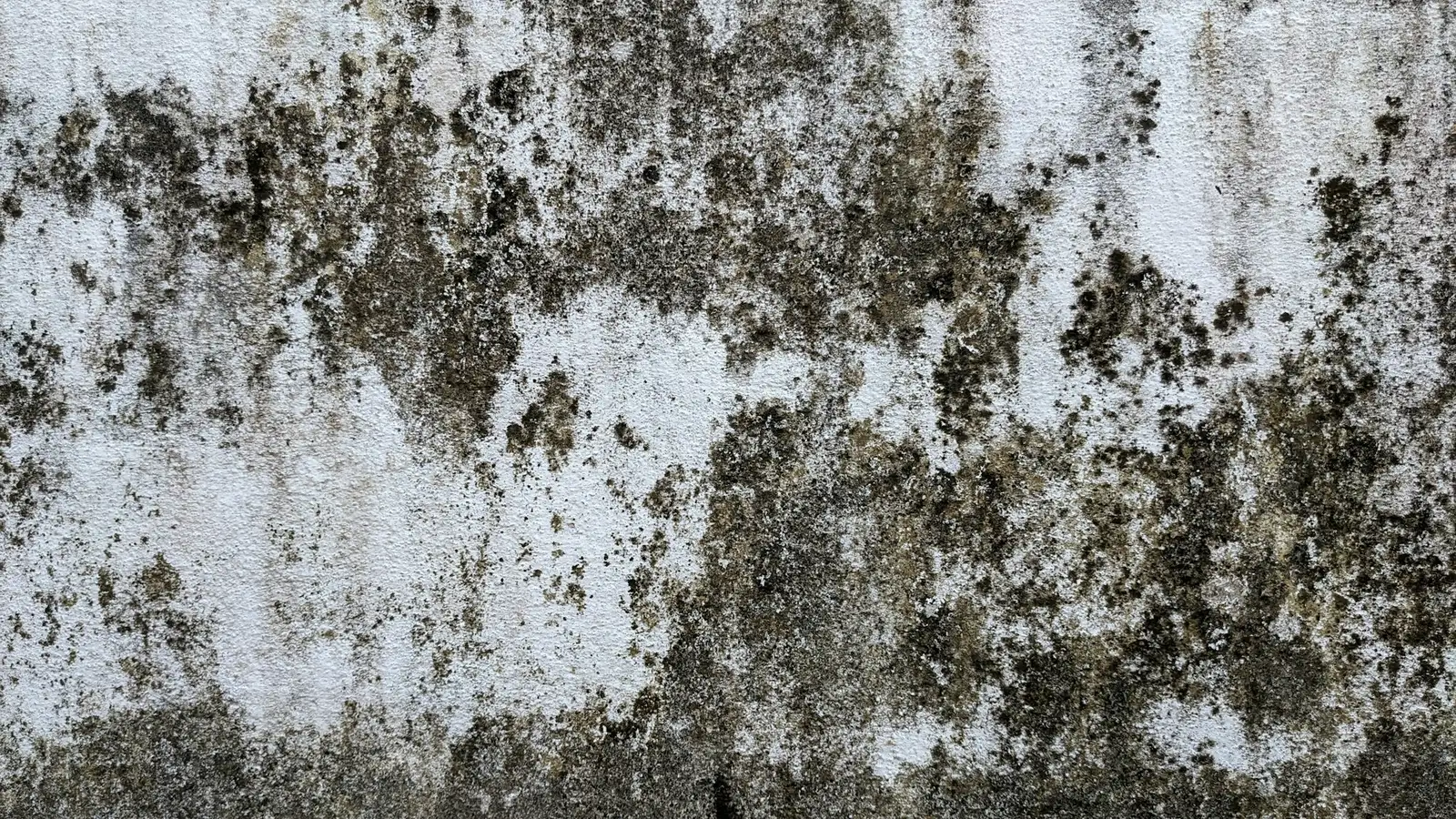
Regulator finds serious failings at Bury Council, including damp and mould repairs
The Regulator of Social Housing has given Bury Metropolitan Borough Council a C3 grade, citing weaknesses in meeting legal timescales for hazards like damp and mould.
If you rent and your home has damp or mould, your landlord has legal duties to deal with it. In England, council and housing association landlords now work to fixed deadlines under Awaab's Law, and Scotland has its own version covering private landlords too. These guides explain which rules apply to you, how to report a problem so the clock starts, and where to go if nothing happens.
Since 27 October 2025 social landlords in England have had legal deadlines for damp and mould. Here is what has to happen, how fast, and what you can do if it does not.
From 30 November 2026 councils and housing associations in England must deal with seven more kinds of hazard to fixed deadlines, from excess cold and electrical faults to falls and pests. Here is what is covered and how to use it.
Awaab's Law does not yet cover private renters in England, but your landlord already has to keep your home fit to live in and your council can step in. Here is what you can do this winter, and what the government is consulting on.
Since 6 October 2026 councils, housing associations and private landlords in Scotland have 10 working days to investigate damp or mould, 3 to tell you what they found and 5 to start the repair. Here is how to use those rights.
The Regulator of Social Housing has given Bury Metropolitan Borough Council a C3 grade, citing weaknesses in meeting legal timescales for hazards like damp and mould.
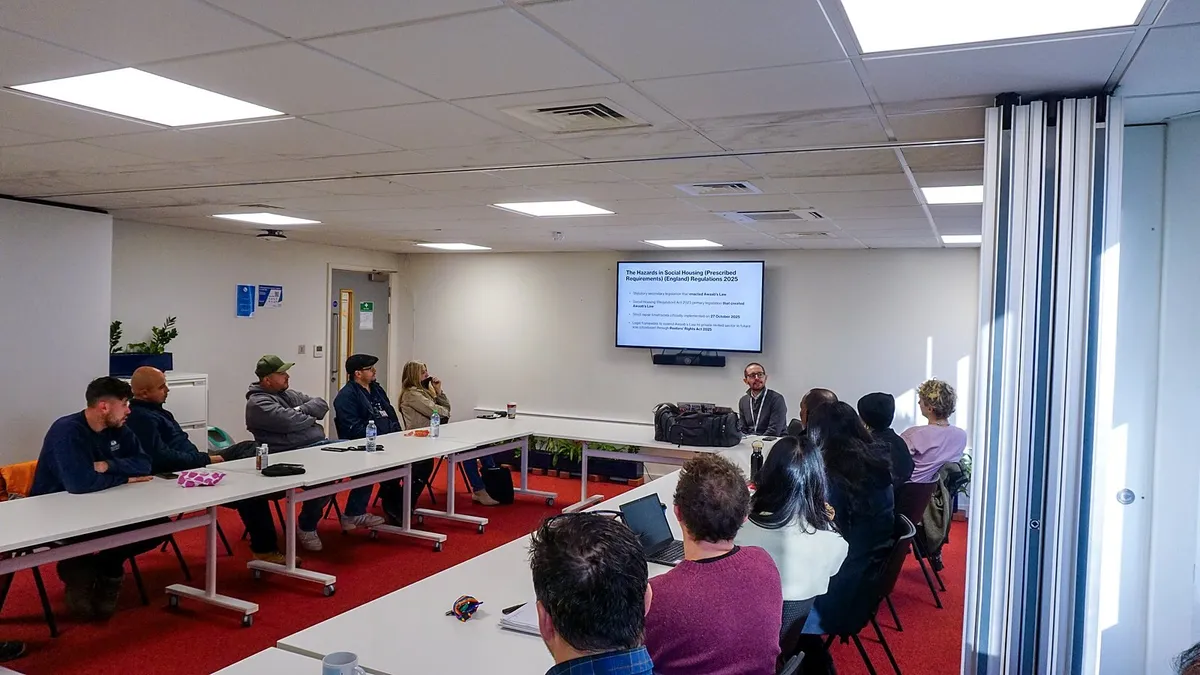
The Royal Borough of Kensington and Chelsea has put 451 frontline and 214 back-office housing staff through training before Phase 2 begins, according to the UK Academy of Mould Experts.
The Regulator of Social Housing says its inspection of the north London council found very serious failings, with overdue damp and mould cases and only around half of non-emergency repairs completed on time.
The Ministry of Housing says more than 5 million more households in England could gain legal repair deadlines for severe damp and mould if the law is widened beyond social housing.
From 30 November 2026 councils and housing associations in England must deal with seven more kinds of hazard to fixed deadlines, from excess cold and electrical faults to falls and pests. Here is what is covered and how to use it.
Since 27 October 2025 social landlords in England have had legal deadlines for damp and mould. Here is what has to happen, how fast, and what you can do if it does not.
Since 6 October 2026 councils, housing associations and private landlords in Scotland have 10 working days to investigate damp or mould, 3 to tell you what they found and 5 to start the repair. Here is how to use those rights.
Awaab's Law does not yet cover private renters in England, but your landlord already has to keep your home fit to live in and your council can step in. Here is what you can do this winter, and what the government is consulting on.
Mould remediation is not a licensed trade in the UK. What government guidance says about choosing a competent contractor, what training usually covers, and the questions to ask before work starts.
A repair report and a formal complaint are different things. How council and housing association tenants in England make a complaint about damp and mould, the working day deadlines for each stage, and what to do when a landlord refuses or goes quiet.
If your council or housing association in England has not dealt with damp and mould after you complained, the Housing Ombudsman can investigate. How the landlord's complaint stages work, when you can go to the Ombudsman and what it can order.