Home Test for Mould Spores: A UK Guide to Detection
Discover effective home test methods for mould spores in the UK. Learn how to identify mould, understand health risks, and when to call professionals for remediation.
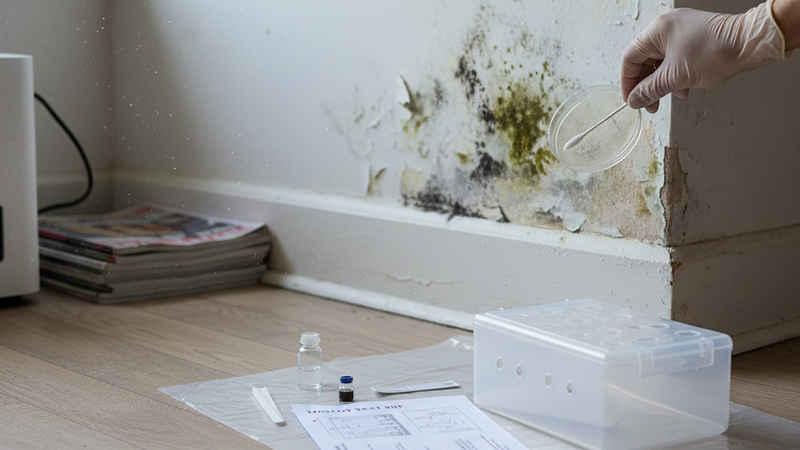
Concerned about the presence of mould in your home? Understanding how to conduct a home test for mould spores can be a crucial first step in protecting your property and health. While professional assessment is always recommended for comprehensive analysis, these preliminary checks can help you identify potential issues and decide on the next course of action.
Understanding Mould and Its Presence
What is Mould and Where Does It Grow?
Mould is a type of fungus that thrives in damp, humid, and poorly ventilated environments. It reproduces by releasing microscopic spores into the air, which can then settle on surfaces and begin to grow under the right conditions. Common areas for mould growth in UK homes include bathrooms, kitchens, basements, utility rooms, and behind furniture or wallpaper, especially in properties with condensation issues, leaks, or rising damp.
Identifying mould often involves visual inspection for discoloured patches (black, green, white, or orange) and a musty, earthy smell. However, not all mould is visible, and spores can still be present in the air even without obvious growth.
Types of Home Mould Tests Available
Several types of home mould test kits are marketed to consumers, though their reliability and effectiveness vary. These typically fall into a few categories:
- Petri Dish/Settling Plate Tests: These involve exposing a Petri dish containing a growth medium to the air for a period (e.g., 1-2 hours) to capture airborne spores. The dish is then sealed and incubated to allow any captured mould spores to grow into visible colonies.
- Swab/Tape Lift Tests: For visible mould, these kits provide a swab or adhesive tape to collect a sample directly from the affected surface. The sample is then sent to a lab for microscopic analysis.
- Air Sample Pump Kits: More sophisticated kits might include a pump to draw a measured volume of air through a collection filter. These are closer to professional methods but still require careful execution and laboratory analysis.
Limitations of DIY Mould Tests
While home test kits can indicate the presence of mould spores, they have significant limitations. They often don't provide information about the specific type of mould, its concentration, or whether it's viable (active and growing). Air samples are a snapshot in time and can be heavily influenced by air currents, temperature, and humidity during the sampling period. A professional mould assessment involves not just identifying mould but also locating its source, determining the extent of the contamination, and assessing structural damage.
Important point
DIY mould tests are a preliminary step. They should not replace professional inspection, especially if you suspect significant mould growth or are experiencing health symptoms.
Health and Safety Concerns Related to Mould
Impact on Human Health (NHS Guidance)
Mould produces allergens, irritants, and sometimes toxic substances (mycotoxins). Inhalation or contact with mould spores can lead to a range of health problems, particularly for vulnerable individuals. The NHS advises that mould exposure can cause respiratory problems, allergic reactions, asthma attacks, skin rashes, and eye irritation. People with existing respiratory conditions, allergies, compromised immune systems, babies, and the elderly are particularly at risk.
Risk Assessment and the Housing Health and Safety Rating System (HHSRS)
In the UK, local authorities use the Housing Health and Safety Rating System (HHSRS) to assess hazards in residential properties. Damp and mould growth is a Category 1 hazard under HHSRS if it poses a serious threat to health. Landlords have a legal responsibility to ensure properties are free from such hazards. Tenants can report serious mould issues to their local council for inspection.
Understanding your rights as a tenant regarding mould can be vital. You can find more information about landlord responsibilities and tenant rights, especially concerning conditions like mould, in relation to Awaab's Law, which has applied to social landlords in England since 27 October 2025 and further strengthens protection against hazards like damp and mould.
When to Seek Medical Advice
If you or members of your household are experiencing persistent health issues that you suspect are linked to mould exposure, it's crucial to consult a GP. Symptoms such as ongoing coughs, sneezing, itchy eyes, skin rashes, or worsening asthma should be discussed with a medical professional. Inform your doctor about the suspected mould presence in your home.
UK Regulations and Industry Standards for Mould
IICRC S520: The Professional Standard
For professional mould remediation, the industry standard in the UK and internationally is the Institute of Inspection, Cleaning and Restoration Certification (IICRC) S520 Standard and Reference Guide for Professional Mould Remediation. This comprehensive document outlines the principles, methods, and practices for effective and safe mould remediation. It covers everything from initial assessment and containment to removal, cleaning, and post-remediation verification.
- Assessment: Identifying the source, type, and extent of mould.
- Containment: Preventing cross-contamination to unaffected areas.
- Removal: Safely removing mould-affected materials.
- Cleaning: Thorough cleaning of all surfaces.
- Drying: Ensuring all affected areas are completely dry to prevent recurrence.
- Verification: Post-remediation testing to confirm mould has been effectively removed.
Health and Safety Executive (HSE) Guidelines
The Health and Safety Executive (HSE) provides guidance on mould, particularly in workplace settings, but its principles apply to residential properties where mould remediation is undertaken. HSE emphasises the importance of risk assessment, appropriate personal protective equipment (PPE), and safe working practices to protect workers and occupants from mould exposure during remediation. They also highlight the need for proper waste disposal of mould-contaminated materials.
Legal Obligations for Landlords and Property Owners
Under the Defective Premises Act 1972 and the Landlord and Tenant Act 1985 (as amended), landlords have a duty to keep their properties in a safe condition, which includes addressing damp and mould. As mentioned, the HHSRS also empowers local councils to enforce necessary repairs. Property owners, whether landlords or owner-occupiers, have a responsibility to maintain their homes to prevent conditions conducive to mould growth, such as ensuring adequate ventilation and promptly addressing leaks.
When to Call Professionals for Mould Remediation
Signs Indicating Professional Intervention
While small areas of surface mould (less than a square metre) can sometimes be tackled with appropriate safety measures by homeowners, professional intervention is essential in several scenarios:
- Large Mould Growth: If mould covers an area larger than 1 square metre (roughly 3ft 3in by 3ft 3in, or just under 11 square feet).
- Hidden Mould: If you suspect mould behind walls, under flooring, or in HVAC systems due to persistent musty odours or health symptoms, but cannot see it.
- Health Concerns: If anyone in the household is experiencing severe or persistent health issues potentially linked to mould.
- Following Water Damage: After significant water ingress (e.g., floods, burst pipes), mould can quickly proliferate and requires expert handling.
- Recurrent Mould: If mould repeatedly returns despite cleaning efforts, indicating an unaddressed underlying moisture problem.
The Professional Remediation Process
A professional mould remediation company follows a structured process in line with IICRC S520. This typically includes:
- Assessment and Source Identification: A thorough inspection to find the mould source and extent.
- Containment: Setting up physical barriers and negative air pressure to prevent spores from spreading.
- Air Filtration: Using HEPA air scrubbers to remove airborne mould spores.
- Mould Removal: Safely removing and disposing of mould-contaminated materials. This often involves physical removal, not just surface cleaning.
- Cleaning and Sanitisation: Cleaning remaining surfaces with antimicrobial agents.
- Drying: Thorough structural drying to prevent future mould growth.
- Restoration: Repairing or replacing damaged materials.
- Post-Remediation Verification: Often involves air and surface sampling by an independent third party to confirm successful removal.
Choosing a Qualified Mould Remediation Specialist
When selecting a professional, ensure they are certified by organisations like IICRC and have experience in comprehensive mould remediation, not just cosmetic cleaning. Ask for references, proof of insurance, and a detailed scope of work. A reputable company will provide transparent pricing and explain the entire process. For an idea of potential costs, you might want to check our mould removal cost calculator.
Top Tip
Always address the underlying moisture issue first. Removing mould without fixing the source will only lead to its recurrence.
Prevention and Maintenance Strategies
Controlling Humidity and Ventilation
The most effective way to prevent mould is to control moisture and humidity in your home. Aim for indoor humidity levels between 30-50%. Practical steps include:
- Ventilate Regularly: Open windows for 5-10 minutes daily, especially after showering, cooking, or drying clothes indoors.
- Use Extractor Fans: Always use extractor fans in bathrooms and kitchens.
- Dehumidifiers: Consider using a dehumidifier in damp areas like basements or utility rooms.
- Ensure Airflow: Don't block vents and leave a gap between furniture and cold external walls.
Promptly Addressing Leaks and Water Damage
Water leaks, whether from plumbing, roofs, or foundations, are prime culprits for mould growth. Inspect your home regularly for signs of leaks, damp patches, or water stains. If you discover a leak, repair it immediately and thoroughly dry the affected area within 24-48 hours. This swift action can significantly reduce the risk of mould proliferation. For guidance on identifying leaks, consider checking relevant articles on our blog.
Routine Cleaning and Monitoring
Regular cleaning helps prevent mould from taking hold. Pay attention to areas prone to dampness. Wipe down condensation from windowsills, bathroom tiles, and walls. Keep gutters clear and ensure good drainage around your property's foundation. Periodically inspect less obvious areas, such as behind appliances or under sinks, for signs of dampness or musty odours. Being proactive is key to maintaining a mould-free home.
For further reading on mould and its impact, reputable sources like GOV.UK publications and academic research from UK universities can provide valuable insights into housing conditions and public health.