UK Mould Treatment Cost: How Much to Treat Mould in House?
Wondering how much it costs to treat mould in your UK home? This guide breaks down the factors influencing remediation costs, from minor spots to major infestations, and when to call professionals.
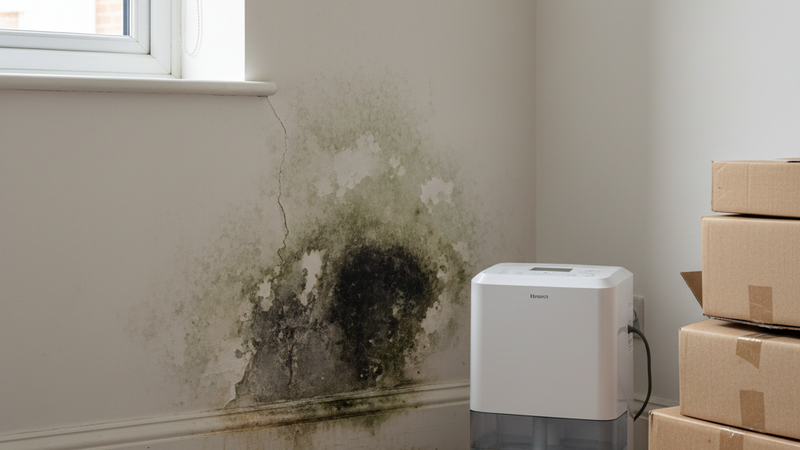
Discovering mould in your home can be a concerning issue, not only for the structural integrity of your property but also for the health of its occupants. A common question homeowners in the UK ask is: "How much does it cost to treat mould in a house?" The answer isn't always straightforward, as the price can vary significantly depending on the scale of the problem, the type of mould, and the remediation methods required.
Understanding the Cost Factors of Mould Treatment in the UK
The cost of mould treatment in the UK is influenced by several key factors. Unlike a simple repair, mould remediation involves assessment, containment, removal, and often preventative measures, all of which contribute to the overall expense. Understanding these variables can help you anticipate potential costs and make informed decisions.
Extent and Location of Mould Growth
One of the primary determinants of cost is the size and location of the mould infestation. Small patches of surface mould, perhaps in a bathroom corner, are significantly cheaper to treat than extensive growth behind walls, under floorboards, or in attics. These hidden areas require more invasive procedures, such as cutting into plasterboard or lifting flooring, which increases labour and material costs.
- Minor Mould (e.g., small bathroom patch): Often under £20 for DIY products, or around £100 to £300 for a basic professional clean.
- Medium Mould (e.g., one wall, under a window): Can range from £500 - £2,000 for professional remediation.
- Major Mould (e.g., multiple rooms, hidden structural mould): Costs can easily exceed £2,000, potentially reaching £10,000+ for severe cases requiring extensive demolition and reconstruction.
Type of Mould and Material Affected
While most mould can be treated, some types, like black mould (Stachybotrys chartarum), are often more stubborn and may require more intensive remediation due to their potential health impacts and tenacious nature. Furthermore, the material mould grows on affects treatment. Porous materials like plasterboard, insulation, carpets, and wood often need to be removed and replaced, whereas non-porous surfaces like tiles or glass can be cleaned.
Underlying Cause and Repairs
Effective mould treatment isn't just about removing visible growth; it's crucial to address the source of moisture. This could be a leaky pipe, a damaged roof, condensation issues, or poor ventilation. The cost of repairing the underlying cause – be it plumbing work, roof repairs, or installing new ventilation systems – will be an additional expense on top of the mould remediation itself. Failing to fix the moisture source will almost guarantee the mould returns.
Health & Safety Concerns and UK Regulations
Mould is not just an aesthetic problem; it poses significant health risks. Understanding these dangers and the regulations governing mould in the UK is crucial for homeowners and landlords.
Impact of Mould on Health
Exposure to mould can lead to a range of health issues, particularly for vulnerable individuals such as children, the elderly, and those with respiratory conditions or compromised immune systems. Symptoms can include:
- Respiratory problems (e.g., asthma attacks, wheezing, shortness of breath)
- Allergic reactions (e.g., sneezing, runny nose, red eyes, skin rash)
- Coughing and throat irritation
- Headaches and fatigue
Important point
The NHS provides comprehensive information on the health risks associated with damp and mould, urging prompt action to protect health.
UK Standards and Professional Guidelines
While there isn't one specific UK law solely for domestic mould, several regulations and guidelines indirectly cover it. Professional remediation companies in the UK often adhere to international standards, such as the IICRC S520 Standard for Professional Mould Remediation, which outlines best practices for safe and effective removal. For landlords, the Housing Health and Safety Rating System (HHSRS) requires them to assess and mitigate hazards, including damp and mould, to ensure properties are fit for habitation.
Worker Safety During Remediation
Any professional carrying out mould remediation must follow strict health and safety protocols to protect themselves and occupants. This includes using appropriate Personal Protective Equipment (PPE) like respirators, gloves, and eye protection, as well as containment measures to prevent mould spores from spreading. The Health and Safety Executive (HSE) offers guidance for employers and individuals on managing mould-related risks in the workplace, principles which are applied to professional remediation.
The Professional Mould Remediation Process
When dealing with significant mould, a professional approach is not just advisable, it's often essential. Expert companies follow a structured process to ensure thorough and safe removal.
Assessment and Inspection
The first step involves a comprehensive inspection to identify the type of mould, the extent of the growth, and critically, the underlying moisture source. This often includes using thermal imaging cameras, moisture meters, and air sampling to detect hidden mould and assess spore levels. A detailed report and a tailored remediation plan will then be provided, outlining the proposed actions and costs.
Containment and Air Filtration
To prevent cross-contamination, the affected area is sealed off using plastic sheeting and negative air pressure machines. These machines create a vacuum, drawing air out of the contained area through HEPA filters, capturing airborne mould spores and preventing their spread to unaffected parts of the home.
Mould Removal and Cleaning
This is the core of the process. Depending on the material, mould is either cleaned using specialist biocides and anti-microbial agents or, for severely contaminated porous materials, removed and safely disposed of. Surfaces are then thoroughly dried and treated to inhibit future growth. This might involve stripping wallpaper, removing plasterboard, or sanitising structural timbers.
Prevention and Long-Term Maintenance
Once mould has been treated, preventing its return is paramount. Long-term strategies are key to maintaining a healthy, mould-free home.
Controlling Humidity and Ventilation
Mould thrives in humid conditions. Maintaining indoor humidity levels between 30% and 50% is ideal. This can be achieved by:
- Using extractor fans in bathrooms and kitchens.
- Opening windows regularly, even for short periods.
- Using dehumidifiers in damp areas.
- Ensuring tumble dryers are vented to the outside.
Addressing Moisture Sources Promptly
Fixing leaks immediately – from dripping taps to roof damage – is crucial. Regularly check pipes, roofs, and window seals for any signs of water ingress. Ensure proper drainage around your home's foundation to prevent water from penetrating basements or crawl spaces.
Regular Cleaning and Monitoring
Routine cleaning with mould-inhibiting products, especially in high-risk areas like bathrooms, can help prevent new growth. Keep an eye out for any discolouration, musty smells, or visible signs of mould, addressing them at the earliest stage. Ensuring adequate airflow around furniture and behind curtains also helps prevent condensation.
When to Call Professional Mould Remediation Experts
While small patches of surface mould might be manageable with DIY solutions, there are clear instances when calling in professionals is the safest and most effective course of action.
Large Infestations or Hidden Mould
If the mould covers an area larger than one square metre (roughly 10 square feet), or if you suspect mould growth behind walls, under floors, or in difficult-to-access areas, professional help is essential. Hidden mould can spread extensively without visible signs, and disturbing it without proper containment can release millions of spores into your home.
Did you know?
New legislation like Awaab's Law places greater responsibility on landlords to address damp and mould issues promptly, highlighting the serious nature of the problem.
Health Concerns or Allergic Reactions
If anyone in your household is experiencing mould-related health symptoms, or if you are dealing with potentially toxic black mould, do not attempt DIY removal. Professional remediation minimises exposure risk and ensures the environment is safe for occupants. Professionals provide expert mould removal services across the UK, prioritising health and safety.
Recurrent Mould Issues
If mould repeatedly returns despite your best efforts, it indicates an unresolved underlying moisture problem that requires expert diagnosis and treatment. Professionals have the tools and expertise to identify elusive water sources and implement lasting solutions.
Understanding the potential costs and the factors that influence them is the first step toward effective mould management. While it can be an unexpected expense, investing in professional mould remediation is an investment in your property's value and, more importantly, your family's health. For a more detailed estimation, consider using our mould removal cost calculator or contacting a certified professional for a bespoke quote.