Mould in London: Expert Remediation & Prevention Guide
Combat mould in London properties effectively. Learn about health risks, UK regulations, professional remediation, and prevention strategies for a healthy home.
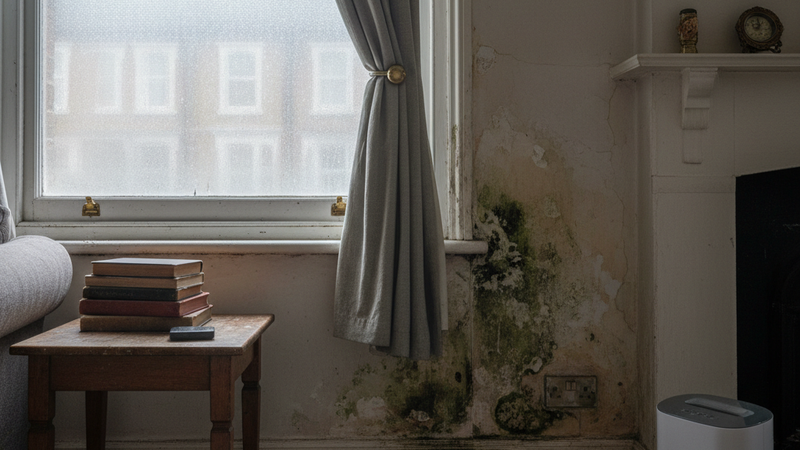
Mould in London is a surprisingly common issue, affecting countless properties across the capital due to its unique climate, building stock, and urban living conditions. This comprehensive guide provides essential information for London residents and property managers, covering everything from understanding mould growth and its health implications to professional remediation techniques and effective prevention strategies, all adhering to the highest UK standards.
Understanding Mould Growth in London Properties
Mould, a type of fungi, thrives on moisture and organic matter. In London, several factors contribute to its prevalence, making effective management crucial for property health and occupant well-being.
Common Causes of Mould in Urban Environments
London's dense urban environment and historic building stock present unique challenges. Many older properties can suffer from inadequate ventilation, leading to condensation build-up. Furthermore, structural issues like leaky roofs, rising damp, and plumbing failures are frequently underlying causes. Modern living, with increased insulation and sealed windows, can also inadvertently trap moisture indoors if not properly managed, creating ideal conditions for mould spores to flourish.
- Condensation: Poor ventilation, especially in kitchens and bathrooms, causes moisture-laden air to condense on cold surfaces.
- Rising Damp: Groundwater seeping up through porous brickwork, common in older London basements and ground floors.
- Penetrating Damp: Water ingress through external walls, roofs, or around window frames due to structural defects.
- Plumbing Leaks: Hidden leaks from pipes, showers, or washing machines often lead to extensive mould behind walls or under floors.
- Flood Damage: Any instance of flooding, even minor, creates significant moisture challenges if not dried thoroughly and promptly.
Identifying Different Types of Mould
While many types of mould exist, they generally appear as fuzzy or slimy patches in various colours, including black, green, white, or orange. Common species found in UK homes include Cladosporium, Penicillium, Aspergillus, and the infamous Stachybotrys chartarum (black mould). Identifying the exact species usually requires laboratory analysis, which is part of a professional assessment. Regardless of type, all mould should be treated with caution due to potential health risks.
Health and Safety Concerns of Mould Exposure
Exposure to mould, particularly in enclosed environments like homes, can have significant health implications, especially for vulnerable individuals. The UK's National Health Service (NHS) and Health and Safety Executive (HSE) both provide guidance on the dangers.
Recognising Symptoms of Mould-Related Illness
Mould produces allergens, irritants, and sometimes toxic substances. Exposure can lead to a range of symptoms, which vary based on an individual's sensitivity and the extent of exposure. Common symptoms are often respiratory and can mimic cold or flu symptoms.
- Respiratory Issues: Wheezing, coughing, shortness of breath, chest tightness, and exacerbation of asthma.
- Allergic Reactions: Sneezing, runny nose, red eyes, skin rash (dermatitis), and itchy skin.
- Other Symptoms: Headaches, fatigue, difficulty concentrating, and general malaise.
Important point
Children, the elderly, individuals with pre-existing respiratory conditions (like asthma or COPD), and those with weakened immune systems are particularly vulnerable to mould's health effects. The UKHSA guidance on damp and mould offers further details on health impacts.
Workplace and Tenancy Regulations Regarding Mould
In workplaces, employers have a duty of care under the Health and Safety at Work Act 1974 to protect employees from health risks, including those posed by mould. For residential tenants in London, the situation is becoming increasingly stringent. The Housing Health and Safety Rating System (HHSRS) lists damp and mould growth among its 29 hazards, and where an assessment rates it Category 1 the council must take action against the landlord. Furthermore, Awaab's Law, in force for social landlords in England since 27 October 2025, strengthens these obligations, making it critical for property owners and landlords to address mould issues promptly and effectively. Learn more about Awaab's Law implications.
UK Regulations and Industry Standards for Mould Remediation
Professional mould remediation in the UK adheres to specific guidelines and standards to ensure effective and safe removal. These standards are crucial for preventing recurrence and protecting occupants.
IICRC S520 Guidelines: Your Professional Benchmark
The primary professional standard for mould remediation globally, and widely adopted in the UK, is the IICRC S520: Standard for Professional Mould Remediation. This standard provides a comprehensive set of principles and procedures for remediating mould in buildings, ensuring the safety of workers and occupants. It covers aspects from initial assessment to containment, removal, and post-remediation verification.
- Assessment: Thorough inspection to determine the extent of mould contamination and its moisture source.
- Containment: Isolation of affected areas to prevent the spread of mould spores during remediation.
- Air Filtration: Use of HEPA filters to clean the air of airborne mould spores.
- Removal: Safe and thorough removal of mould-contaminated materials.
- Structural Drying: Ensuring all affected areas are completely dry to prevent recurrence.
- HVAC Cleaning: Cleaning of heating, ventilation, and air conditioning systems if contaminated.
- Post-Remediation Verification: Testing (e.g., air sampling) to confirm successful mould removal and restoration to healthy conditions.
Legal Obligations for Landlords & Property Owners
Beyond HHSRS and Awaab's Law, landlords in London also have a legal obligation to provide a safe and healthy environment under the Landlord and Tenant Act 1985. This means keeping the property fit for human habitation, which includes addressing significant damp and mould issues. Failure to do so can lead to legal action, fines, and significant reputational damage. Property owners should be proactive in addressing mould to avoid such consequences.
The Professional Mould Remediation Process
When dealing with significant mould infestation, professional remediation is essential. A professional remediation process is designed to be thorough, safe, and effective, fully aligning with IICRC S520 standards.
Initial Assessment and Moisture Source Identification
The first critical step is a detailed assessment by certified specialists. This involves identifying the species of mould, determining the extent of contamination, and, most importantly, finding and rectifying the underlying moisture source. Without addressing the moisture, mould will inevitably return. Professionals use advanced moisture detection equipment to pinpoint hidden issues.
Containment, Removal, and Air Purification
Once assessed, the affected area is contained using physical barriers and negative air pressure to prevent cross-contamination. Professional technicians, equipped with appropriate Personal Protective Equipment (PPE), then safely remove all mould-contaminated materials. This often involves discarding porous materials like plasterboard, carpets, and insulation. Non-porous surfaces are meticulously cleaned and disinfected. High-efficiency particulate air (HEPA) vacuuming and air scrubbers are used throughout the process to capture airborne mould spores, ensuring the air quality is restored.
Post-Remediation Verification & Clearance Testing
After the physical removal and cleaning, a crucial step is post-remediation verification. This involves a thorough inspection and, if necessary, clearance testing (e.g., air sampling) conducted by an independent third-party hygienist or laboratory. This ensures that the mould has been successfully removed and the indoor environment has returned to healthy, pre-mould conditions. This verification provides peace of mind and is often a requirement for insurance claims or property sales.
Prevention and Maintenance Strategies for London Properties
Preventing mould growth is always preferable to remediation. Several proactive measures can significantly reduce the risk of mould in London homes and businesses.
Effective Ventilation and Moisture Control
Proper ventilation is paramount. Ensure adequate air circulation throughout your property. Use extractor fans in kitchens and bathrooms during and after use, and leave them running for at least 15-20 minutes. Open windows regularly, even for short periods, to allow fresh air to circulate. Consider installing humidity monitors to keep indoor humidity levels below 60%. Dehumidifiers can be effective in damp rooms.
Proactive Tip
Ensure clothes dryers are vented to the outside and avoid drying laundry indoors on radiators, as this releases significant moisture into the air.
Regular Inspections and Early Detection
Periodically inspect your property for signs of damp or mould. Check common problem areas like bathrooms, kitchens, basements, and behind furniture. Address any leaks or water ingress promptly. Even a small patch of mould can indicate a larger underlying problem. Early detection allows for easier and less costly intervention.
Responsible Heating Practices
Maintaining a consistent, moderate indoor temperature helps prevent condensation on cold surfaces. Avoid extreme fluctuations. While it might seem cost-saving to turn off heating completely, this can lead to colder walls and increased condensation when heating is eventually used. Aim for a background temperature of around 18-21°C.
When to Call Professional Mould Remediation Specialists
While small patches of mould might be manageable with DIY cleaning, most mould problems in London warrant professional intervention to ensure safety and effectiveness.
Identifying the Scale and Complexity of Infestation
If the mould covers an area larger than 1 square metre (roughly a fridge door), or if it appears after a significant water event like a leak or flood, professional help is crucial. Mould growing on structural elements, behind walls, or in HVAC systems also requires specialists. Attempting to clean extensive mould without proper equipment can spread spores and pose health risks.
Protecting Health and Property Value
For peace of mind and to protect the health of occupants, especially vulnerable individuals, professional remediation is the safest option. Furthermore, addressing mould thoroughly maintains your property's value and prevents costly structural damage in the long run. Professional services ensure the mould source is addressed, contaminated materials are safely removed, and air quality is restored.
Expertise and Guarantee of Work
Professional mould remediation companies, like us, possess the specialist knowledge, equipment, and certifications (such as IICRC S520) to handle mould safely and effectively. We can identify hidden mould, prevent cross-contamination, and perform clearance testing to guarantee successful removal. For an estimate, you can use our mould removal cost calculator or browse our latest insights on our blog.
Living in London, managing mould is a shared responsibility. By understanding the causes, health risks, and professional standards for remediation, we can work towards healthier and safer living and working environments across the capital. Don't hesitate to seek expert advice if mould becomes a concern.