Mould in Attic UK: Comprehensive Guide & Remediation
Discover why mould forms in UK attics, its health risks, and how professional remediation following IICRC S520 standards can restore your home. Prevent future growth with our expert tips.
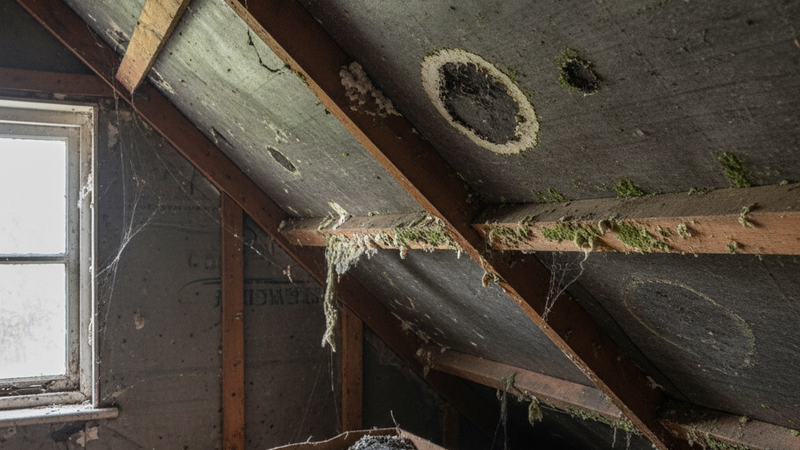
Mould in the attic is a common yet often overlooked problem in UK homes, posing significant risks to both property integrity and occupant health. This comprehensive guide, informed by industry best practices like IICRC S520, delves into the causes, dangers, professional remediation, and critical prevention strategies for mould growth in your attic space.
Understanding Attic Mould in the UK
Attics, lofts, and roof spaces are particularly susceptible to mould due to their inherent characteristics. These areas are often poorly ventilated, subject to significant temperature fluctuations, and can accumulate moisture from various sources within the home or from external leaks. Understanding the 'why' behind attic mould is the first step towards effective remediation and prevention.
Common Causes of Attic Mould
Mould requires three primary conditions to thrive: moisture, an organic food source (like wood, plasterboard, or dust), and suitable temperatures. In UK attics, moisture is almost always the limiting factor. Here are the main culprits:
- Poor Ventilation: Inadequate or blocked soffit and ridge vents trap warm, moist air, leading to condensation.
- Roof Leaks: Damaged tiles, flashing, or dilapidated seals allow rainwater to penetrate, directly wetting attic timbers and insulation.
- Plumbing Leaks: Leaking pipes, especially from bathrooms or water tanks housed in the attic, can create significant dampness.
- Bathroom/Kitchen Exhaust Vents: Improperly vented extractor fans that terminate into the attic space instead of outside, dumping moist, warm air directly into the loft.
- Lack of Insulation/Vapour Barriers: Insufficient insulation allows warm, moist air from the living space below to rise into a colder attic, condensing on surfaces.
- Damaged Guttering: Blocked or broken gutters can cause water to pool and seep into the roof structure.
Identifying Mould Growth in Your Attic
Mould can manifest in various colours – black, green, white, or grey – and often appears as fuzzy, slimy, or powdery patches. A musty, earthy odour is a tell-tale sign, even if the mould itself is not immediately visible. Common areas to inspect include roof timbers (rafters, joists), the underside of roof sheathing, insulation, and any stored items.
Important point
Always exercise caution when inspecting your attic. Ensure proper lighting, stable footing, and consider wearing an FFP2 or FFP3 respirator mask and gloves, especially if mould is suspected.
Health and Safety Concerns of Attic Mould
Mould is not merely an aesthetic problem; it poses genuine health risks, particularly for vulnerable individuals. Its spores can become airborne and circulate throughout the home, even if the mould growth is confined to the attic.
Impact on Human Health
Exposure to mould spores can trigger a range of health issues. The NHS provides guidance on the health effects of damp and mould, which include:
- Respiratory Problems: Wheezing, coughing, shortness of breath, and exacerbation of conditions like asthma.
- Allergic Reactions: Sneezing, runny nose, red eyes, skin rash.
- Irritation: Eye, nose, and throat irritation.
- Infections: For individuals with compromised immune systems, mould exposure can lead to more serious infections.
Children, the elderly, and those with pre-existing respiratory conditions are particularly susceptible. Prolonged exposure to certain types of mould can also lead to more chronic health complaints.
Structural Damage and Property Risks
Beyond health, mould actively degrades organic materials. In an attic, this means potential damage to:
- Roof Timbers: Weakening of rafters, joists, and roof decking due to fungal decay, compromising structural integrity.
- Insulation: Mould growth can significantly reduce the effectiveness of insulation, leading to higher energy bills and further condensation problems.
- Stored Items: Personal belongings stored in the attic can be ruined by mould, leading to financial loss.
- Indoor Air Quality: Mould in the attic can contribute to a pervasive musty odour throughout the entire house, signalling compromised indoor air quality.
UK Regulations and Standards for Mould Remediation
In the UK, addressing damp and mould is increasingly regulated, especially for landlords and property managers. Adhering to professional standards is crucial for effective and safe remediation.
IICRC S520: The Gold Standard
The Institute of Inspection, Cleaning and Restoration Certification (IICRC) S520 "Standard for Professional Mould Remediation" is the globally recognised guideline for mould removal. While not a statutory requirement in the UK, it represents the gold standard that professional remediation companies adhere to. Key principles include:
- Containment: Preventing the spread of mould spores to unaffected areas.
- Source Identification and Rectification: Crucially, finding and fixing the moisture source.
- Physical Removal: Mould must be physically removed, not just 'killed' or painted over.
- Personal Protective Equipment (PPE): Ensuring the safety of remediation technicians.
- Post-Remediation Verification: Ensuring the problem is fully resolved.
Housing Health and Safety Rating System (HHSRS) and Awaab's Law
For rented properties, the Housing Health and Safety Rating System (HHSRS) assesses potential hazards, with damp and mould often falling under Category 1 (most serious) or Category 2 hazards. Landlords have a legal obligation to ensure properties are safe and free from such hazards.
Awaab's Law, in force in England since 27 October 2025, further strengthens tenants' rights by setting strict timescales for social landlords to investigate and fix hazards like mould. While primarily for social housing, its principles underscore a growing expectation for all housing providers to address mould issues promptly and effectively.
Important point
The Health and Safety Executive (HSE) also provides guidance on managing mould in workplaces and other buildings, emphasising the importance of risk assessment and professional remediation where necessary.
Professional Mould Remediation Process
Addressing significant attic mould requires a systematic, professional approach to ensure complete removal and prevent recurrence. A professional remediation process adheres strictly to the IICRC S520 standard.
Assessment and Source Identification
The initial step involves a thorough inspection to determine the extent of the mould growth and, critically, to pinpoint all moisture sources. This may include using thermal imaging cameras, moisture meters, and visual inspection. We assess factors like ventilation, insulation levels, roof integrity, and proper venting of household appliances. Without addressing the moisture source, mould will inevitably return.
Containment and Air Filtration
To prevent cross-contamination, the affected attic area is professionally contained using impermeable barriers and negative air pressure. This ensures that mould spores disturbed during the remediation process do not escape into other areas of your home. High-Efficiency Particulate Air (HEPA) filtered air scrubbers are used to continuously clean the air within the contained space, capturing airborne spores.
Mould Removal and Structural Drying
Physical removal is paramount. Depending on the surface and severity, techniques may include:
- HEPA Vacuuming: For loose spores and surface growth.
- Abrasive Cleaning: Brushing, scrubbing, or sanding affected timbers.
- Antimicrobial Treatment: Application of professional-grade, HSE-approved biocides to surfaces after mechanical cleaning to inhibit residual growth.
- Removal of Contaminated Materials: Severely contaminated insulation, plasterboard, or wood that cannot be cleaned is safely bagged and removed.
After removal, the area is thoroughly dried using industrial dehumidifiers and air movers to bring moisture content down to safe levels, preventing future growth.
Prevention and Maintenance Strategies
Once remediation is complete, implementing effective prevention strategies is crucial to ensure your attic remains mould-free long-term.
Improving Attic Ventilation and Insulation
Proper ventilation is key to controlling moisture. This often involves:
- Ensuring Clear Soffit Vents: Checking that eaves are not blocked by insulation.
- Installing Ridge Vents: Allowing warm, moist air to escape at the highest point.
- Gable Vents: Where appropriate, to encourage cross-ventilation.
- Adequate Insulation: Ensuring your attic has sufficient, properly installed insulation and, where necessary, a vapour barrier to prevent warm, moist air from the living space migrating into the attic.
Regular Inspections and Moisture Source Management
Proactive maintenance can save you significant costs and headaches. Periodically inspect your attic, especially after heavy rain or storms. Look for:
- Water stains on timbers or insulation.
- Dripping sounds.
- Musty odours.
- Condensation on surfaces.
Ensure all exhaust fans (bathroom, kitchen, tumble dryer) vent directly outside and not into the attic. Regularly check and clean gutters to prevent blockages.
When to Call Professionals for Attic Mould
While small patches of mould might be tackleable by a homeowner, attic mould often requires professional intervention due to its location, potential severity, and health risks.
Signs it's Time for Expert Help
You should consider calling a professional mould remediation specialist if:
- The mould covers an area larger than 1 square metre (the widely used threshold above which professional help is advised).
- You suspect the mould is growing on structural timbers.
- There's a strong, persistent musty odour throughout your home.
- Anyone in the household is experiencing mould-related health symptoms.
- The source of moisture is complex (e.g., a difficult-to-locate roof leak or widespread condensation issues).
- You lack the proper safety equipment or expertise for safe removal.
Benefits of Professional Remediation
Engaging a certified mould remediation company ensures:
- Safe and Effective Removal: Adherence to industry standards prevents cross-contamination and ensures thorough eradication.
- Long-Term Solutions: Professionals identify and address the root cause, not just the visible mould.
- Health Protection: Minimises exposure risks for occupants and remediation workers.
- Peace of Mind: Knowing the problem is handled correctly and won't recur.
- Documentation: For insurance claims or property sales, professional reports can be invaluable.
If you suspect mould in your attic, don't delay. Early intervention can prevent extensive damage and health issues. For more information on costs, you can use our mould removal cost calculator or browse our blog for further advice.