Floor Mould: Causes, Risks & Remediation in the UK
Discover everything about floor mould in UK homes, including its health risks, professional remediation, and prevention strategies to protect your property.
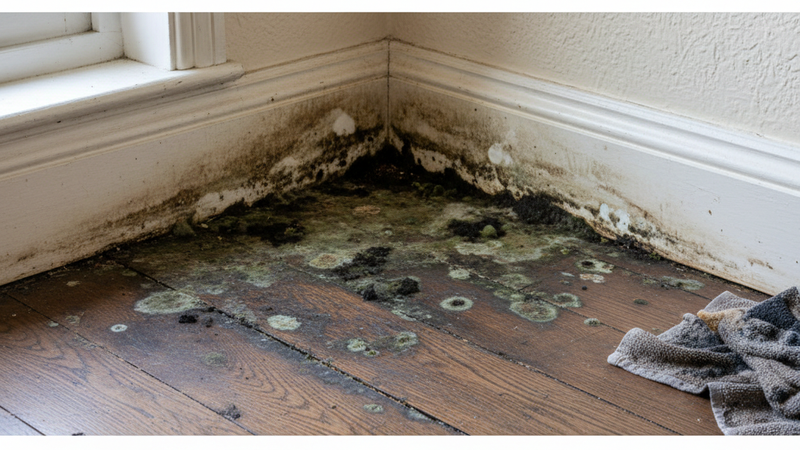
Floor mould is a pervasive and often hidden problem in UK properties, thriving in damp, poorly ventilated environments beneath carpets, laminate, or under floorboards. Beyond its unsightly appearance and musty odour, floor mould poses significant health risks and can cause structural damage if left unaddressed. Understanding its causes, identifying its presence, and implementing effective remediation strategies are crucial for maintaining a healthy and safe living or working space.
Understanding Floor Mould and Its Causes
Floor mould refers to any fungal growth that develops on or under flooring materials. This includes a variety of species, all requiring moisture, a food source (like wood, carpet fibres, or dust), and a suitable temperature range to proliferate. In the UK's often damp climate, floors are particularly susceptible.
Common Types of Floor Mould
While many types of mould can affect floors, some are more commonly encountered. Black mould (often Stachybotrys chartarum) is notorious for its potential toxicity, though many other species can appear black. Other common floor moulds include green, white, and grey varieties. Identification by a professional is often necessary, as visual appearance alone isn't a definitive indicator of species.
- Black Mould: Often linked to long-term water damage, can be slimy or powdery.
- Green Mould: Common on porous surfaces, often furry in appearance.
- White Mould: Can be mistaken for efflorescence (salt deposits), often powdery or fluffy.
Key Factors Contributing to Floor Mould Growth
Mould spores are ubiquitous, but they only germinate and grow in the presence of sufficient moisture. Understanding the sources of this moisture is vital for both prevention and remediation.
- Water Leaks: Plumbing leaks, roof leaks, or leaks from appliances (washing machines, dishwashers) that seep into flooring or subflooring.
- High Humidity: Persistent indoor humidity levels above 60% create an ideal breeding ground for mould, especially in poorly ventilated areas like bathrooms or basements.
- Condensation: Cold surfaces (e.g., concrete floors on a cold slab) meeting warm, moist indoor air can lead to condensation and subsequent mould growth.
- Flooding: Any incidence of flooding, even minor, if not dried properly and promptly, can lead to extensive mould growth under floors.
- Penetrating Damp: Water ingress through walls or foundations, often due to faulty guttering, drainage issues, or damaged brickwork.
- Rising Damp: Moisture drawn up through the ground into porous building materials via capillary action, a common issue in older UK properties without effective damp-proof courses.
Important point
Even if the surface of your floor appears dry, moisture can be trapped underneath materials like carpets, LVT or laminate, creating a hidden haven for mould growth. Regular inspection and addressing any dampness immediately are crucial.
Health and Safety Concerns of Floor Mould
Exposure to mould, especially chronic exposure, can have various adverse health effects. The UK health authorities, including the NHS and HSE, consistently highlight the risks associated with indoor mould.
Common Health Effects
Mould produces allergens, irritants, and sometimes mycotoxins, all of which can affect human health. The severity of symptoms often depends on the type of mould, the level of exposure, and an individual's sensitivity.
- Respiratory Issues: Coughing, wheezing, shortness of breath, asthma attacks (especially in individuals with pre-existing conditions).
- Allergic Reactions: Sneezing, runny nose, red eyes, skin rashes (dermatitis).
- Irritation: Eye, nose, throat, and skin irritation.
- Infections in vulnerable people: People who already have a weakened immune system are at higher risk of infections from mould exposure.
- Fatigue and Headaches: Non-specific symptoms reported by some individuals living in mouldy environments.
The UKHSA guidance on damp and mould provides further information on how damp and mould can affect your health.
Vulnerable Groups
Certain populations are more susceptible to mould-related health problems and may experience more severe symptoms.
- Infants and Young Children: Their developing respiratory and immune systems are more vulnerable.
- Elderly Individuals: Often have weaker immune systems or pre-existing respiratory conditions.
- Individuals with Asthma or Allergies: Mould can trigger and exacerbate symptoms.
- People with Compromised Immune Systems: Such as those undergoing chemotherapy, HIV/AIDS patients, or organ transplant recipients.
- Individuals with Chronic Obstructive Pulmonary Disease (COPD) or other lung diseases.
The Health and Safety Executive (HSE) also offers guidance on mould in workplaces, which includes valuable insights relevant to residential settings.
UK Regulations and Standards for Mould Remediation
In the UK, addressing mould in residential and commercial properties falls under several regulations and guidelines, aiming to ensure safe living conditions and effective remediation practices.
IICRC S520 and UK Best Practices
The IICRC S520 Standard and Reference Guide for Professional Mould Remediation is the international benchmark for mould remediation practices. While not a statutory requirement in the UK, it represents the industry's best practice, offering comprehensive guidance for professionals. Professional remediation processes strictly adhere to these principles.
- Containment: Preventing the spread of mould spores to unaffected areas.
- Air Filtration: Using HEPA filters to capture airborne spores.
- Source Identification and Rectification: Crucially, finding and fixing the moisture source.
- Removal of Contaminated Materials: Safe and thorough disposal of mould-affected materials.
- Cleaning and Disinfection: Using appropriate biocides and cleaning agents.
- Post-Remediation Verification: Ensuring mould has been effectively removed and the environment is safe.
For more detailed information, consult the IICRC website.
Housing Health and Safety Rating System (HHSRS) & Awaab's Law
The Housing Health and Safety Rating System (HHSRS) is used by local authorities in England and Wales to assess hazards and risks in residential properties, including those posed by damp and mould. Significant mould growth is classified as a Category 1 hazard, requiring landlords to take action.
Furthermore, the introduction of Awaab's Law (part of the Social Housing (Regulation) Act 2023) has, since 27 October 2025, imposed strict deadlines on social landlords for investigating and addressing hazards like damp and mould. While primarily for social housing, its principles underscore a broader shift towards greater accountability for healthy living conditions across all tenures in the UK.
Professional Floor Mould Remediation Process
Effective floor mould remediation requires a structured, professional approach that adheres to industry standards to ensure complete removal and prevent recurrence.
Assessment and Containment
The process begins with a thorough assessment to determine the extent of mould growth, identify the moisture source, and evaluate the types of materials affected. This may involve moisture mapping, air sampling, and visual inspections.
- Initial Inspection: Locating all mould affected areas, including hidden ones.
- Moisture Source Identification: Pinpointing and rectifying the root cause of dampness.
- Containment Setup: Establishing physical barriers (e.g., poly-sheeting with zippers) and negative air pressure to prevent spores from spreading throughout the property.
Removal and Cleaning
This phase involves the physical removal of mould and cleaning of contaminated surfaces, always undertaken with appropriate Personal Protective Equipment (PPE).
- Removal of Building Materials: Non-salvageable materials like mouldy carpet, underlay, plasterboard, or severely affected floorboards are carefully bagged and removed.
- HEPA Vacuuming: All affected surfaces are HEPA vacuumed to remove loose spores and debris.
- Biocide Application & Scrubbing: Appropriate, safe biocides are applied and surfaces are scrubbed to eliminate residual mould.
- Air Scrubbing: Use of air scrubbers with HEPA filters to continuously clean the air during and after remediation.
Drying, Prevention, and Post-Remediation Verification
Once mould is removed, the focus shifts to ensuring the area is dry, preventing future growth, and verifying the success of the remediation.
- Drying: Industrial dehumidifiers and air movers are used to thoroughly dry the affected areas to prevent recurrence.
- Application of Preventative Coatings: Anti-mould coatings may be applied to vulnerable surfaces.
- Post-Remediation Verification (PRV): A final inspection, which may include visual assessment, moisture readings, and air sampling, is conducted to confirm the area is free of mould and safe for reoccupation.
You can learn more about the remediation process by exploring our blog or getting a quick estimate using our cost calculator.
Prevention and Maintenance for Mould-Free Floors
Preventing floor mould is always more cost-effective and healthier than dealing with its remediation. Proactive measures are key to keeping your property mould-free.
Moisture Control Strategies
The cardinal rule of mould prevention is moisture control. Eliminating sources of dampness is the most critical step.
- Fix Leaks Promptly: Regularly inspect plumbing, roofs, and appliance connections. Address any leaks, however small, immediately.
- Manage Humidity: Use extractor fans in bathrooms and kitchens. Consider a dehumidifier in naturally damp areas like basements or during very humid periods. Aim for indoor humidity between 30-50%.
- Improve Ventilation: Ensure adequate airflow throughout your home. Open windows, use trickle vents, and avoid blocking air bricks or vents.
- Insulate Pipes and Cold Surfaces: This helps prevent condensation buildup.
- Address Rising and Penetrating Damp: Ensure your property has an effective damp-proof course and that external render, pointing, and guttering are in good repair.
Floor-Specific Maintenance Tips
Specific attention to your flooring can help prevent mould from taking hold.
- Promptly Dry Spills: Accidents happen, but ensure any liquid spilled on your floor is cleaned up and dried thoroughly, especially on carpeted areas.
- Avoid Over-Wetting During Cleaning: When cleaning hard floors, use as little water as possible and ensure they dry quickly.
- Use Mats at Entrances: To reduce the amount of moisture and dirt tracked indoors.
- Regular Cleaning: Vacuum carpets regularly and clean hard floors to remove organic matter (skin cells, dust) that mould feeds on.
- Consider Flooring Choices: In areas prone to dampness (e.g., basements, utility rooms), opt for mould-resistant materials like ceramic tiles or vinyl, rather than carpet.
When to Call Professional Mould Remediation Specialists
While small, superficial mould patches might be manageable with DIY cleaning, floor mould often indicates a deeper issue and typically requires professional intervention, especially in a UK climate.
Signs Indicating Professional Help is Needed
Several indicators suggest that your floor mould problem is beyond simple home remedies and demands expert attention:
- Extensive Growth: If the mould covers an area larger than one square metre, or if it has returned after previous cleaning attempts.
- Hidden Mould: If you suspect mould under carpets, laminate, or behind walls due to a persistent musty smell or allergies, but can't see it (this often indicates a significant problem).
- Structural Damage: If mould has penetrated porous materials like floorboards, wooden joists, or subflooring, indicating potential structural compromise.
- Health Concerns: If occupants are experiencing unexplained health issues like persistent respiratory symptoms, allergies, or chronic fatigue.
- Recurrent Mould: If mould keeps returning despite your best efforts to clean it.
- After Water Damage: Following a flood, burst pipe, or significant leak, even seemingly small areas of water ingress can lead to widespread hidden mould.
Benefits of Professional Mould Remediation
Hiring certified mould remediation specialists offers numerous advantages over attempting to tackle a significant problem yourself:
- Thorough Contaminant Removal: Professionals are equipped to safely remove mould without spreading spores further.
- Source Identification and Rectification: We go beyond surface cleaning to identify and address the root cause of moisture, preventing recurrence.
- Prevent Secondary Damage: Proper containment and drying techniques protect unaffected areas of your property.
- Access to Specialised Equipment: Including moisture meters, HEPA vacuums, air scrubbers, professional-grade biocides, and drying equipment.
- Health and Safety: Professionals use appropriate PPE and safety protocols, protecting both themselves and the occupants from mould exposure during remediation.
- Certification and Peace of Mind: Reputable firms adhere to IICRC S520 guidelines, providing assurance that the job is done correctly and safely, often backed by guarantees.
Important point
Attempting to remove extensive mould without proper training or equipment can inadvertently worsen the problem by releasing millions of spores into the air, contaminating other areas of your home and increasing health risks.
Addressing floor mould promptly and thoroughly is essential for the health of your home and its occupants. By understanding its causes, recognising the risks, and knowing when to call in the experts, you can ensure a safe and healthy environment.